

Worried about unexpected vet bills?
Pet insurance can cover thousands in unexpected vet costs. Get a free quote from Lemonade in under 2 minutes.
Get My Free Quote →Sponsored · Opens Lemonade.com
#1. Pit Bull Terrier
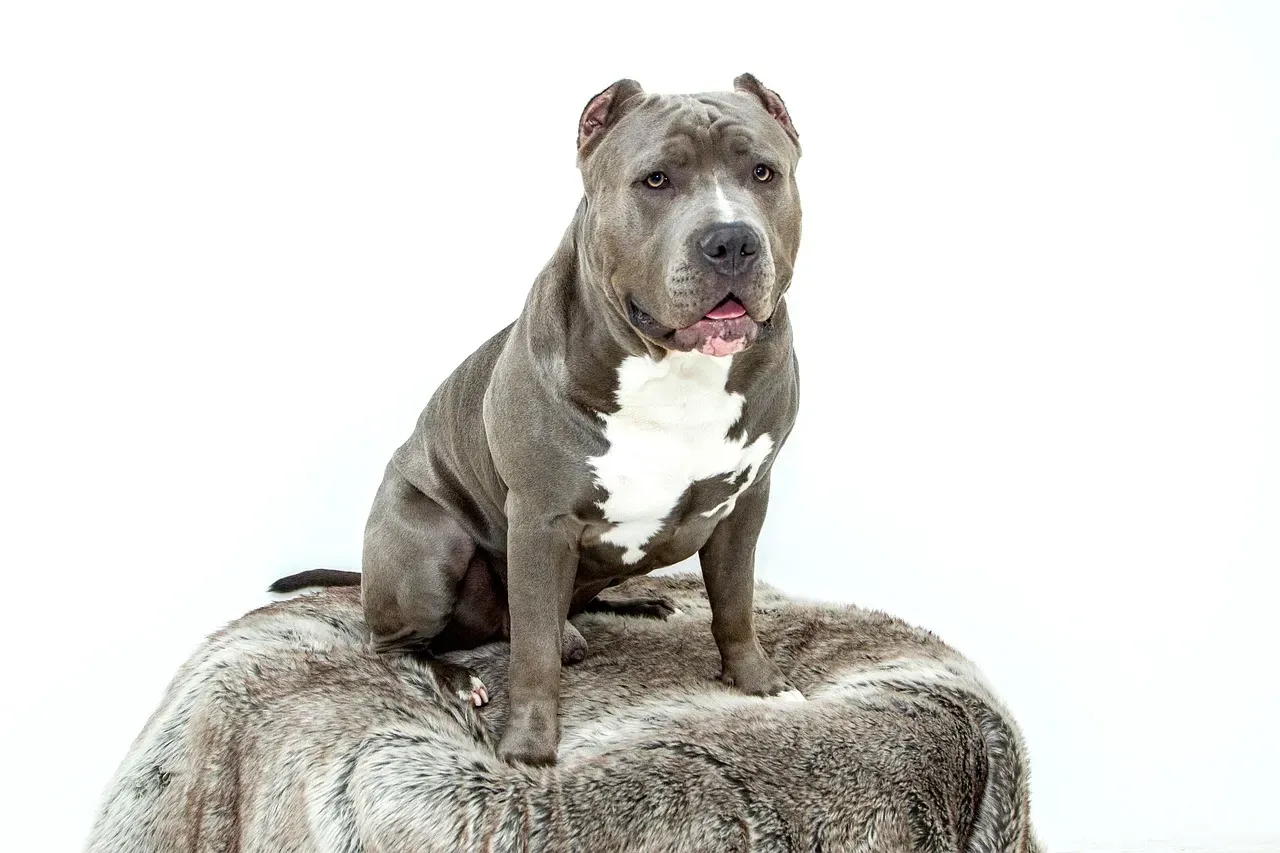
Pit Bull Terriers account for nearly a quarter of all dogs listed in shelters and rescues, making them the single most common breed in need of new homes across America’s largest cities. They are the most frequently found shelter breed in 29 of the 50 largest U.S. cities. That number alone tells a story, but the depth of it goes beyond simple overpopulation.
Breed-specific legislation, housing restrictions, and negative stereotypes often work against Pit Bulls, making it harder for families to adopt them. Many are snuggly couch companions who thrive with structure, enrichment, and clear routines – a reality that rarely survives the trip from kennel sign to public perception. Pit Bull Terriers face the harshest stereotypes, overshadowing countless affectionate dogs waiting patiently in shelters, many of whom are people-focused snugglers who thrive with positive training and consistent routines.
#2. Rottweiler
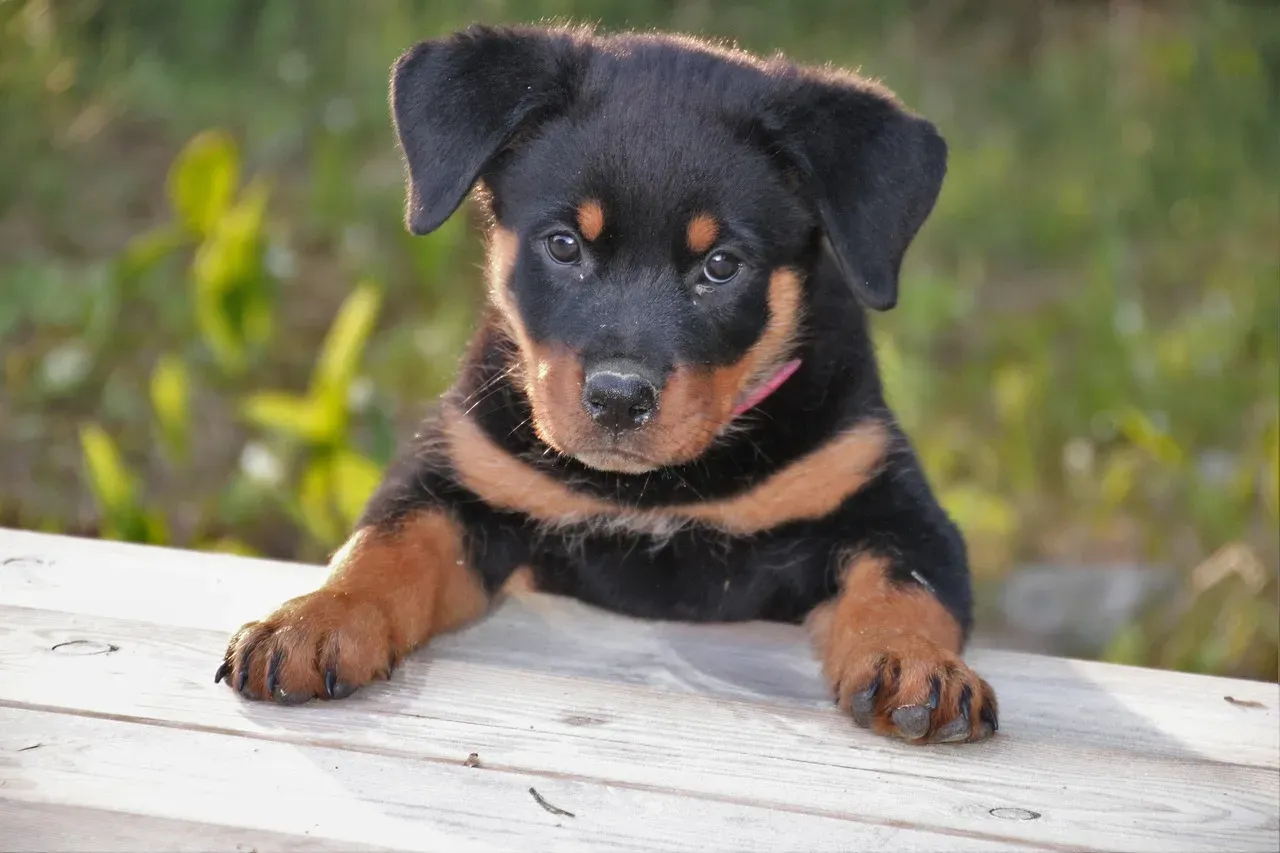
Rottweilers often get labeled as aggressive, but that does not reflect the many sweet, stable dogs quietly waiting in shelters. With structure, training, and daily exercise, they become devoted family companions who thrive on clear guidance. The label precedes the dog, and most potential adopters never get close enough to find out how wrong it is.
Famous as gentle giants, Rottweilers can sometimes be a challenge for new dog owners as they weigh more than 120 pounds and require early socialization and training. That perceived difficulty sends many people walking past. Yet they are thoughtful, goofy, and eager to work with you – what they truly need is consistency and patience, not fear.
#3. Doberman Pinscher
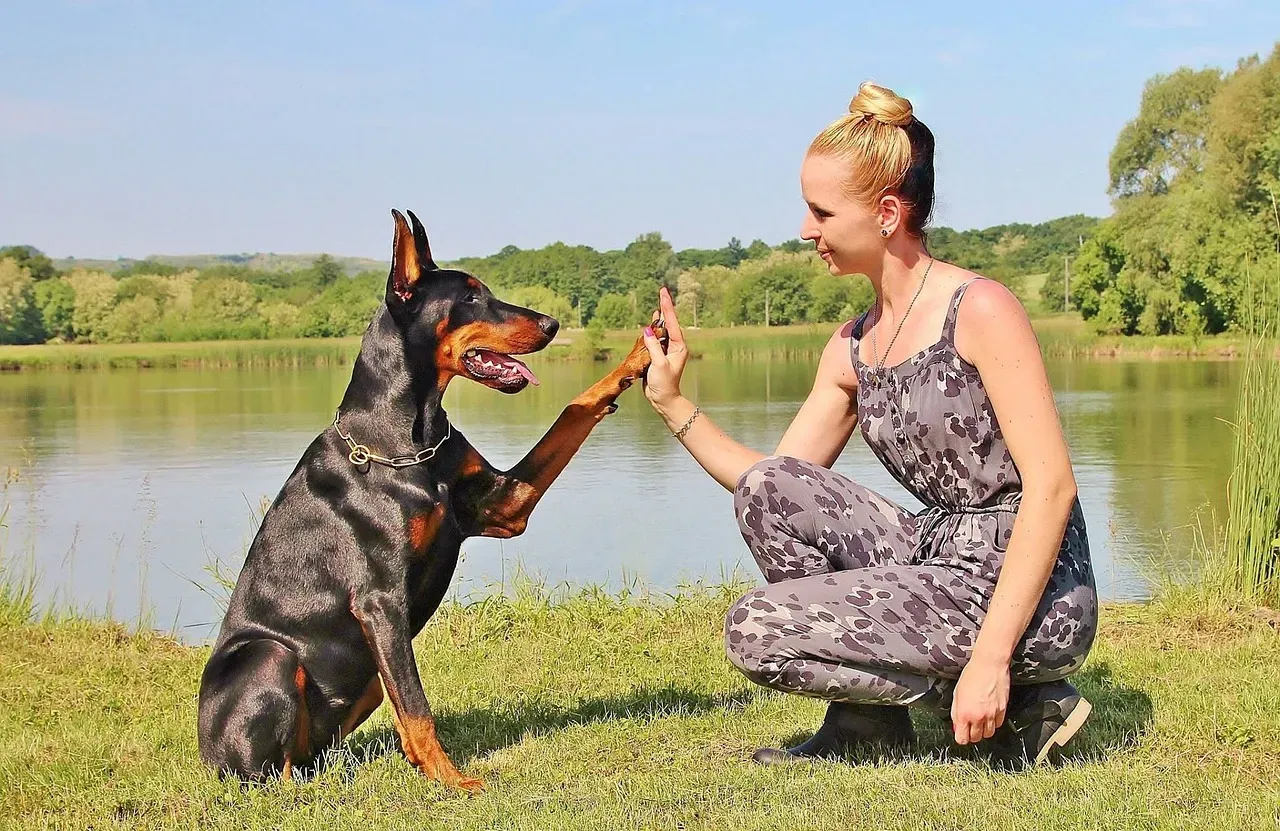
Dobermans carry a tough reputation that scares off adopters, yet most shelter Dobermans want nothing more than human connection. They are sensitive, intelligent, and incredibly loyal when given calm leadership. The sleek silhouette and upright posture read as menacing on a shelter listing photo, which works heavily against them from the first scroll.
Owning a Doberman is a commitment that goes beyond admiration for their looks or protective abilities, as both this breed requires structure, consistency, and early socialization to reach their full potential. The Doberman is an independent dog breed, which can make it difficult to follow commands without experienced trainers. That reputation for being “hard to handle” sticks even when the individual dog in the kennel is perfectly calm and eager to please.
#4. Chow Chow
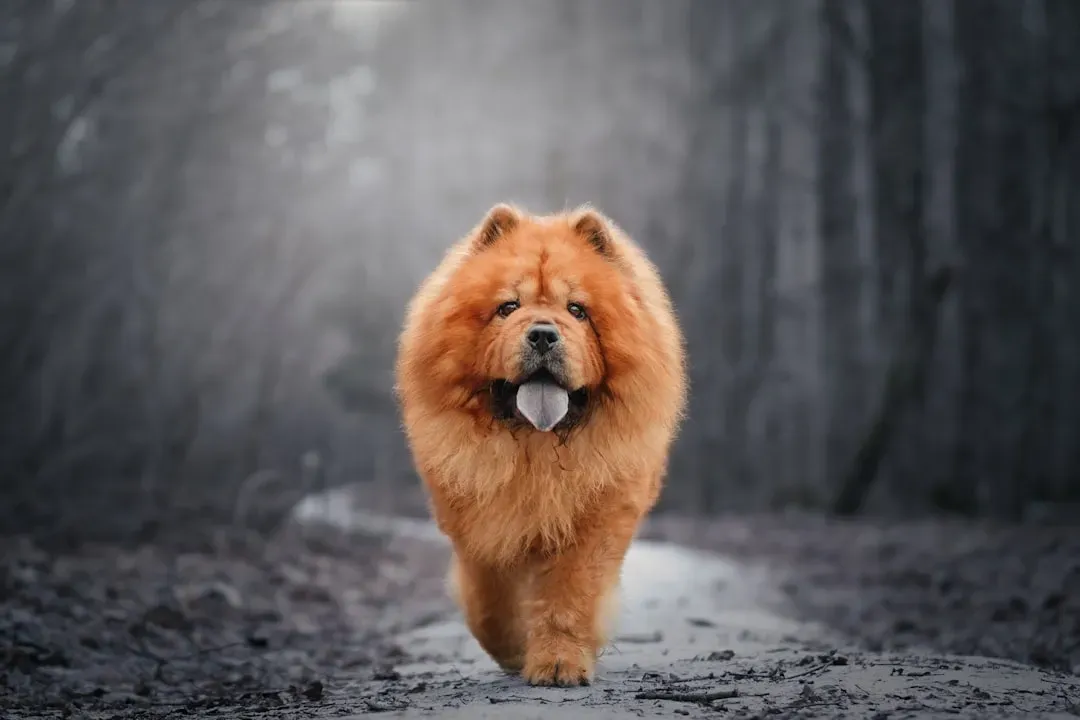
Chow Chow may sound like a cute name and the appearance is also very similar to a teddy bear, but the breed is notably less social, stubborn, and can be quite guarded. This combination of traits confuses many first-time adopters who expect a fluffy, easygoing companion and are surprised by the Chow’s reserved, watchful personality.
Shar Pei dogs – a close relative in temperament – often get stereotyped as stubborn or difficult, which keeps adopters from discovering their quirky charm. Many are thoughtful observers who warm up with respectful handling and positive training, and once comfortable, they become affectionate companions. The Chow Chow follows a very similar pattern. Shelters frequently note that Chow Chows take longer to show their personalities in kennel settings, which means the window of opportunity with a passing visitor is painfully short.
#5. Siberian Husky
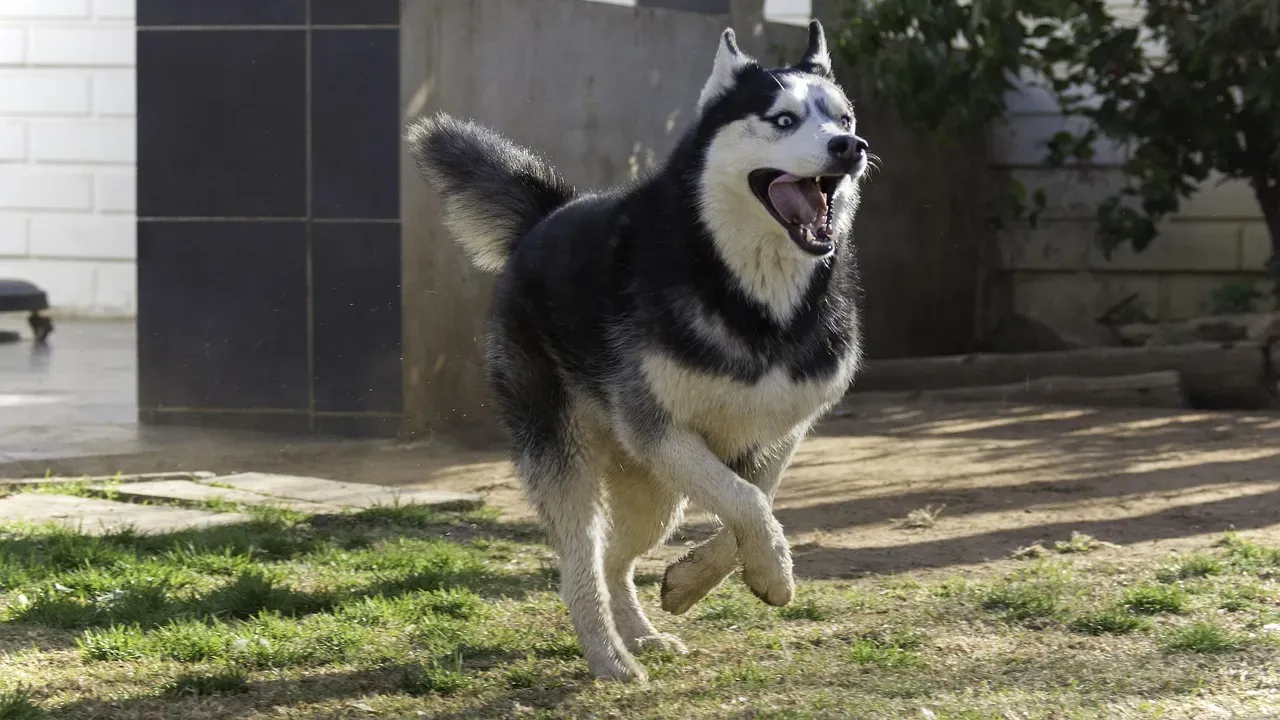
Siberian Huskies show up often in shelters in warmer cities like Los Angeles and Orlando. Their need for constant exercise and thick double coats can make them challenging for first-time dog owners in warmer climates. The breed’s popularity on social media has actually contributed to the problem – people fall in love with the look, adopt impulsively, then discover the reality of a high-drive working dog in a small apartment.
The issue of dogs ending up in shelters is complex, influenced by overbreeding, owner surrender, and changing life circumstances. While all breeds can find themselves in shelters, some are more commonly seen due to their popularity, specific breed traits, or misconceptions about their behavior. Huskies are a textbook example of this cycle. They arrive at shelters looking stunning, but many adopters are unprepared for the howling, the escape artistry, and the sheer relentlessness of their energy.
#6. German Shepherd
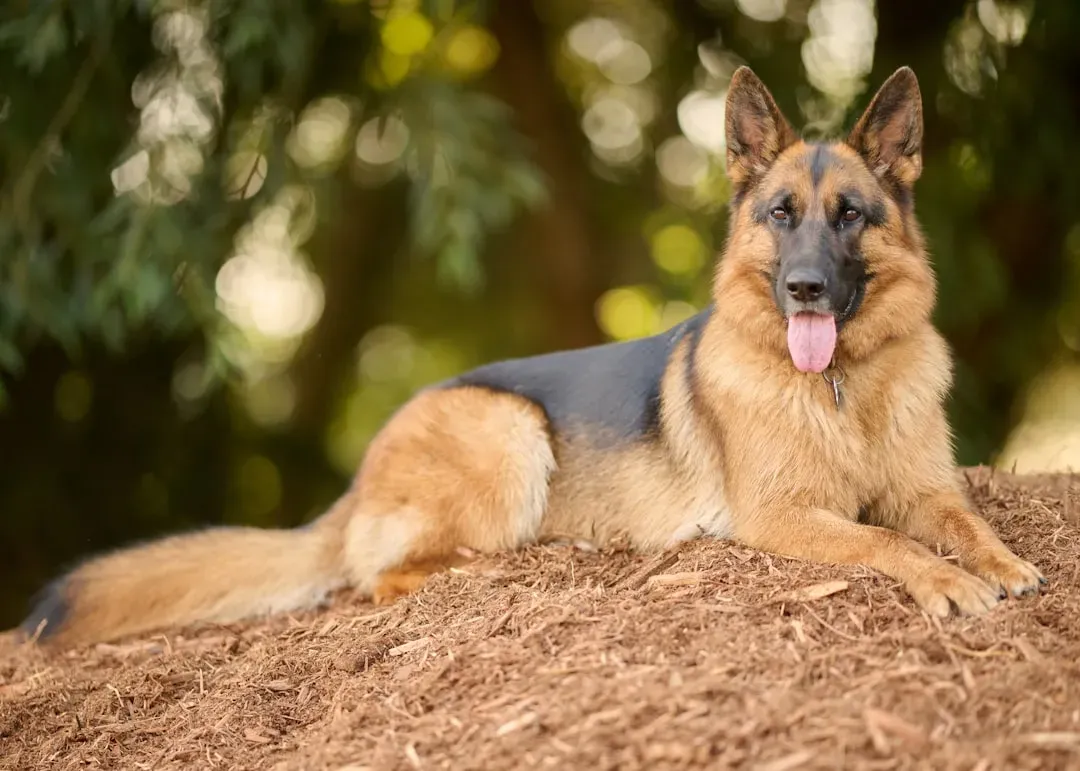
German Shepherds take the second-most-common spot in U.S. shelters, making up more than one in ten shelter listings. They are the most common shelter breed in several major cities including Los Angeles, Sacramento, San Diego, and Seattle. Given how universally loved and admired the breed is, those numbers feel almost impossible to reconcile.
The contradiction here is real and documented. Dogs with a “perfect” appearance, including breeds like German Shepherds, are featured regularly in media, which can lead people to believe these breeds always make the best pets. Yet high demand from breeders means high rates of surrender when reality sets in. German Shepherds are loyal and protective, but they also need significant daily mental and physical engagement that many owners underestimate until it’s too late.
#7. Chihuahua
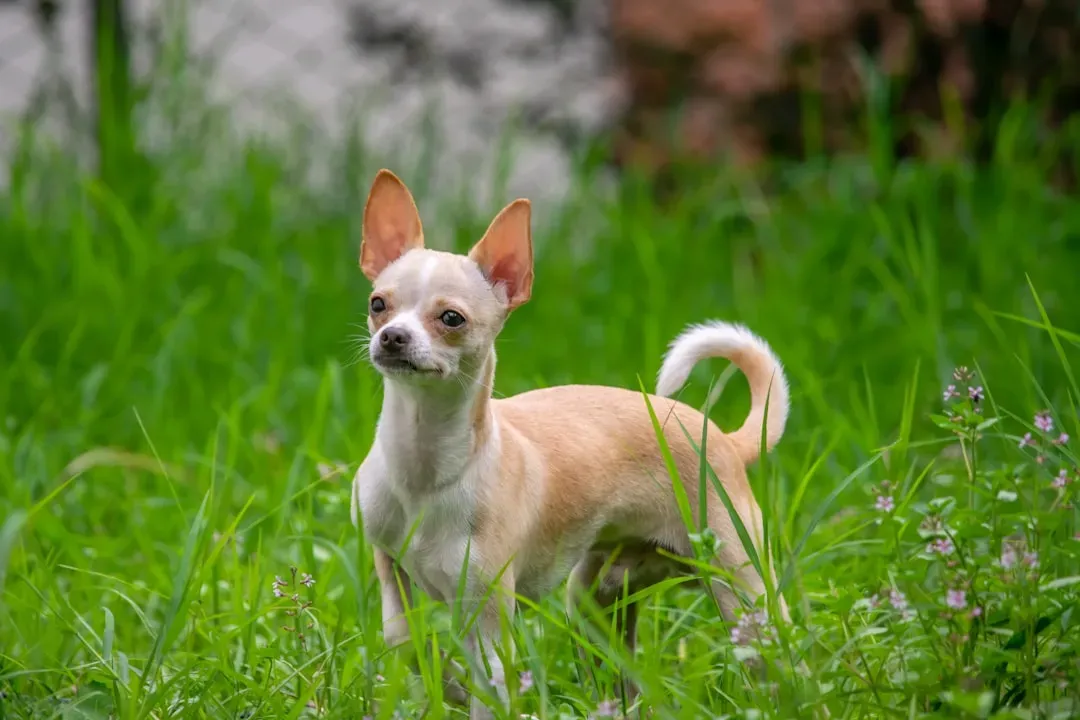
Chihuahuas are small dogs with big personalities, often seen in shelters due to overbreeding and high energy levels. While they can make excellent companions, they are known for being vocal and sometimes guarded, especially if not properly socialized. Their small size can also lead to misunderstandings about their care needs, resulting in behavioral problems.
Chihuahuas face overpopulation in shelters, partly due to their small size making them a popular yet sometimes impulsive choice for first-time dog owners. When untrained, they can exhibit feisty behavior, leading to surrender. However, Chihuahuas are fiercely loyal, easy to manage due to their size, and bond closely with their owners. Shelters in cities like New Orleans and Salt Lake City see Chihuahuas dominate their intake numbers, yet the adoption rate doesn’t keep pace – a genuinely puzzling gap for a breed that is ultimately so adaptable.
#8. Boxer
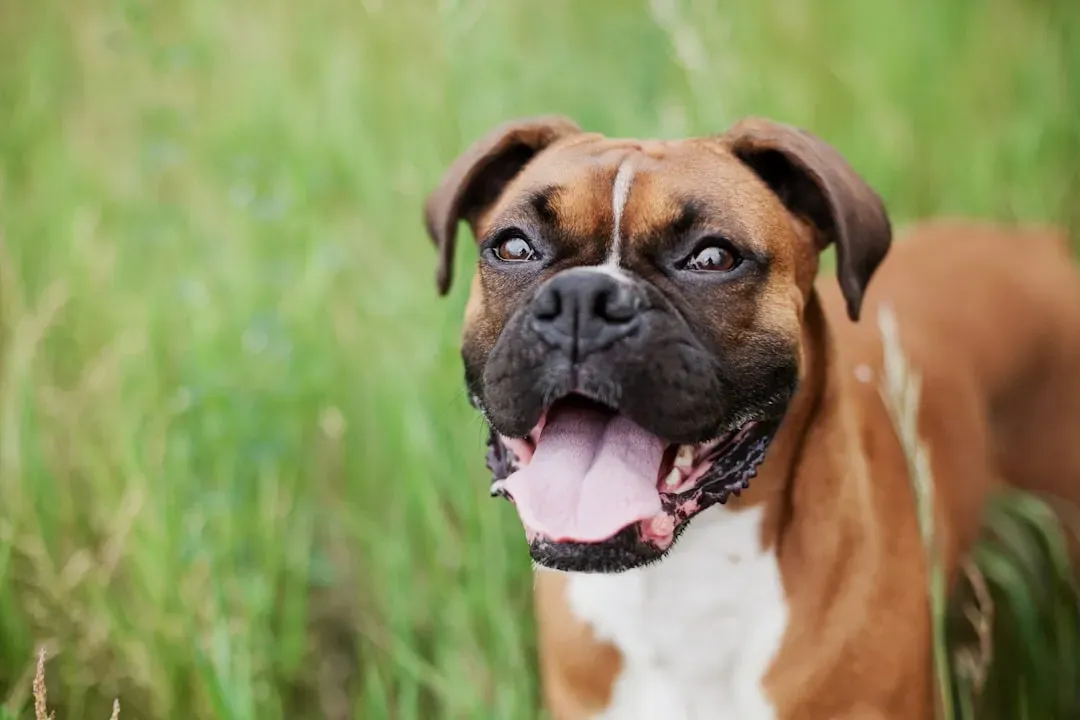
Boxers are energetic, playful dogs known for their boundless enthusiasm and love for family. Despite their endearing qualities, they are often found in shelters due to their high energy levels and need for consistent training and socialization. Boxers are strong and can be boisterous, which can be overwhelming for inexperienced owners.
They also have a strong protective instinct, which can lead to behavioral issues if not properly managed, and these factors contribute to the number of Boxers in shelters. What makes the Boxer’s shelter situation particularly baffling is that experienced owners consistently rave about the breed’s affectionate, clown-like personality. The problem is largely about the gap between expectation and lived experience, something that training and honest pre-adoption conversations could realistically close.
#9. Cane Corso
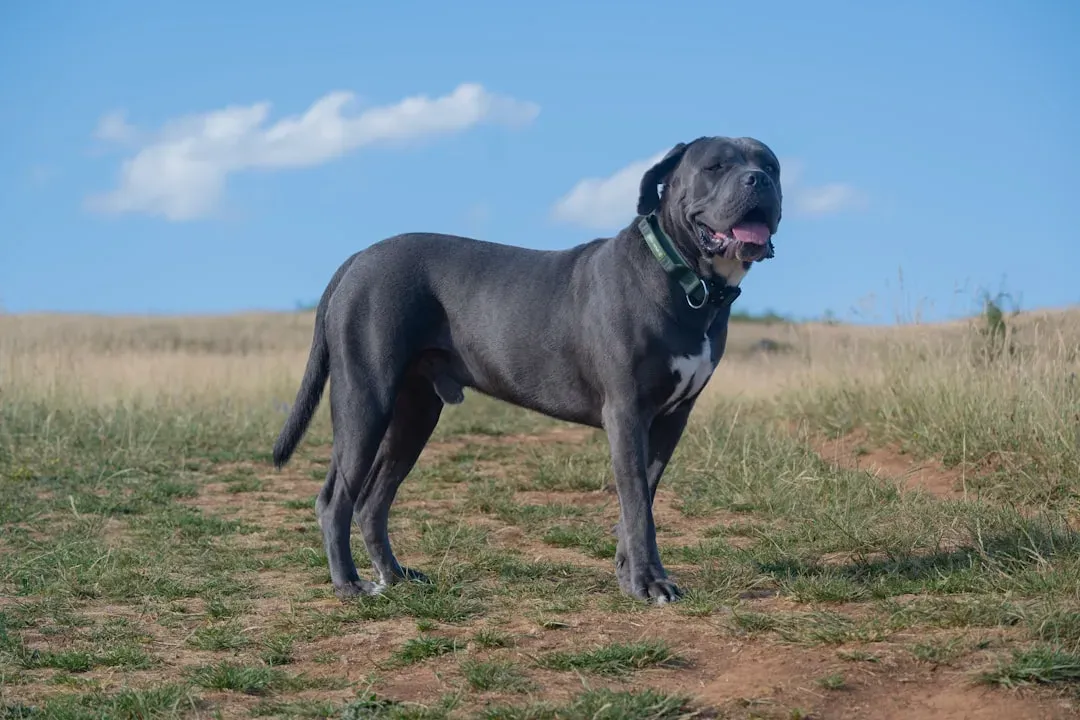
The Cane Corso looks imposing, which makes some people walk past without learning who they really are. Underneath the serious face lives a thoughtful, people-focused dog that appreciates structure and predictability. Their sheer size – often exceeding 100 pounds – combined with a broad, muscular frame means that most shelter visitors don’t linger long enough to see the calm dog underneath.
The Cane Corso is a massive dog that can be difficult for inexperienced owners. They can blend well with their family but can be guarded towards outsiders, which is why they require strict and proper training from an early stage. Shelters are often candid about the fact that placing a Cane Corso takes significantly longer than most large breeds – not because the dogs are problematic, but because the right match requires a genuinely experienced owner, and those are harder to find.
#10. Beagle
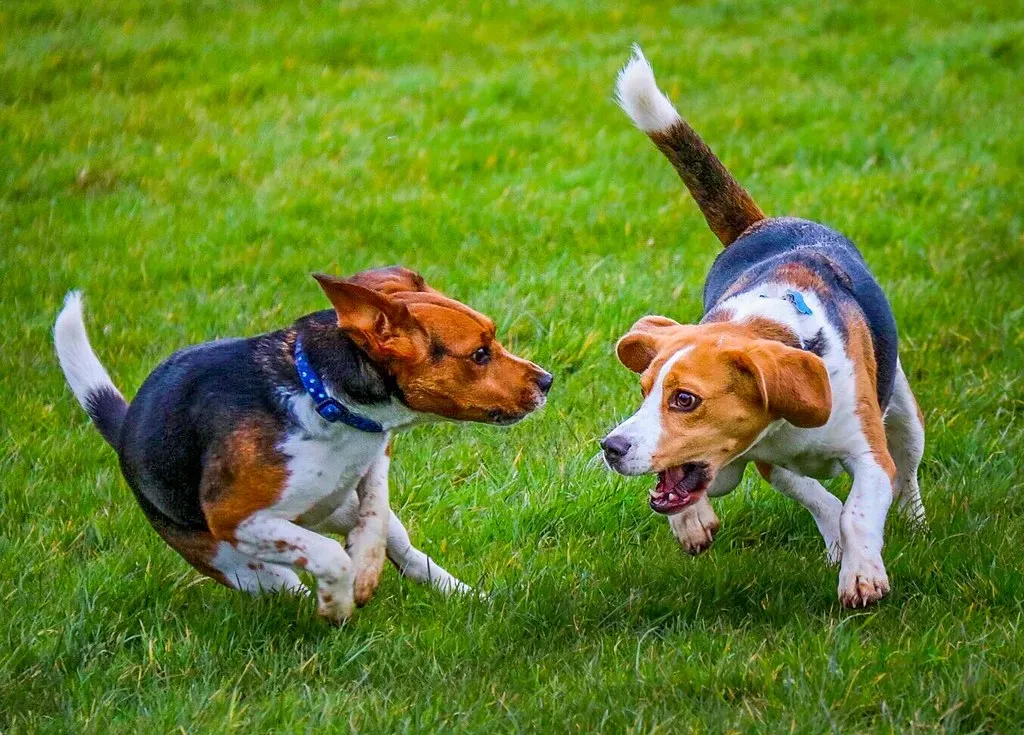
Beagles are friendly and curious dogs known for their excellent sense of smell and energetic nature. Despite their charm, Beagles are commonly found in shelters due to their high energy levels and tendency to follow their noses, often leading to escape attempts. Beagles require a lot of exercise and mental stimulation, which can be challenging for some owners to provide.
Hounds, including breeds like Beagles, are often left behind due to their high energy levels, strong prey drives, and tendency to howl. These traits stem from their history as hunting dogs, where stamina and vocal communication were prized. Despite these quirks, hounds are highly loyal, intelligent, and make great companions for active owners. The howling is probably the biggest culprit in shelter situations – it’s hard to overlook in a quiet kennel visit, and it sticks in people’s minds long after the dog’s sweet face has faded.
#11. Dachshund
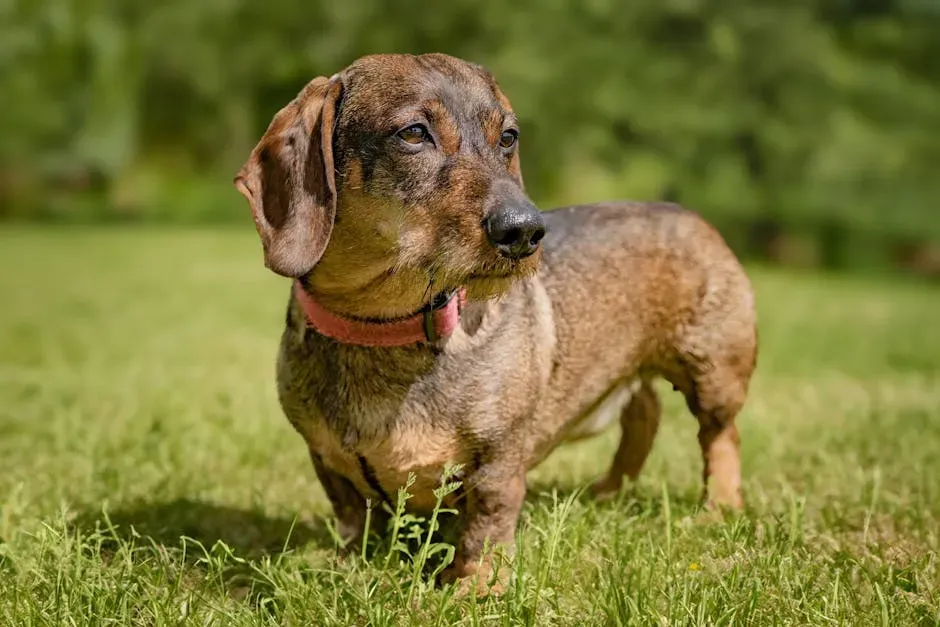
With their long bodies and short legs, Dachshunds are charming but often misunderstood. They are frequently found in shelters due to health issues related to their unique build, such as back problems, and behavioral challenges like stubbornness and a strong prey drive. Dachshunds can also be prone to separation anxiety and may not always get along well with young children.
The health angle is a genuine concern for shelter workers. Potential adopters who research the breed quickly encounter terms like intervertebral disc disease, and some walk away before they’ve even met the dog. That’s a shame, because many shelter Dachshunds are perfectly healthy adults. Adopting an older dog rather than a puppy can save a lot of time and money when it comes to behavioral training, and older dogs are also much more likely to be housetrained.
#12. Bulldog (American)
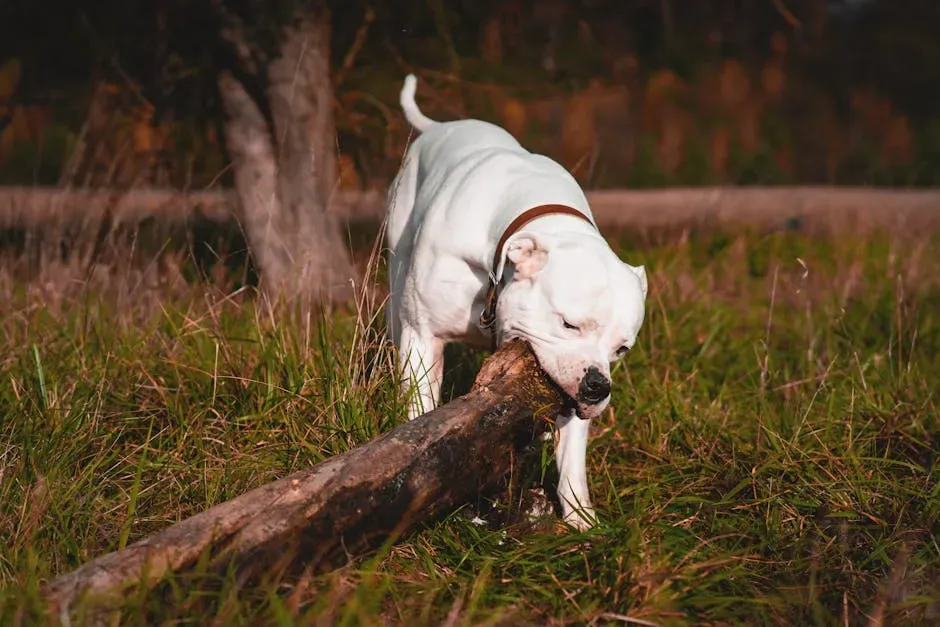
Bulldogs, especially American Bulldogs, are often misjudged as aggressive or unhealthy due to their muscular build and common health challenges. This reputation causes them to linger in shelters. However, Bulldogs are affectionate, gentle, and wonderful with children, thriving in a calm, loving home.
In Miami, shelters most often house American Bulldogs – big-hearted, sun-loving dogs that do best with attentive, experienced owners. The breed’s breathing and joint health concerns are real and worth researching, but they don’t define every individual dog. What’s especially confusing to shelter staff is that families often overlook a perfectly healthy Bulldog in favor of a breed with similar care demands simply because the name carries less baggage.
#13. Shar Pei
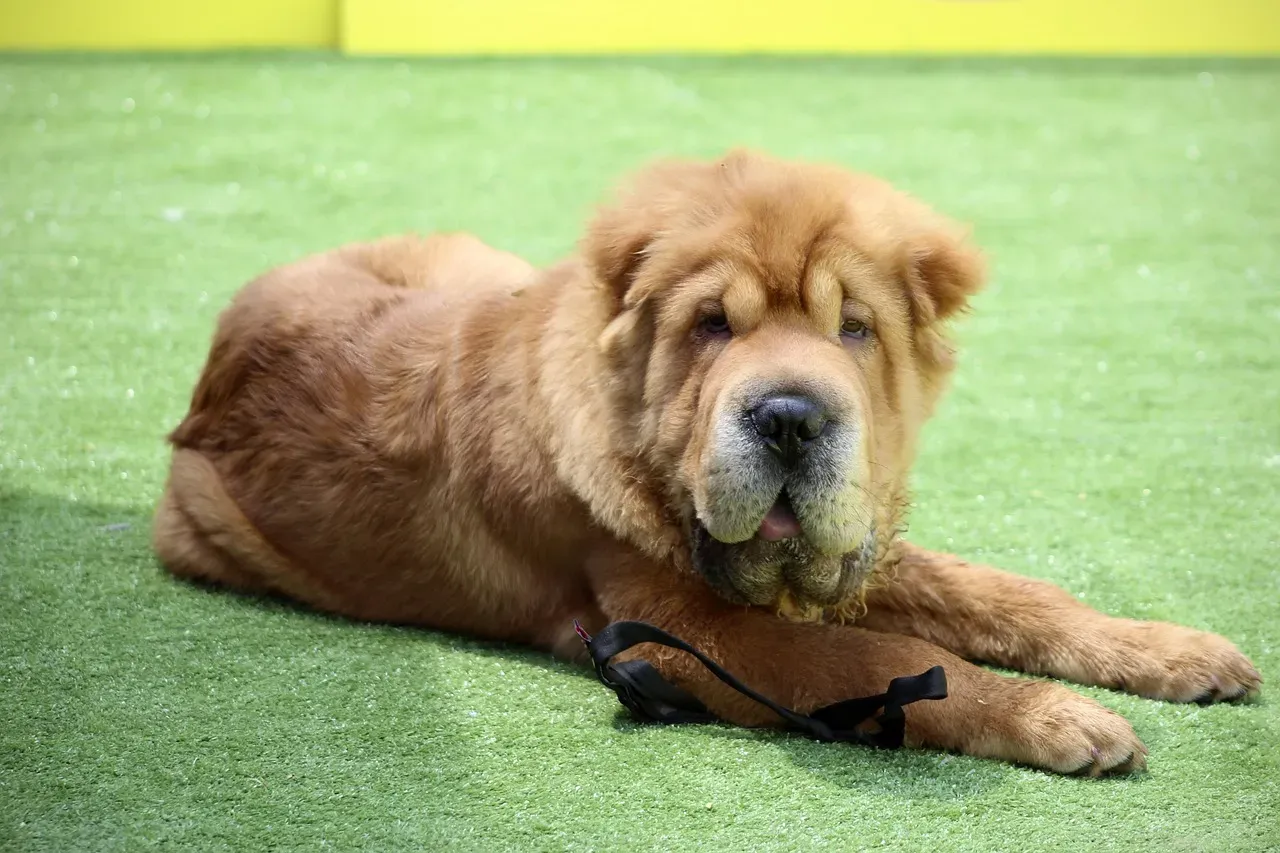
Shar Pei dogs often get stereotyped as stubborn or difficult, which keeps adopters from discovering their quirky charm. Many are thoughtful observers who warm up with respectful handling and positive training. The wrinkles that make them visually distinctive also come with some real skin and ear health needs, which can read as an expensive commitment before the relationship has even started.
If a Shar Pei is older, has any issues such as being overweight or having behavior concerns, their wait for a home can stretch from six months to a full year. That’s a long time in a kennel for a breed that, as one rescue puts it, loves unconditionally and is among the most emotional of animals. The disconnect between who these dogs truly are and how long they wait is one of the shelter world’s quiet heartbreaks.
#14. Cocker Spaniel
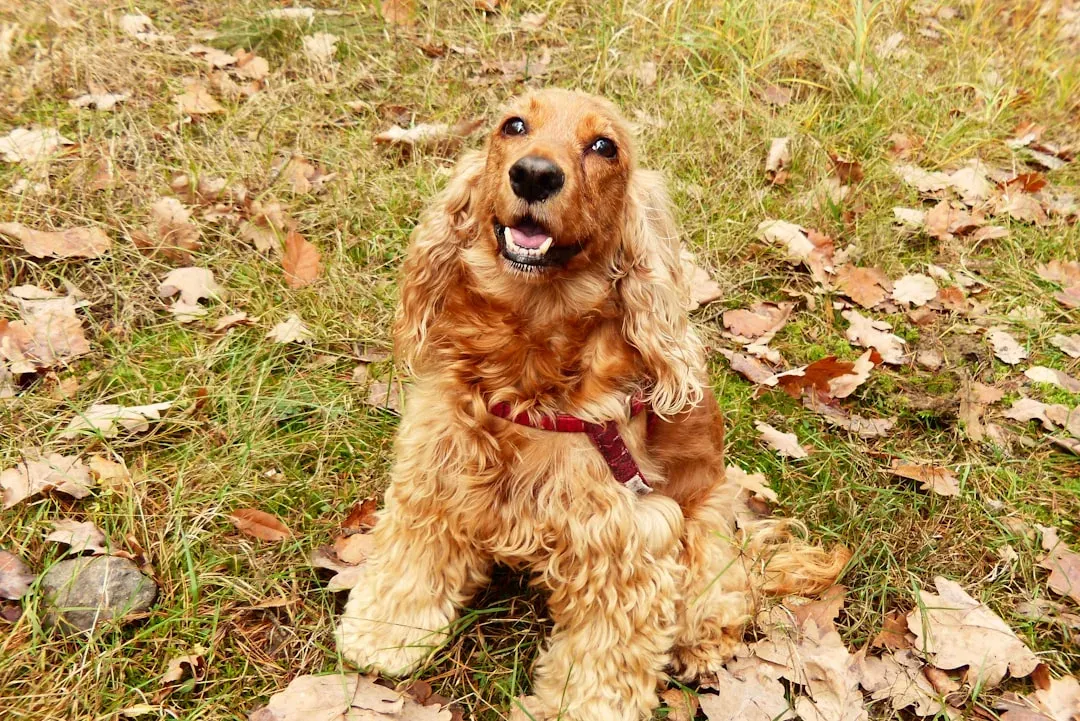
Cocker Spaniels are affectionate and playful dogs known for their beautiful coats and friendly disposition. Despite their popularity as family pets, they are often found in shelters due to grooming needs, health issues, and behavioral challenges. It might seem strange that a breed this universally liked ends up waiting in kennels, but the grooming reality is more demanding than the breed’s cheerful reputation suggests.
Regular professional grooming for a Cocker Spaniel is not optional – it’s a recurring cost and commitment that some owners don’t factor in at the time of adoption. When the coat becomes unmanageable or ear infections recur, the dog often ends up surrendered. About three quarters of cases in which pets are surrendered by their owners are related to human issues and only a small fraction are attributed to the personality of the pets themselves. Cocker Spaniels are a quiet testament to that statistic.
#15. Greyhound
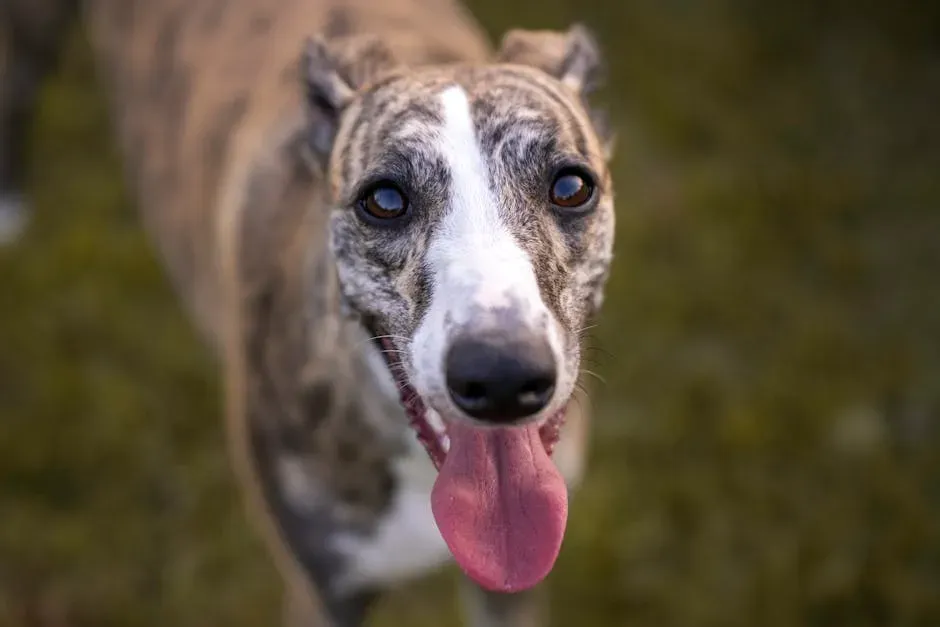
In Cleveland and Tampa, Greyhounds are among the most common shelter breeds, perhaps tied to adoption pipelines from the racing world. Former racing Greyhounds arrive at shelters in significant numbers, and despite several well-established adoption organizations, the intake consistently outpaces placement. People see a tall, lean, fast-looking dog and assume it will require constant running – which is, interestingly, not entirely accurate.
Greyhounds are famously calm and low-energy indoors, often described by their owners as “45 mph couch potatoes.” The mismatch between their physical appearance and their actual temperament is one of the more surprising disconnects in shelter adoption patterns. Giving a less popular dog breed a chance can bring about surprising results – that shy pup hiding at the back of the kennel may warm up immediately once in a quiet home, away from the loud, chaotic shelter environment.
#16. Australian Shepherd
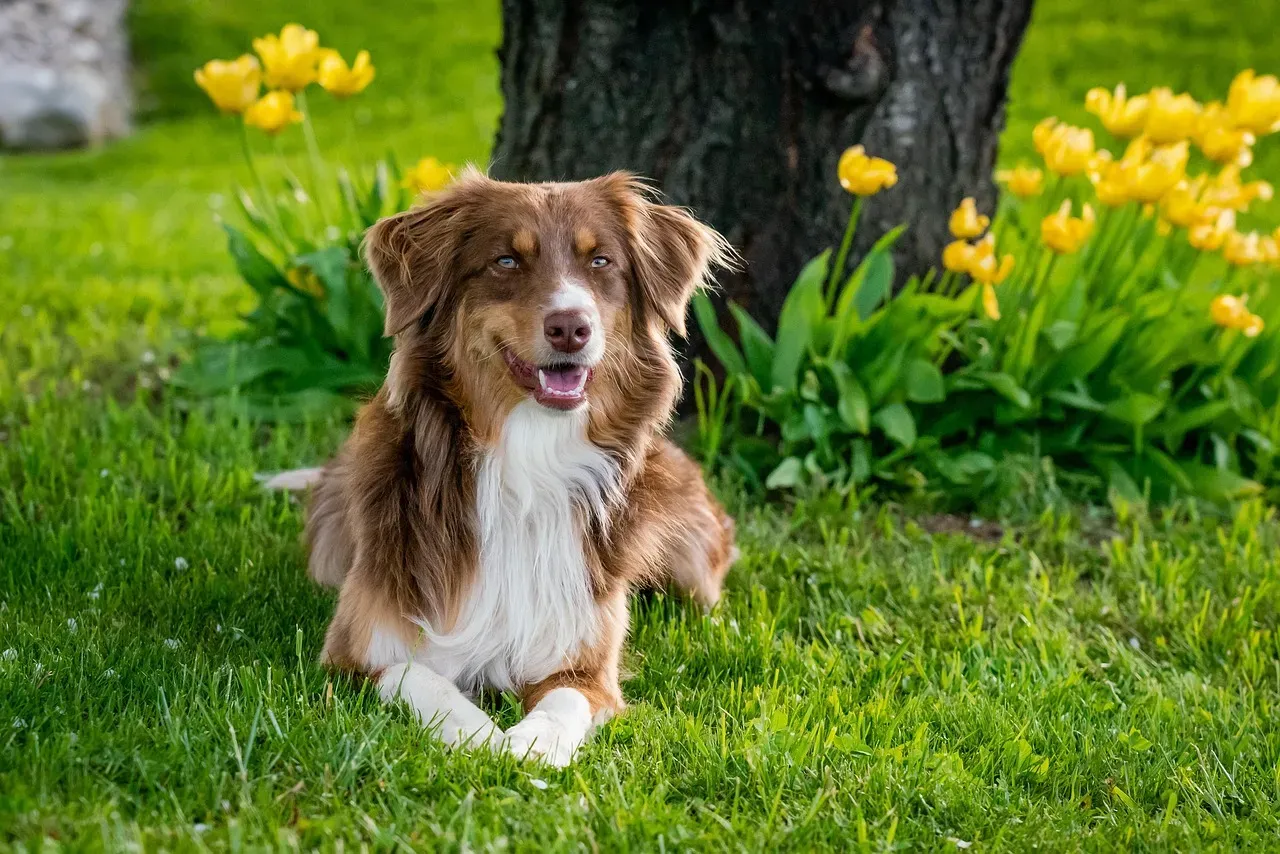
Cities like Chicago and Denver both have Australian Shepherds near the top of their shelter lists – energetic herding dogs that flourish when they have a job to do. The breed exploded in popularity over the past decade partly due to social media, where their agility tricks and striking merle coats made them a natural fit for viral content. What rarely made the reel was the two-plus hours of daily exercise they genuinely need.
The issue of dogs ending up in shelters is complex, influenced by overbreeding, owner surrender, and changing life circumstances, and while all breeds can find themselves in shelters, some are more commonly seen due to specific breed traits or misconceptions about their behavior. Australian Shepherds are among the clearest examples of a breed undone by its own photogenic appeal. In shelters, they can appear anxious and restless – behaviors that are entirely manageable in the right environment but that read as “difficult” in a kennel context.
#17. Akita
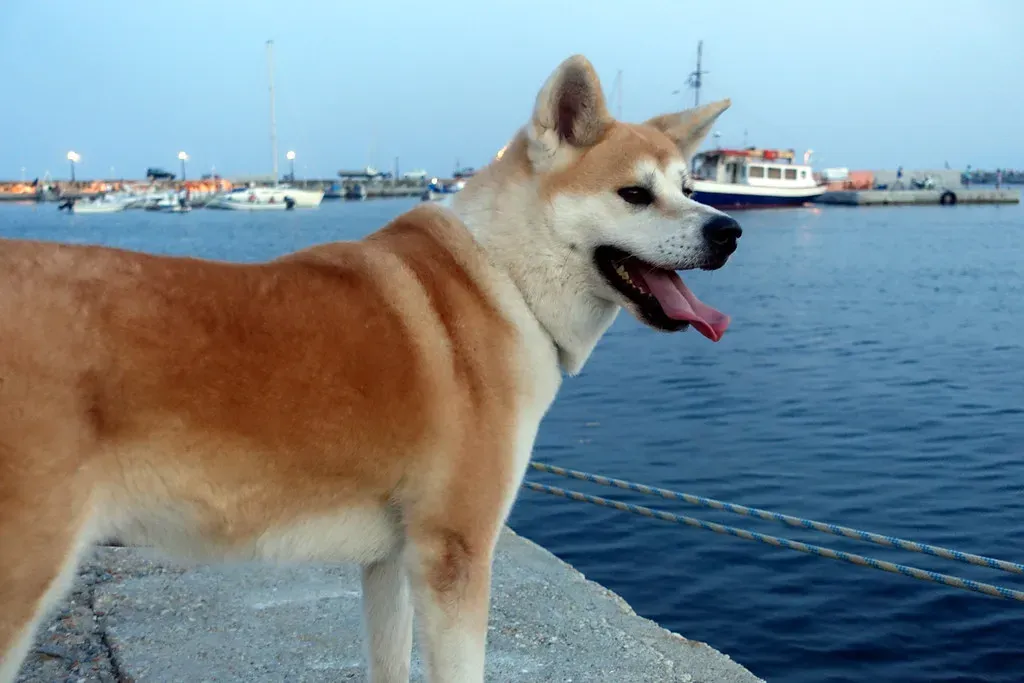
In the right home, an Akita becomes a steadfast guardian and serene companion. The problem is that finding the right home is genuinely challenging. Akitas are large, powerful, and deeply loyal to their immediate family while remaining naturally reserved, sometimes to the point of wariness, around strangers and other dogs. That combination requires an experienced, patient owner – and those adopters are not the majority walking through shelter doors.
Breed-specific rental restrictions also play a measurable role for Akitas, as they appear on many insurance and housing ban lists alongside more commonly stigmatized breeds. There’s no single answer to which breed waits longest, but in general, louder and more stubborn breeds are less likely to be adopted, as are senior dogs. Misconceptions about certain breed stereotypes and a tentative first meeting can be reasons dogs are overlooked. For Akitas, the first meeting is almost always tentative – which is exactly what their measured, dignified personality looks like when it’s being cautious in a strange place.
#18. Large Mixed-Breed Dogs (Black-Coated)
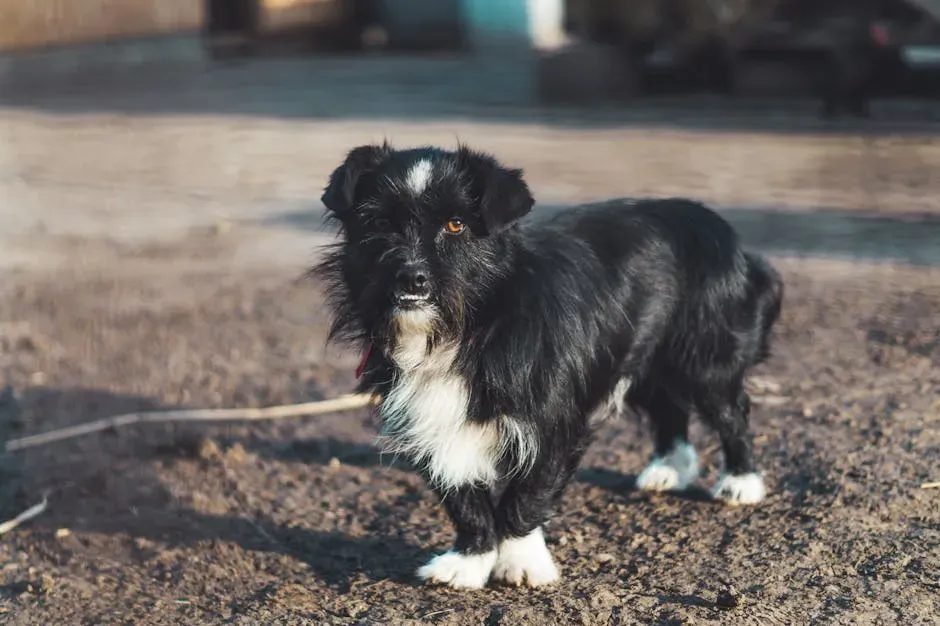
Big, mixed-breed dogs are often overlooked for smaller or purebred dogs due to their size and the lack of specific breed appeal. Adopters sometimes worry about training or space requirements. Despite these concerns, large mixed-breed dogs are frequently well-behaved, adaptable, and loving. When that large mixed breed also happens to have a dark or black coat, the waiting time tends to stretch even further.
Since shelters post pictures of their dogs online, black dogs may be overlooked because their photos don’t connect as emotionally with potential adopters. The length of stay for dogs at shelters has increased, with larger dogs staying the longest at a median of 20 days, compared to 14 days for small dogs. A large, black, mixed-breed dog ticks nearly every box for a long shelter stay – which is quietly devastating when you consider that mixed breeds often have fewer genetic health issues than purebreds, making them healthier overall.
What Can Actually Change This

The issue of dogs ending up in shelters is complex, influenced by overbreeding, owner surrender, and changing life circumstances. While all breeds can find themselves in shelters, some are more commonly seen due to specific traits or misconceptions, and in 2025 and 2026, the trend continues – highlighting the need for responsible pet ownership and breed-specific education.
If there’s one takeaway from studying shelter populations, it’s that dog shelter trends aren’t one-size-fits-all. The breeds you’re most likely to see depend heavily on where you live, local adoption demand, and the challenges your community’s shelters face. Awareness matters, but so does follow-through. If just 6% of prospective pet owners chose to adopt rather than buy from a breeder, there would be no more needless euthanasia in the nation’s shelters, saving upward of 420,000 canine lives.
Conclusion
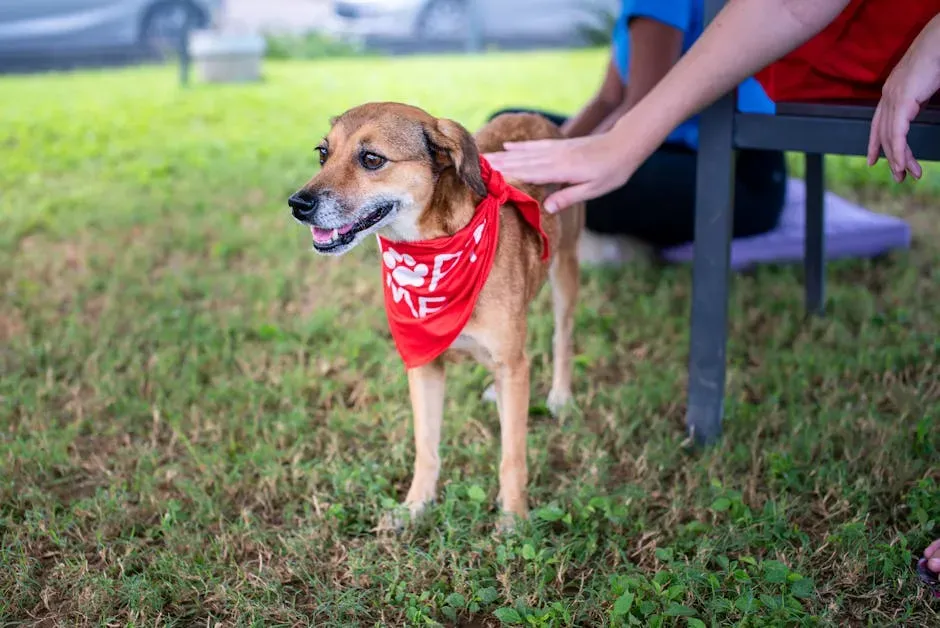
The dogs in this list aren’t waiting because they’re broken. They’re waiting because of a gap – between what a kennel shows you and what a dog actually is, between media-shaped fear and the calm reality of a well-matched home. Every one of the 18 breeds here has, somewhere, an owner who adopted them and never looked back.
The shelter kennel is one of the worst possible environments for reading a dog’s true character. Stressed, loud, unfamiliar – it flattens personalities and amplifies anxiety. That shy dog hiding at the back of the kennel may warm up immediately once in a quiet home, and when away from the loud, chaotic environment of an animal shelter, many dogs feel comfortable enough to start playing and showing their true nature. The dog waiting the longest might just be the one you’d choose if you could see them on their best day. Most of the time, all they need is for someone to stay a little longer at the door.
Worried about unexpected vet bills?
Pet insurance can cover thousands in unexpected vet costs. Get a free quote from Lemonade in under 2 minutes.
Get My Free Quote →Sponsored · Opens Lemonade.com

- Did You Know Tigers Mimic The Calls of Their Prey - June 7, 2026
- Eagles in Alaska Are Changing Their Migration Routes - June 7, 2026
- 7 Ways to Create a Wildlife-Friendly Backyard Habitat - June 7, 2026