
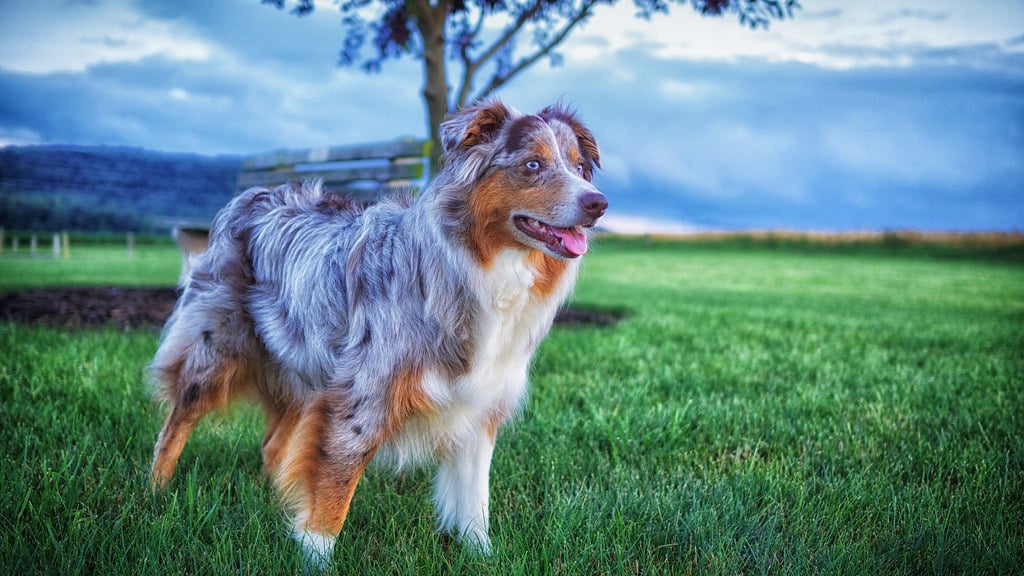
#1. Pit Bull Terrier
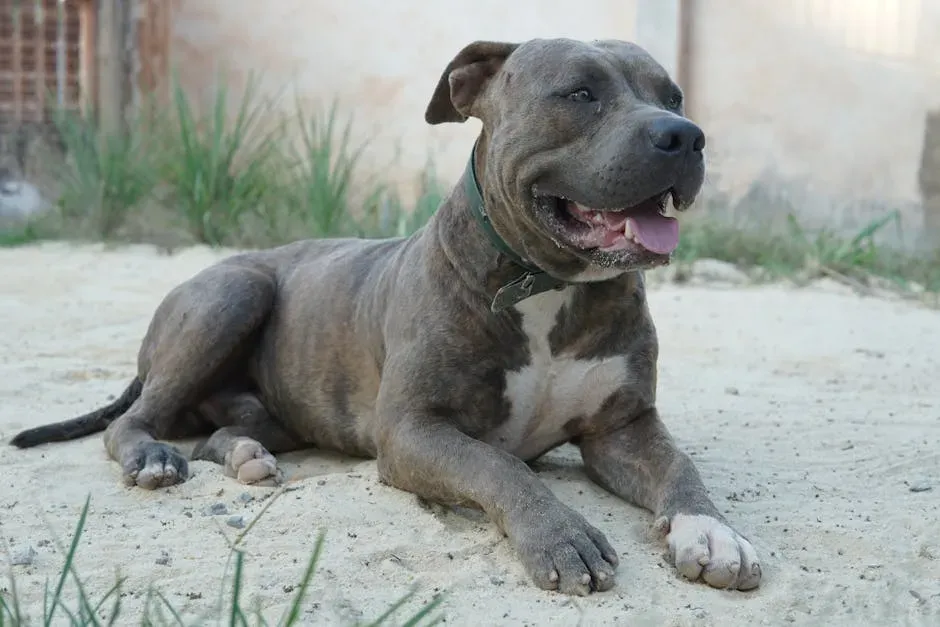
Pit Bulls are one of the most common dogs in shelters, often due to misunderstandings about their temperament. Many people associate them with aggression, but in reality, well-trained Pit Bulls are affectionate, loyal, and eager to please. They’re patient with children, deeply bonded to their families, and genuinely motivated to make their people happy.
Unfortunately, breed-specific legislation in certain areas also makes it harder for them to find homes. Restrictive rental policies that prohibit dogs above a certain size or of a certain breed can push people away from adoption too. The result is a breed that’s nearly always the most plentiful in shelters and, far too often, the least likely to leave.
#2. German Shepherd
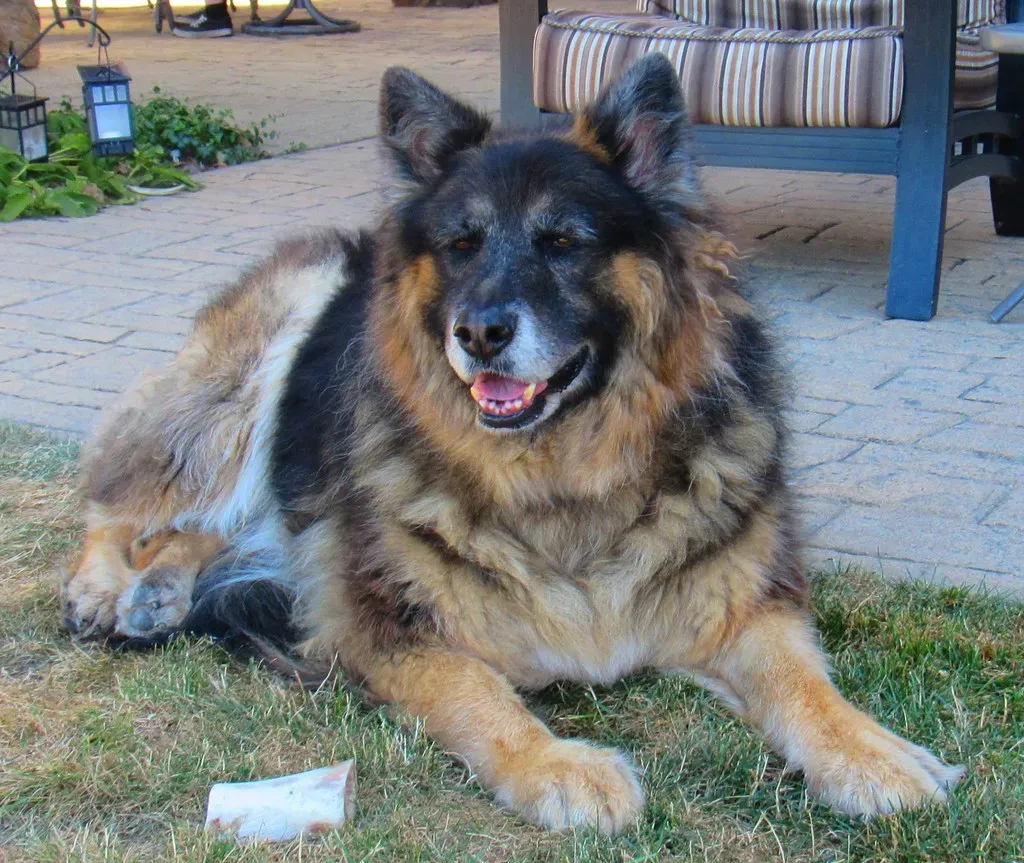
German Shepherds are filling shelters at a rate that the rescue system is struggling to keep up with. A Petfinder analysis conducted in April 2025 found that German Shepherd Dogs were the second most common breed available for adoption in California, with over 1,000 individual dogs listed. Scale that across Texas, Florida, and the broader South and Southwest, and the numbers become staggering.
German Shepherds are intelligent, loyal, and protective, but they are also one of the most demanding breeds to own. These dogs require extensive training, constant exercise, and firm leadership to thrive. Their working background means they need both mental and physical challenges every day. When neglected, they can develop anxiety or aggressive behaviors. Families who adopt them for their image often find themselves completely overwhelmed within months.
#3. Labrador Retriever

Despite their popularity, Labs are frequently found in shelters due to their high energy levels and need for exercise. Labs can become destructive if they are not properly exercised and mentally stimulated, leading to behavioral issues. Additionally, some owners may underestimate the responsibilities of owning a large, active dog, leading to abandonment. It’s one of America’s most beloved breeds and yet one of its most surrendered.
Black-coated Labradors are often overlooked due to “Black Dog Syndrome” – a bias where darker dogs are perceived as less friendly or less photogenic than their lighter-colored counterparts. Many shelters report that black Labs stay in shelters much longer than yellow or chocolate Labs. A dog this friendly and trainable shouldn’t be waiting this long, and yet here we are.
#4. Siberian Husky
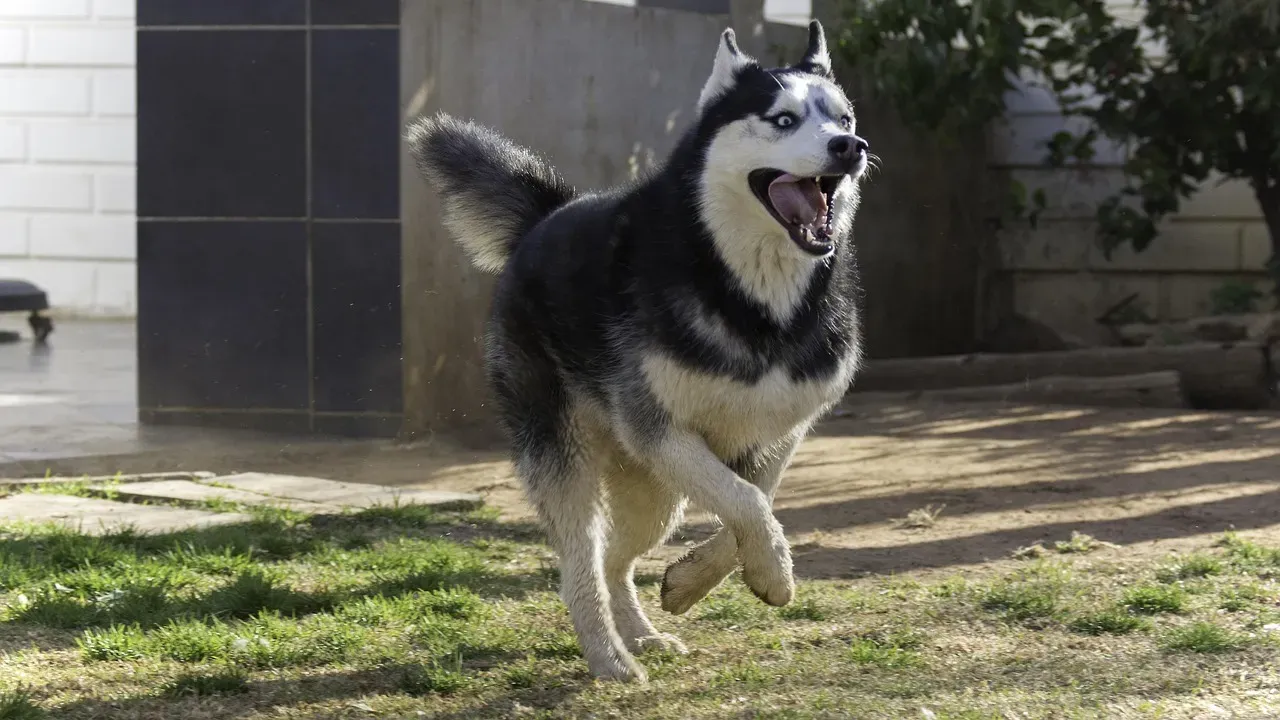
The number of Siberian Huskies in shelters has doubled since 2020. Like other breeds on this list, Huskies have a striking appearance and have stood in the Hollywood spotlight more than once. With superficial popularity comes a misunderstanding of the breed’s true nature: high energy, vocal, independent, and intelligent. Social media made them look effortlessly cool. Real life told a very different story.
They are often found in shelters due to their strong prey drive, tendency to escape, and need for extensive exercise. Huskies are independent and can be stubborn, making them challenging for inexperienced owners. They require consistent training, socialization, and physical activity to thrive. Many end up in shelters because owners underestimate the time and effort needed to care for such an active and intelligent breed. A Husky without an outlet is essentially a beautiful, expensive problem.
#5. Boxer
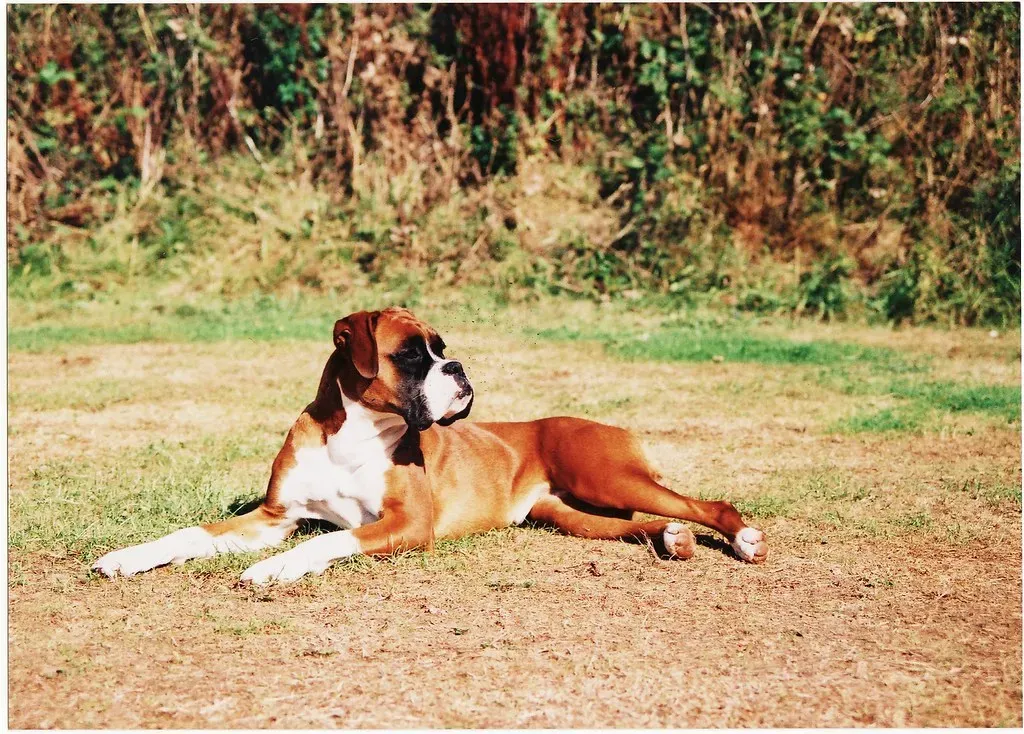
Boxers are energetic, playful dogs known for their boundless enthusiasm and love for family. Despite their endearing qualities, they are often found in shelters due to their high energy levels and need for consistent training and socialization. Boxers are strong and can be boisterous, which can be overwhelming for inexperienced owners. They also have a strong protective instinct, which can lead to behavioral issues if not properly managed.
When a particular breed becomes popular, usually due to celebrities and media exposure, it often leads to a surge in demand. People rush to bring home a dog of the same breed, but not everyone is prepared for the responsibilities that come with caring for a dog, especially one with specific needs. As a result, many of these dogs eventually end up in shelters and rescues. Boxers, with their goofy charm and relentless energy, fit that pattern almost perfectly.
#6. Chihuahua
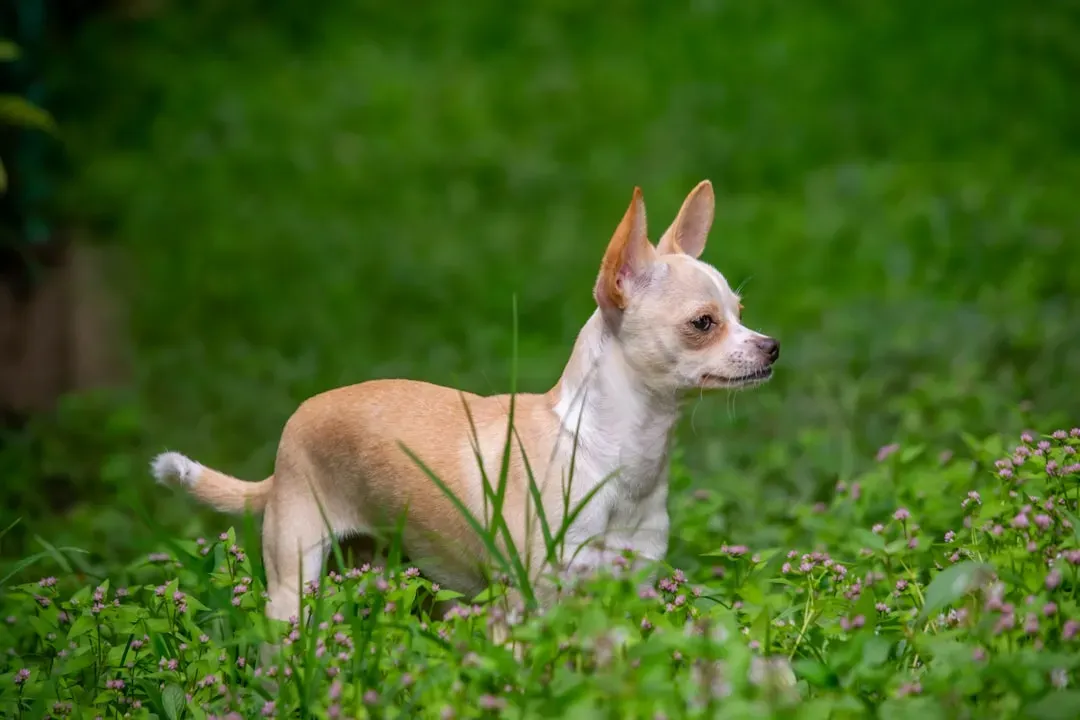
In California alone, Chihuahuas make up 30% of the dog population in shelters. This breed is extremely popular, especially in urban areas. Many are seen as a “fashion statement” as opposed to an animal one has to care for. The purse-dog era left a lasting and troubling legacy for this tiny, complex breed.
Without the right care, Chihuahuas can be timid and prone to fear-based aggression. Many surrender this breed when they realize that they require the same care as any other pet. This breed does often have a nervous personality, which can cause them to bark or snap at strangers. Chihuahuas can be alert and wary of strangers at first, but loyal and good family pets if treated properly. The problem isn’t the dog. It’s nearly always the expectations the owner brought home with it.
#7. Rottweiler

Rottweilers are strong, protective dogs that require experienced handling. They are often found in shelters due to misconceptions about their temperament and the responsibilities of owning such a powerful breed. Rottweilers are loyal and can be excellent family pets, but they need consistent training and socialization to ensure they are well-behaved. Many end up in shelters due to a lack of understanding of their needs or because owners cannot handle their strength and protective nature.
Due to their imposing build, Rottweilers often face breed discrimination, especially in rental housing. Strong protective instincts demand experienced leadership, and when owners struggle to provide structure, territorial tendencies can develop, making rehoming more likely. They are also victims of breed-specific legislation, which can force families to give them up. For a breed this devoted, it’s a profoundly unfair situation.
#8. Australian Shepherd
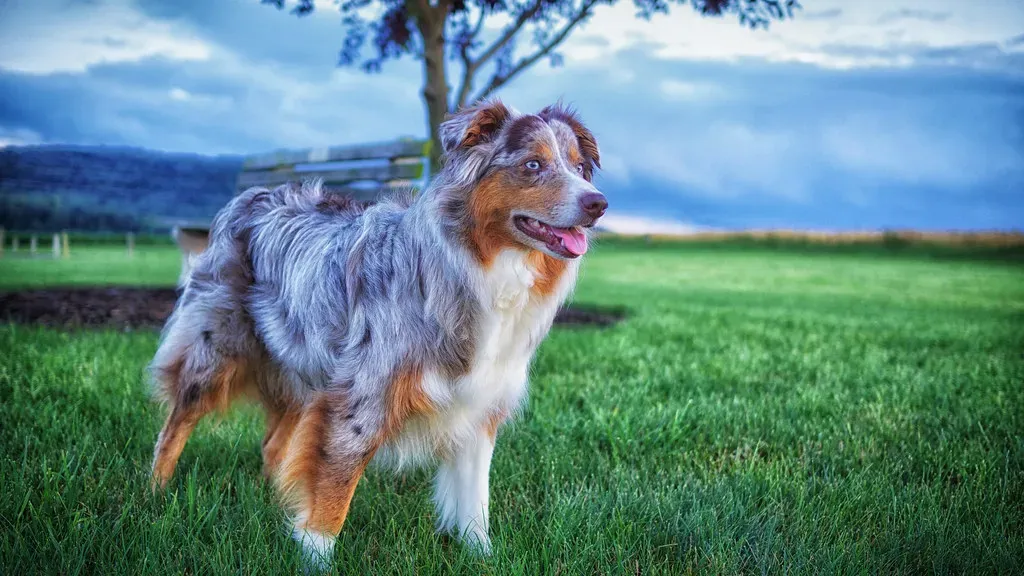
Australian Shepherds are highly intelligent and energetic dogs that require a lot of mental and physical stimulation. They are often found in shelters because their high energy levels and herding instincts can be overwhelming for some owners. Australian Shepherds need a job, whether it’s herding, agility, or other activities that challenge them. Without proper exercise and mental stimulation, they can become bored and destructive, leading to owner surrender.
The breed’s popularity exploded online, partly because of their stunning merle coats and their uncanny ability to look like they belong in a shampoo commercial. But aesthetics and reality rarely match up. Some breeds, especially working dogs, need a lot of exercise and mental stimulation to thrive. When pet parents aren’t fully aware of these needs or don’t have the time or energy, dogs can become bored, anxious, or even destructive. As a result, they often end up in shelters and rescues simply because their energy and attention requirements were not met.
#9. Beagle

Beagles are popular little dogs that are brought home because of their adorable puppy looks. As these dogs age, owners often learn that they are prone to barking and howling and don’t want to manage the dog the way it needs to be managed. Beagles make excellent family companions for those prepared to work with their behavior. That gap between the puppy phase and adult reality is where most surrenders happen.
Beagles are scent-driven animals with centuries of hunting instinct baked into their DNA. They follow their nose first and their owner’s commands second. Beagles are vocal, scent-driven, and prone to stubborn behavior. In a suburban home without a securely fenced yard and a very patient owner, a Beagle can quickly become more than a household bargained for – and shelters across the country are seeing the numbers to prove it.
#10. Dachshund

With their long bodies and short legs, Dachshunds are charming but often misunderstood. They are frequently found in shelters due to health issues related to their unique build, such as back problems, and behavioral challenges like stubbornness and a strong prey drive. Dachshunds can also be prone to separation anxiety and may not get along well with young children.
Dachshunds are very popular pets and very often get turned into shelters because of their behavior. Dachshunds are badger hunting dogs and despite their size are filled with a strong personality that can be troublesome for the uneducated or inexperienced owner. Many assume that with their small stature, they are an easy dog to have. That assumption ends badly for far too many of them.
#11. Chow Chow
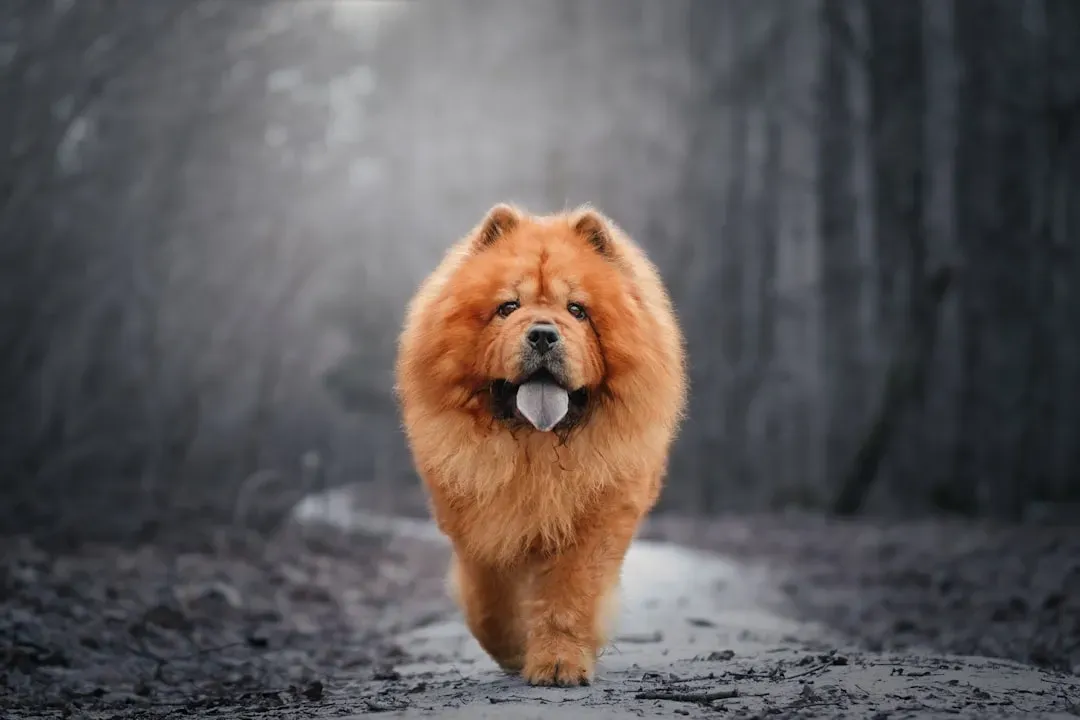
Chow Chows are famous for their fluffy coats and serious expressions, but they can also be a tough sell in shelters. They’re independent and sometimes aloof, which means they don’t always show affection the way other breeds do. Potential adopters looking for a cuddly, social dog may pass them by, not realizing that once a Chow bonds with you, they’re incredibly loyal.
The Chow Chow is believed to be a difficult breed to understand and evaluate. Many shelters, doing their best to provide people with safe, friendly pets and avoid liability problems, refuse to offer Chows for adoption at all. That reluctance, combined with a personality that doesn’t perform well under the stress of shelter life, makes these dogs among the hardest to place. They deserve patient, experienced homes – and those are increasingly hard to find.
#12. Border Collie
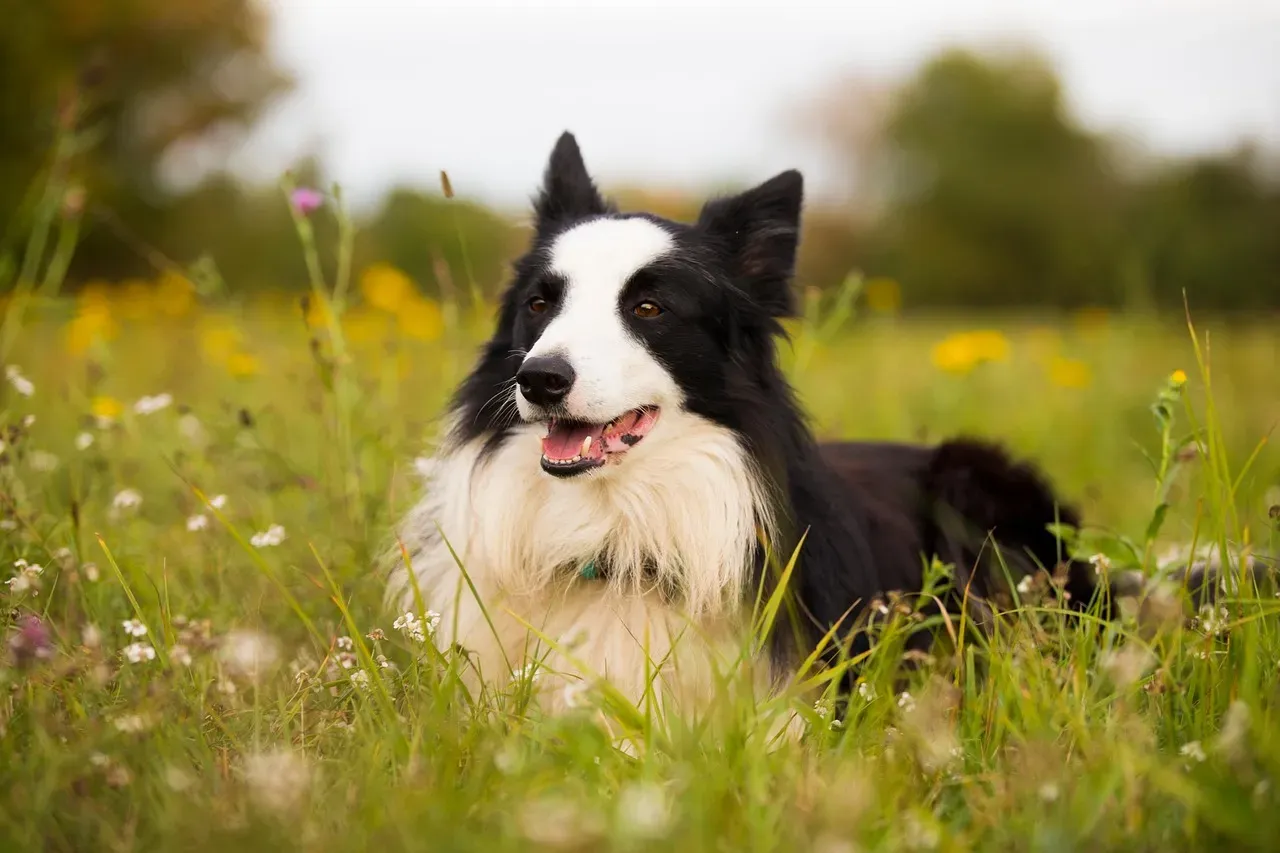
Border Collies are very smart and require a lot of mental and physical exercise, which can be overwhelming for people who aren’t prepared for such an active dog. Without proper outlets for their energy, they can become understandably frustrated, leading to behavioral issues such as excessive barking or destructive behavior. This often results in them being surrendered.
Many owners are excited at the potential of such a smart dog, but they are unprepared for the level of interaction a Border Collie needs. This breed needs a job, and without, they can become destructive. Calling a Border Collie “high energy” is a little like calling the ocean “damp.” These are world-class athletes with working minds, and a bored one will find ways to redecorate your home that you never imagined possible.
#13. Cocker Spaniel
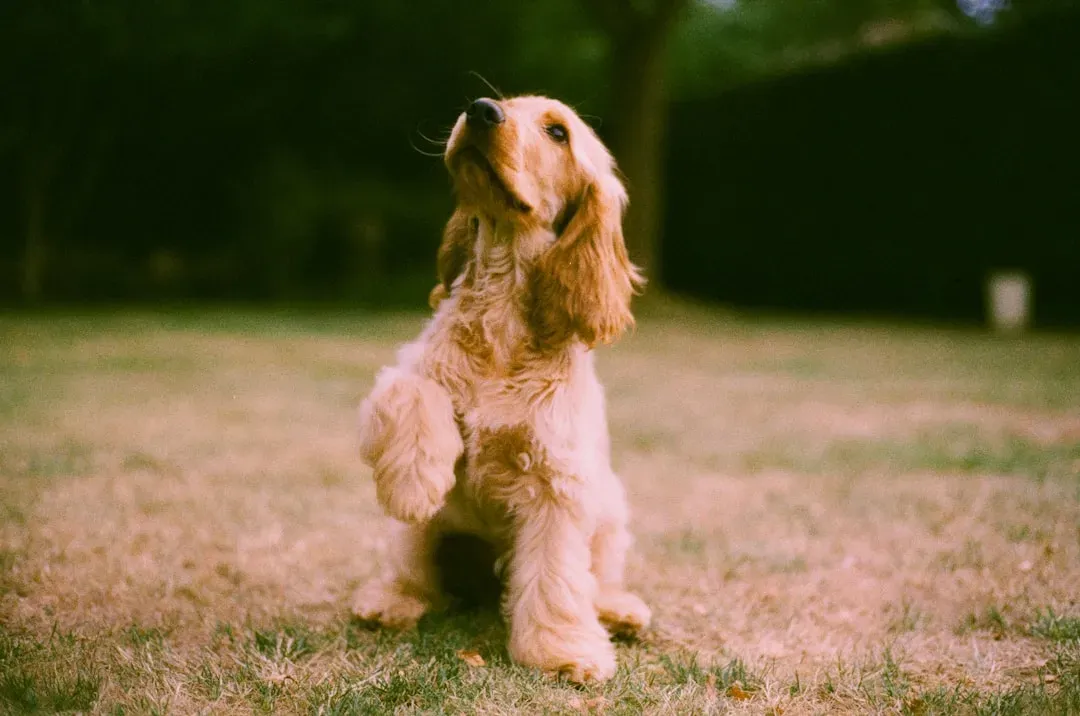
Cocker Spaniels are affectionate and playful dogs known for their beautiful coats and friendly disposition. Despite their popularity as family pets, they are often found in shelters due to grooming needs, health issues, and behavioral challenges. Cocker Spaniels can be prone to ear infections and require regular grooming, which can be overwhelming for some owners.
The maintenance load for a Cocker Spaniel is real and ongoing. Their silky ears trap moisture, their coats mat without regular brushing, and their health care costs can climb quickly. The issue of dogs ending up in shelters is complex, influenced by overbreeding, owner surrender, and changing life circumstances. For Cocker Spaniels, overbreeding during their peak popularity years produced dogs with compounding health issues, and those vet bills pushed many families toward surrender. The breed pays the price for its own former fame.
#14. Coonhound
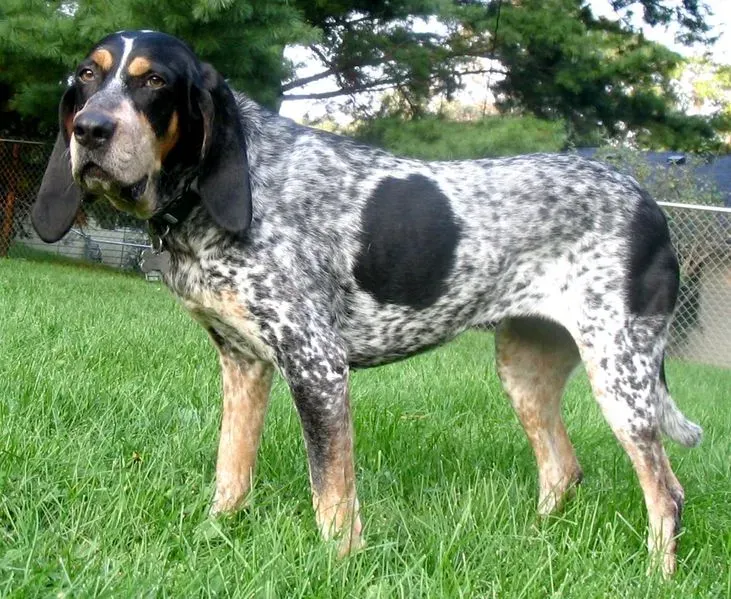
Coonhounds are smart, hardworking hunting dogs, but they are often overlooked in shelters due to their strong prey drive and high energy levels. Many end up in shelters when their owners realize they need a lot of exercise and mental stimulation. These are dogs built for the woods and the trail – not the couch and the apartment building.
Coonhounds are also extraordinarily vocal. Their bay is a deep, carrying sound that was designed to be heard across miles of forest. In a neighborhood setting, that same quality can quickly become a noise complaint waiting to happen. They need a lot of space and training. Without either, they struggle. With both, they’re remarkable companions – but that combination is exactly what most adopters can’t offer.
#15. Golden Retriever
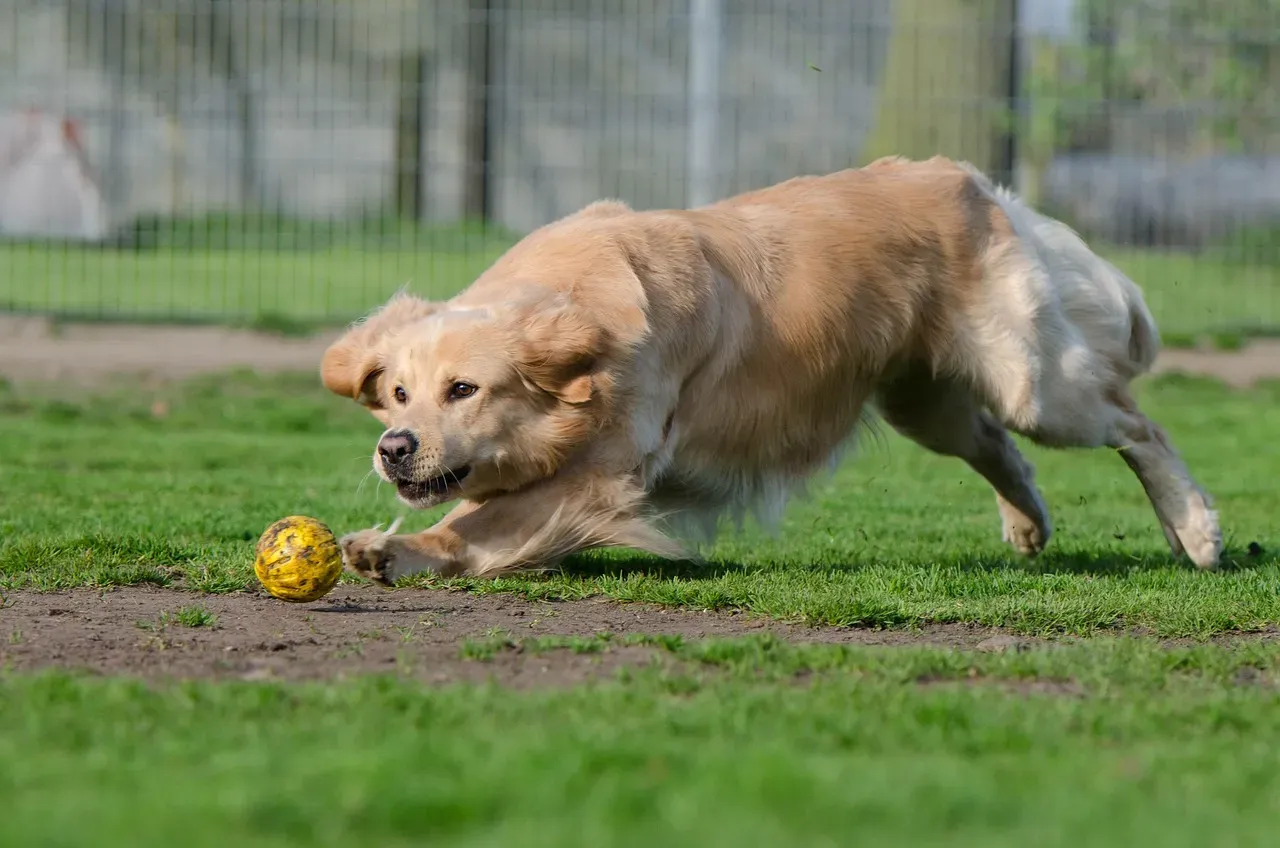
While it may be surprising to see a Golden Retriever in a shelter, it’s actually quite common – especially because the breed and their mixes have soared in popularity in recent years. As more people have sought out these friendly and laid-back dogs, there has been a rise in both intentional breeding and impulse adoptions, which can lead to surrender when families find themselves unprepared to care for them.
As more people have sought out these friendly and laid-back dogs, there has been a rise in both intentional breeding and impulse adoptions, which can lead to surrender when families find themselves unprepared to care for them. Health problems caused by overbreeding and their high exercise needs can overwhelm owners. The Golden’s reputation as the easy, gentle family dog has quietly masked the fact that they’re still a large, energetic, social breed that requires real commitment to thrive.
#16. Dalmatian
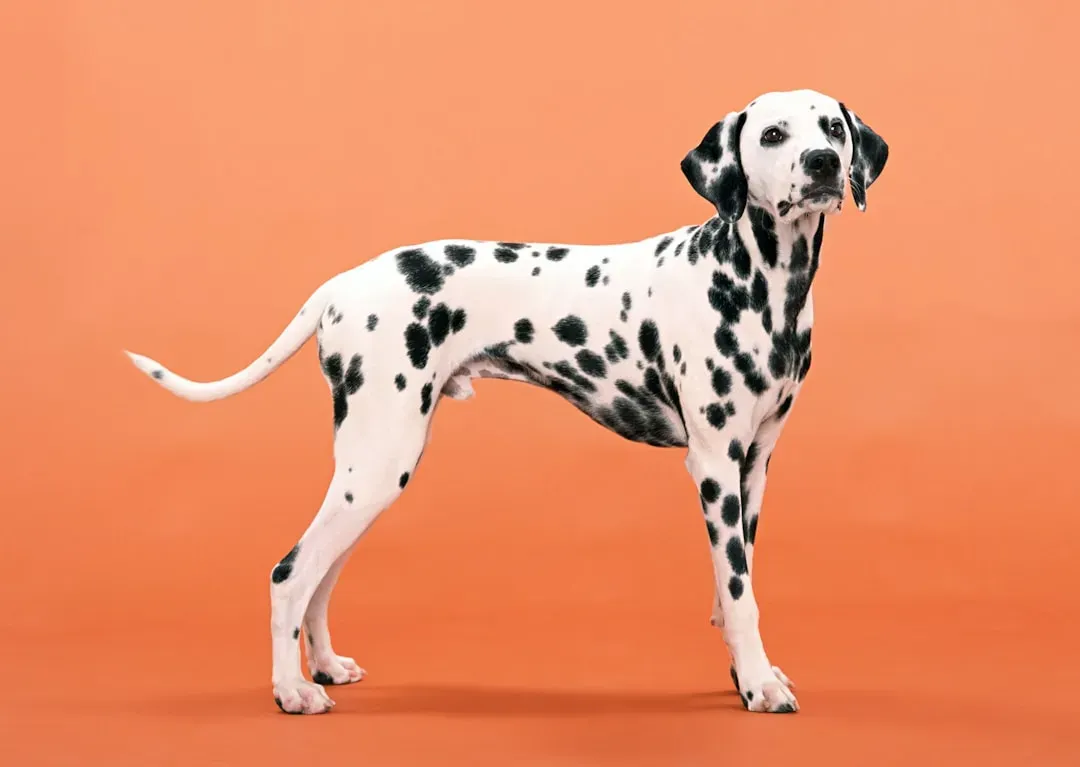
Few breeds have suffered from pop culture quite like the Dalmatian. Thanks to movies like 101 Dalmatians, demand for the breed spiked dramatically in the 1990s, and then collapsed just as fast when families discovered the reality of owning one. The cycle has repeated itself in smaller waves ever since, with shelters bearing the consequences each time.
Dalmatians are high-energy, deeply intelligent dogs with a stubborn streak and a tendency toward deafness, which affects a notable portion of the breed. They’re not remotely suited for low-key households. Some people adopt them without realizing the commitment required to keep such a driven breed happy and healthy, resulting in surrender. They deserve homes that were chosen for them thoughtfully – not impulsively because of a movie poster.
#17. American Eskimo Dog
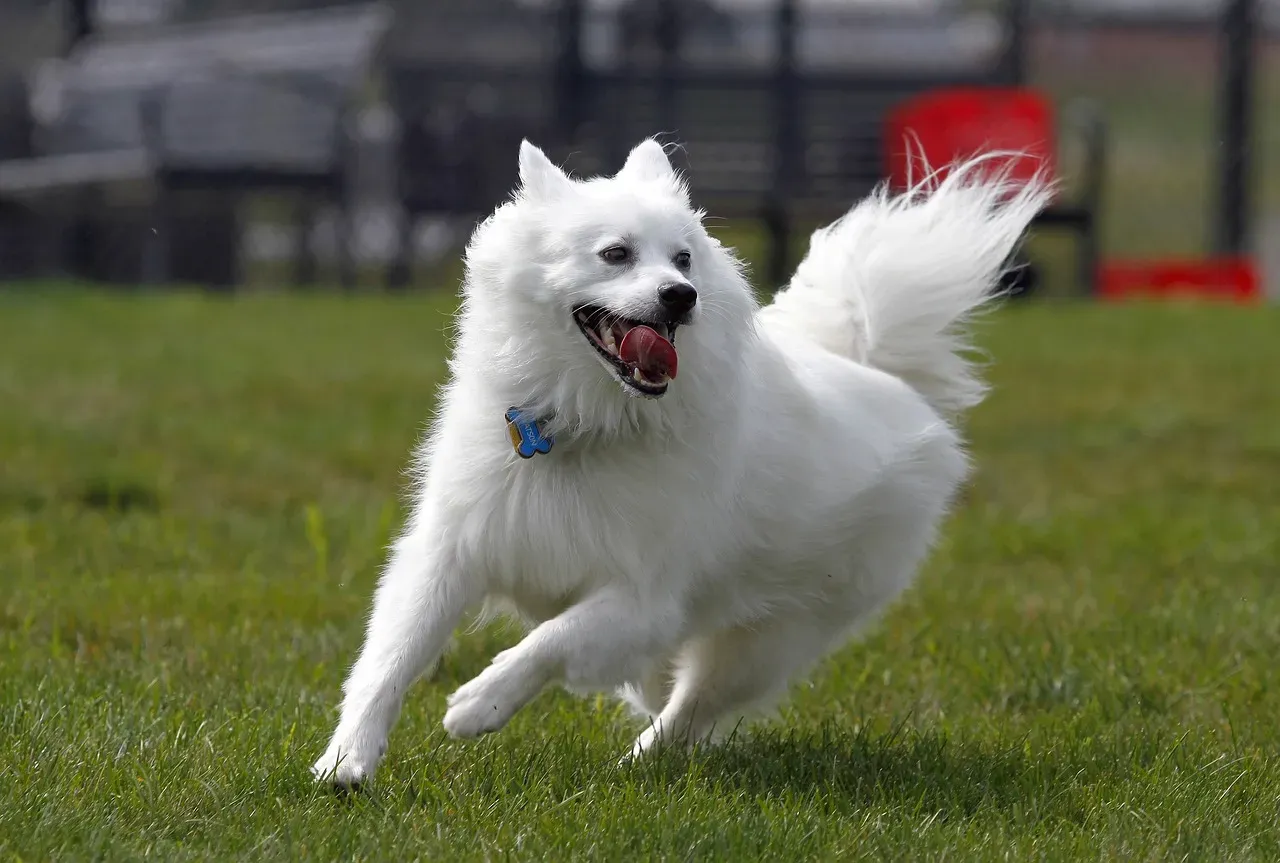
American Eskimo Dogs are beautiful, intelligent, and affectionate, but their high grooming needs and energy levels make them harder to place in homes. Many people underestimate how much exercise and mental stimulation they require, leading to surrenders. Their cloud-white coats and fox-like faces make them immediately eye-catching, and that visual appeal is often what drives the initial adoption – not a thorough understanding of the breed.
Their thick coats require frequent grooming, and they need a lot of activity. Without regular brushing, their coats mat severely. Without sufficient exercise and mental engagement, they become anxious, vocal, and destructive. The American Eskimo is a dog that genuinely thrives with the right owner and genuinely struggles in the wrong home – and far too many of them are waiting in shelters right now to prove it.
The Bigger Picture We Can’t Ignore
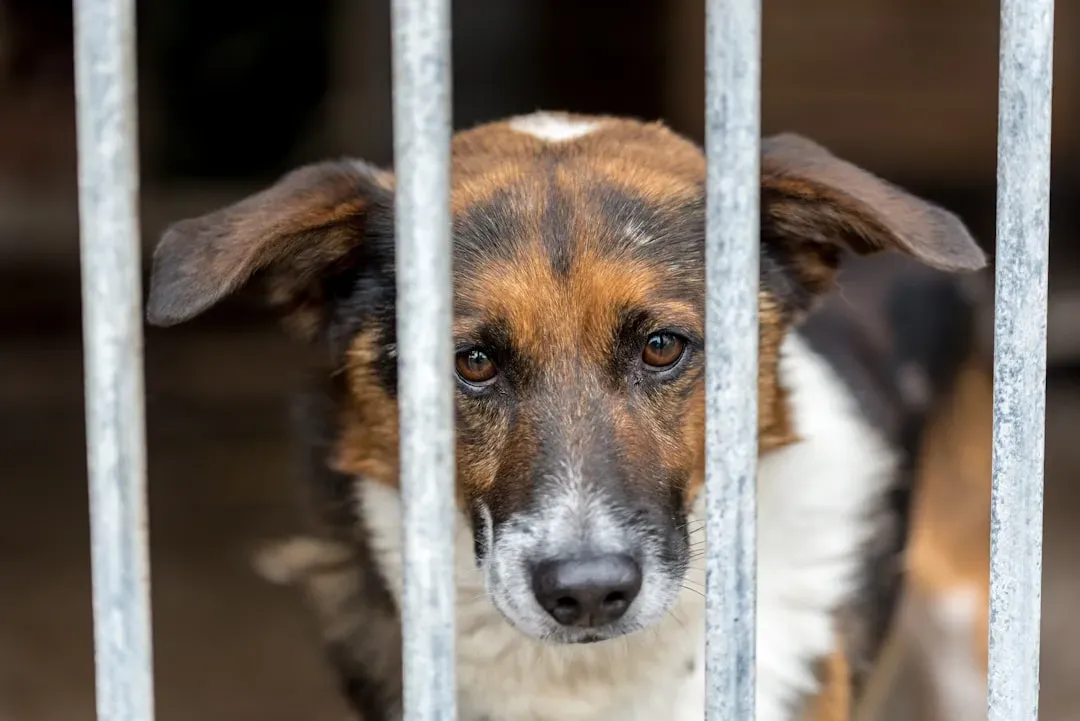
This surge is not the result of irresponsible ownership or a sudden loss of compassion. It is the result of compounding pressures that have made pet ownership increasingly difficult for many families. Housing instability, rising veterinary costs, economic strain, and return-to-office mandates have all converged to push animals back into shelters at a rate the system wasn’t built to handle.
Large dogs in particular are having a hard time finding adoptive homes, now staying in shelters twice as long as they were before the pandemic. Because of this, some shelters are having to make more heartbreaking euthanasia decisions. While large and medium dogs had decreases of nine and three percent respectively, adoptions increased for small dogs. The divide keeps growing, and the dogs on this list are sitting squarely on the wrong side of it.
The honest conclusion here is an uncomfortable one. We’ve built a pet culture that rewards the aesthetic and punishes the inconvenient. Social media makes a Husky look effortless. A movie makes Dalmatians look adorable. A celebrity photo makes a Chihuahua look like an accessory. Surprisingly, one in four dogs in shelters is purebred, but certain breeds often struggle to find homes due to outdated stereotypes and breed restrictions and legislation. These aren’t broken dogs. They’re dogs that got caught in the gap between how we romanticize them and what they actually need.
If there’s one thing worth taking away from this list, it’s that every breed here is perfectly capable of being a wonderful companion – in the right home. The shelter crisis won’t be solved by outrage or sentimentality alone. It needs prospective owners who research before they commit, landlords who rethink blanket breed bans, and communities that support the people struggling to keep their pets at home. The dogs are ready for their second chance. The question is whether we’re ready to actually give it to them.

- 10 Worst US Cities for Major Earthquakes - June 23, 2026
- The Biggest Single Snowstorm to Hit New York City - June 23, 2026
- 7 Facts About Grand Lake O’ the Cherokees - June 23, 2026