
Worried about unexpected vet bills?
Pet insurance can cover thousands in unexpected vet costs. Get a free quote from Lemonade in under 2 minutes.
Get My Free Quote →Sponsored · Opens Lemonade.com
Most gardeners spend good money on feeders, specialty nectar mixes, and carefully chosen red flowers, then spend the whole summer wondering why hummingbirds still treat their yard like a quick pit stop rather than a destination. There’s a frustrating gap between what we think these birds want and what they actually respond to.
The truth is that hummingbirds are far stranger and more particular than any feeder label will ever tell you. A hummingbird isn’t just passing through your garden; it’s conducting a full inspection, running a detailed mental checklist that covers color, bloom shape, insect density, water movement, perch safety, spider webs, nesting potential, and more. Here are 17 things they quietly love that most gardeners have never once considered.
#1. Spider Webs They Can Actually Harvest
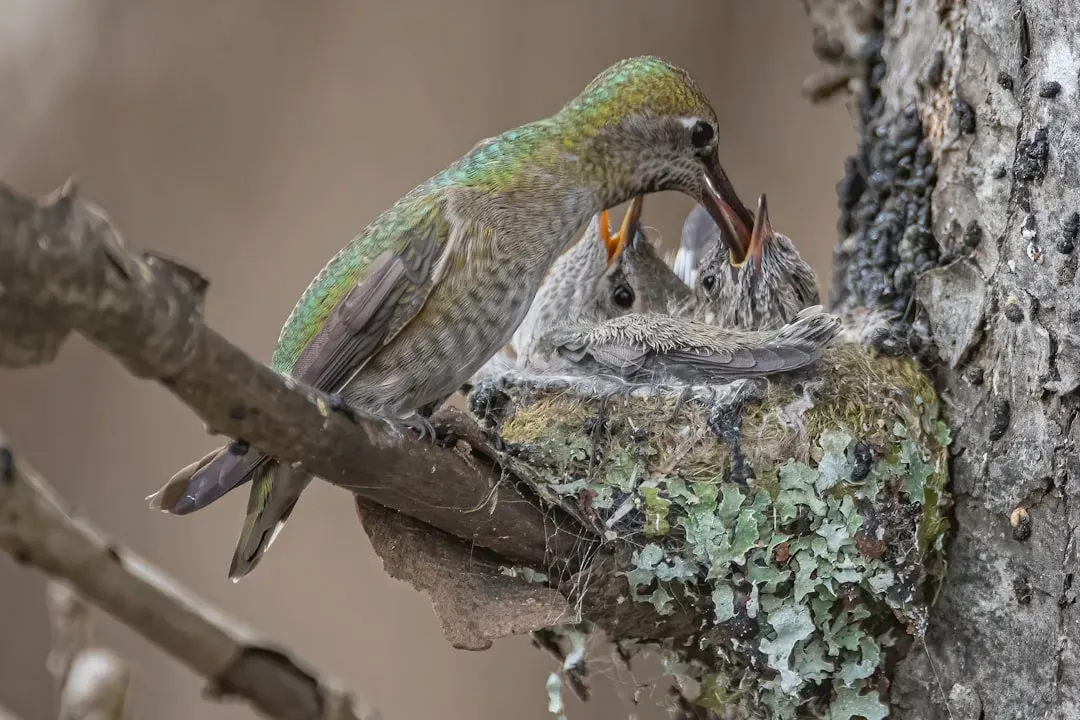
Most gardeners sweep spider webs away without a second thought. That’s a significant mistake. When it’s time to build a nest, a hummingbird gathers spider silk with her beak, collecting it on both her beak and breast, using the silk like sticky cordage to keep moss, lichen, bits of plant matter, and other nest materials in place, with some of the silk also securing the nest cup to the twig that houses it.
The engineering behind this is genuinely remarkable. Spider webs are incredibly strong for their weight, sticky enough to hold everything together, and elastic enough to allow the nest to stretch as the chicks grow, making spiders essentially the unsung heroes of hummingbird nest construction. Leaving webs intact, particularly in sheltered corners of your garden, is one of the most practical and cost-free things you can do for nesting hummingbirds.
#2. The Mist From Your Garden Hose
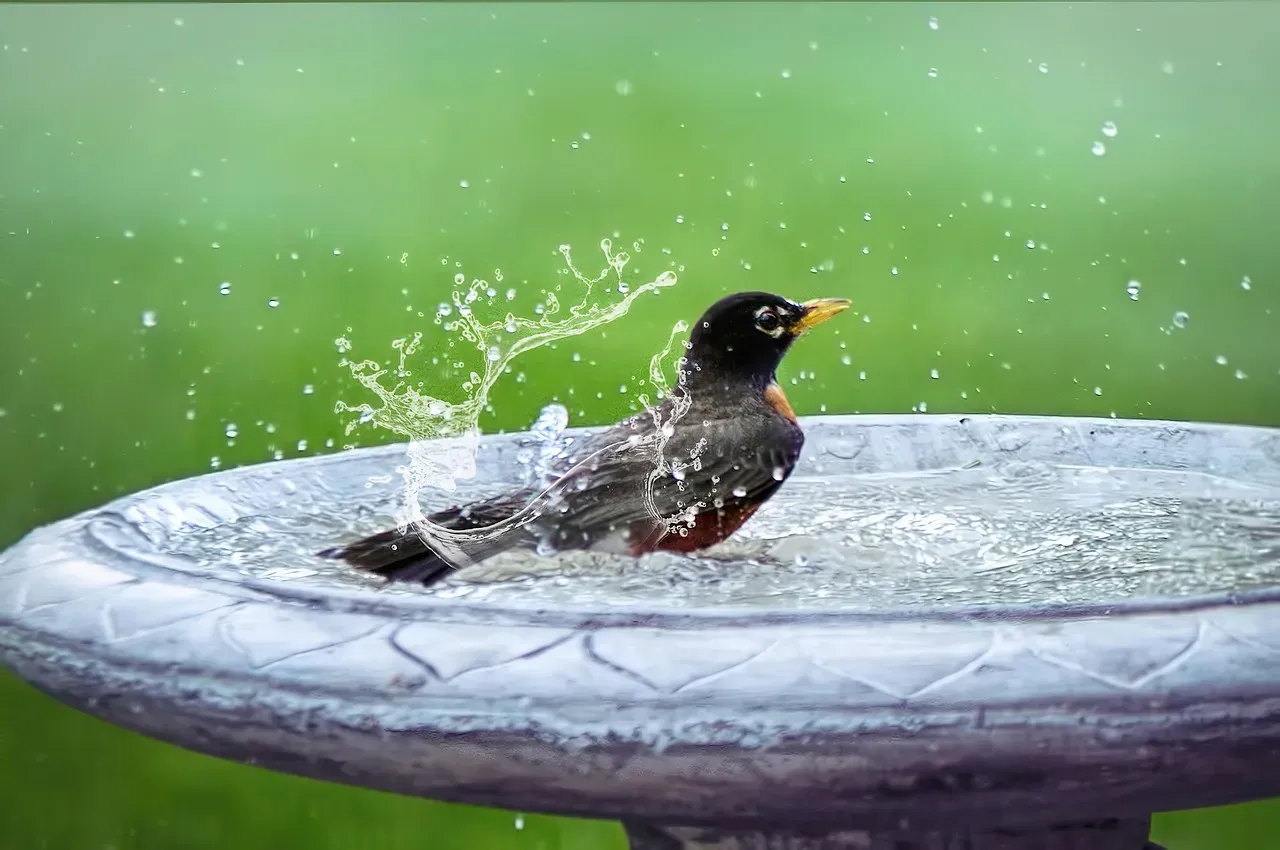
Hummers love to take a shower or even a bath, using water to help clean their plumage, and they are attracted to gardens with water features, intentional or not, including bird baths and other standing-water features. Many gardeners never think about offering water beyond a standard birdbath, which is often too deep for a hummingbird to comfortably use.
A birdbath with a small mister, bubbler, or sprayer is what really attracts them, and it’s a rare but delightful sight to watch them fly through the mist of a lawn sprinkler too. Adding a very shallow pan of water or a shallow birdbath with a bubbler, fountain, or mister instantly makes your yard more attractive to hummingbirds and other bird species. The movement of the water is the real draw here, not the size of the container.
#3. Insects More Than You’d Ever Expect
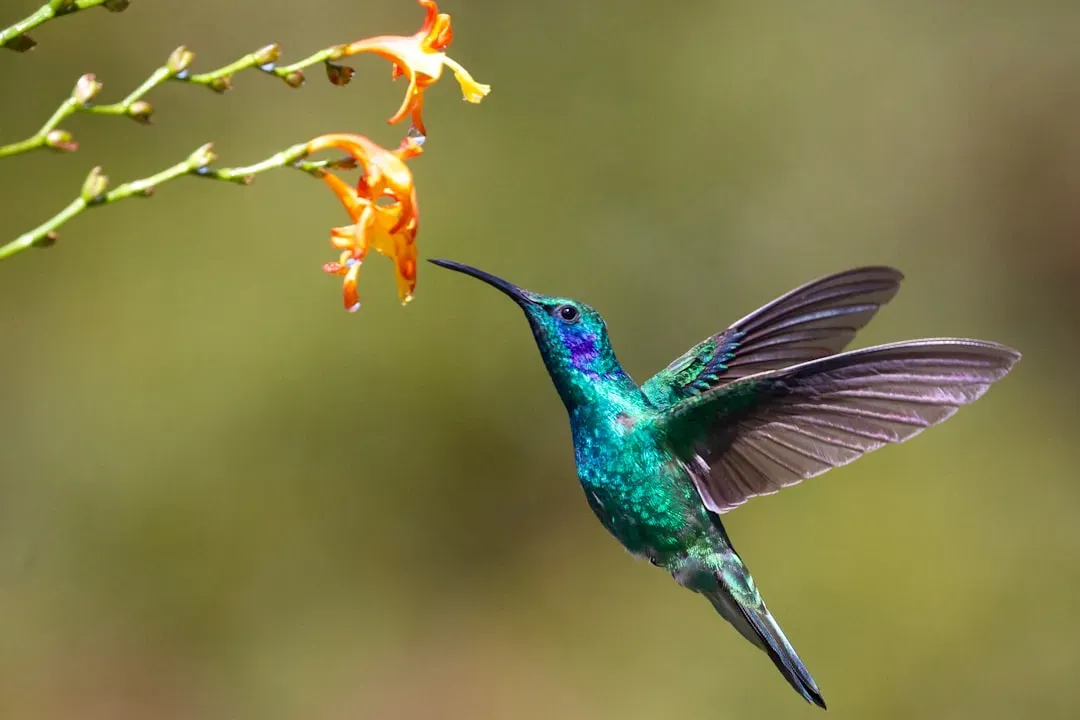
The nectar obsession is real, but it tells only half the story. Although nectar is a great energy source, it lacks many important nutrients, especially amino acids, meaning hummingbirds derive virtually all of their protein from insects, with spiders being a particularly important item in their diet. Gardeners who wage war on every bug in sight are actually eliminating a critical food source.
Nectar is the high-octane fuel that powers hummingbirds, but they also need body-building protein, spending considerable time hunting small insects, spiders, and other arthropods, and thanks to their amazing agility and a special bill adaptation that makes it essentially spring-loaded, they can snatch insects right out of the air. Those tiny gnats and microscopic insects hovering above your flower beds provide crucial protein these birds need to survive. Pesticide-free gardening isn’t just an environmental choice; it’s a hummingbird hospitality strategy.
#4. Lichen Growing on Tree Bark
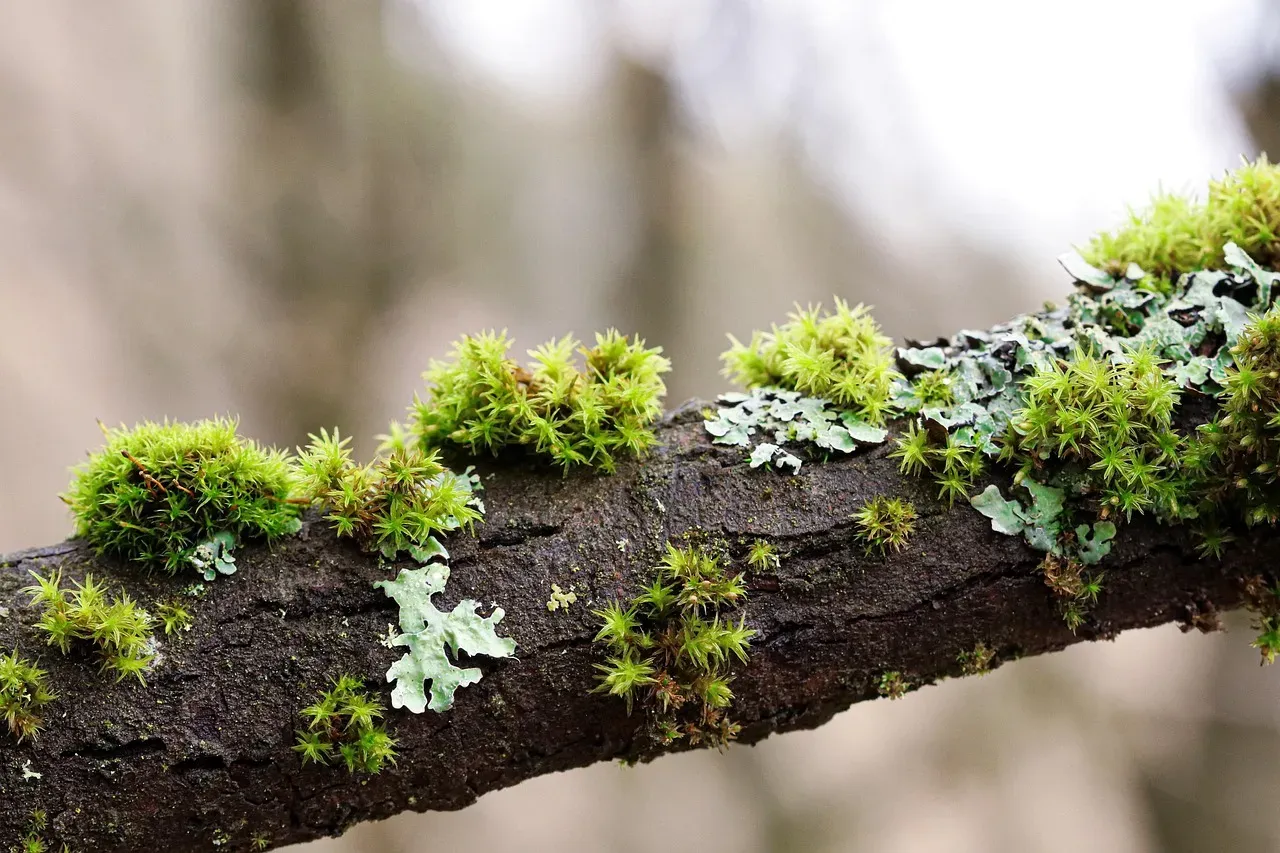
Lichen is one of those quiet, unassuming things most gardeners either ignore or try to scrub off their trees. Hummingbirds, however, are actively looking for it. Some or all of the spiderweb silk used in nest construction is sticky, and upon completion, the birds collect bits of lichen and attach them to those sticky strands on the outside of the nest.
The cobwebs in the nest allow for elasticity and permit the cup to expand to accommodate rapidly growing nestlings, while a dense coat of lichen on the exterior helps it blend in with the branch it’s saddled to. It’s also notable that the birds seem to apply the lichens to the nest in an upright position, with the top facing outward, so they look like they could actually be growing on the nest. Resist the urge to clean up lichen from tree branches near your garden, especially during nesting season.
#5. Upside-Down Sleeping Spots
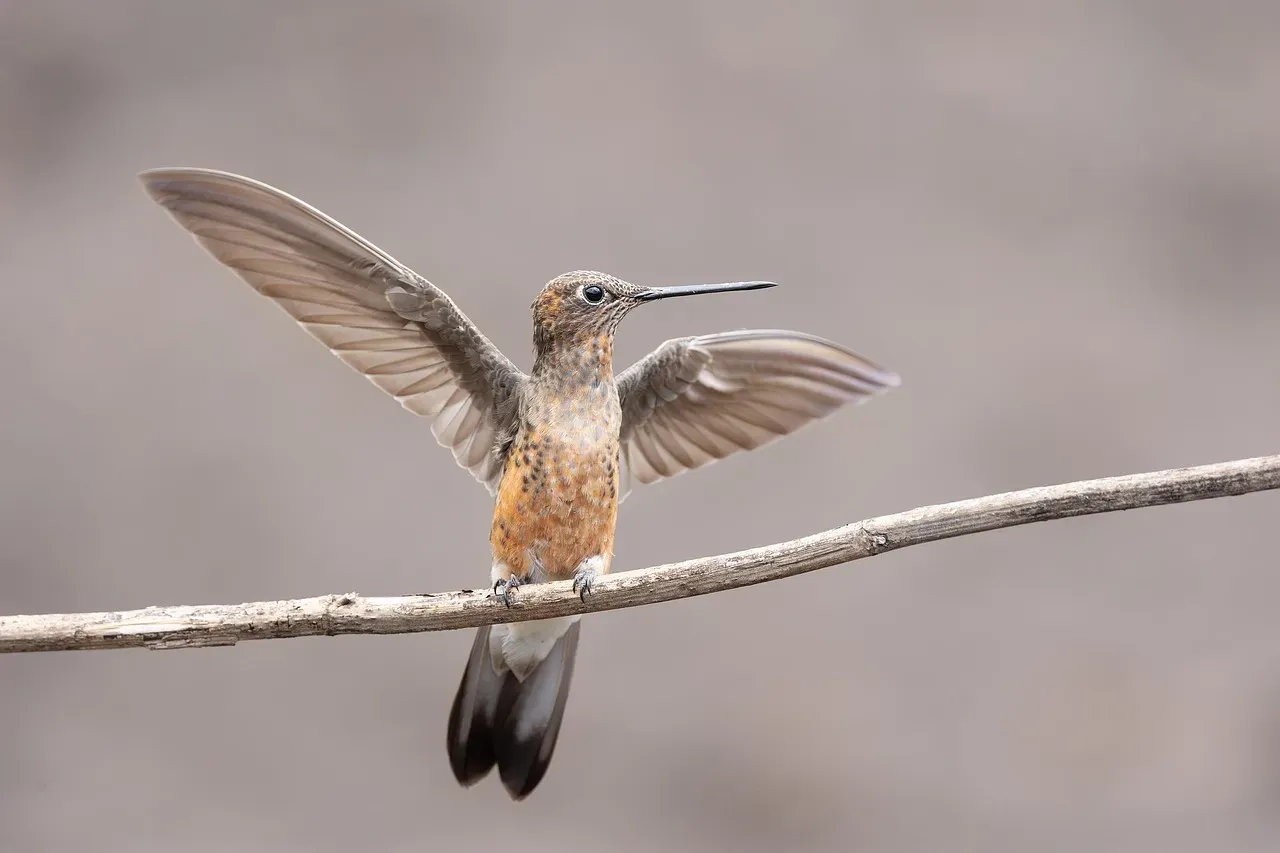
If you’ve ever spotted a hummingbird hanging lifelessly from a branch and panicked, you’re not alone. It looks alarming, but there’s a fascinating explanation. If you come across a hummingbird hanging upside-down from a branch or a feeder, there’s no need to panic; the most likely cause is sleep, or more precisely, torpor, which is a state of lowered body temperature and metabolic activity that allows hummingbirds to conserve energy.
Torpor occurs most often in cold conditions but can sometimes happen on hot days as the body’s response to save energy, and it can last anywhere from 20 minutes to an hour, so if you see a hummingbird hanging upside-down for a long period of time, the advice is simply to leave them alone and they will eventually awaken in search of nectar to recover. Torpor states reduce energy consumption by roughly 95%, which is one of the hummingbird adaptations that continues to amaze scientists. Gardens with safe, undisturbed perches in sheltered spots are quietly valued by these birds as rest stations.
#6. Bare Branches With a View
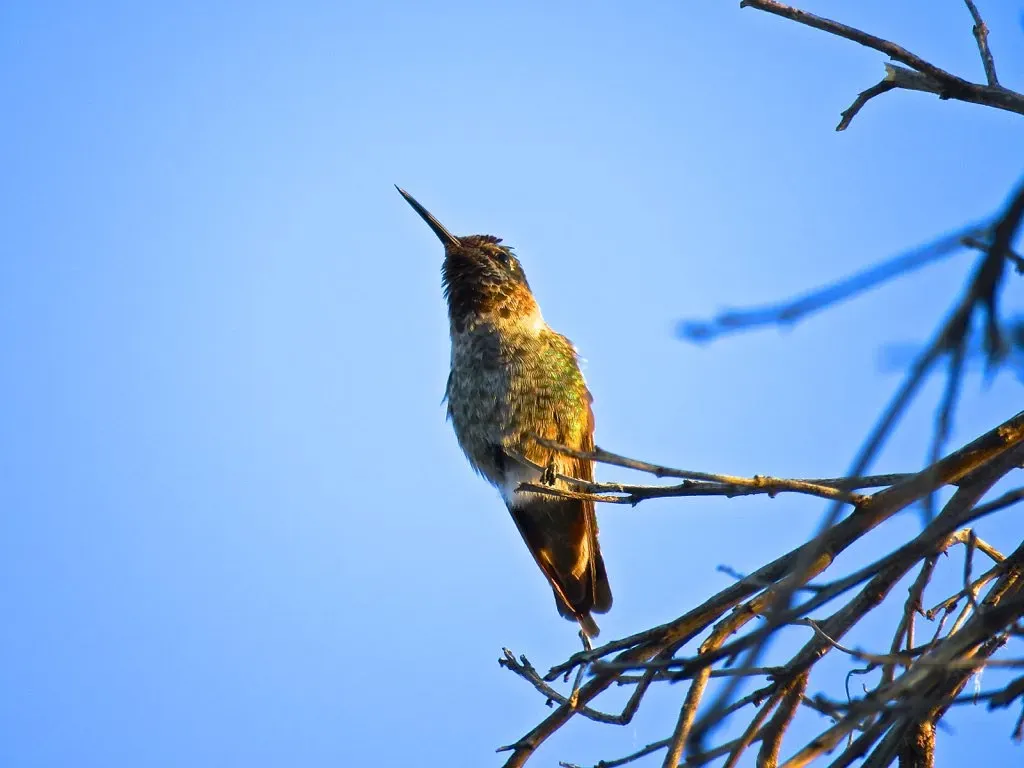
These birds burn through so much energy that they must eat every 10 to 15 minutes and visit hundreds of flowers a day, meaning they genuinely cannot afford to waste time on a garden that doesn’t pass their inspection. Part of that inspection involves finding a reliable lookout perch, something most gardeners would never think to prioritize.
A bare, swaying branch serves as a lookout post while also conserving energy. Butterfly bush, for example, provides abundant nectar almost until frost and also gives hummingbirds a place to rest on its thin stems to survey the garden for any lurking danger. A garden that offers nothing but open blooms and no perch options is a garden that hummingbirds will feed from quickly and move on from just as fast.
#7. Tubular Flowers Over Showy Blooms
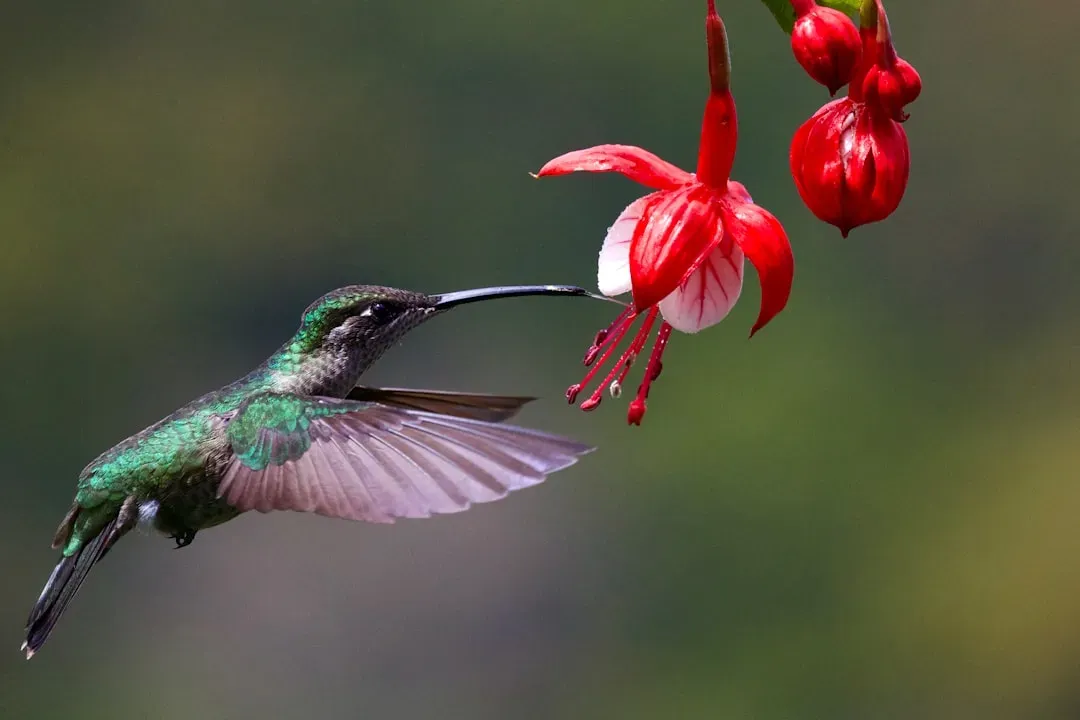
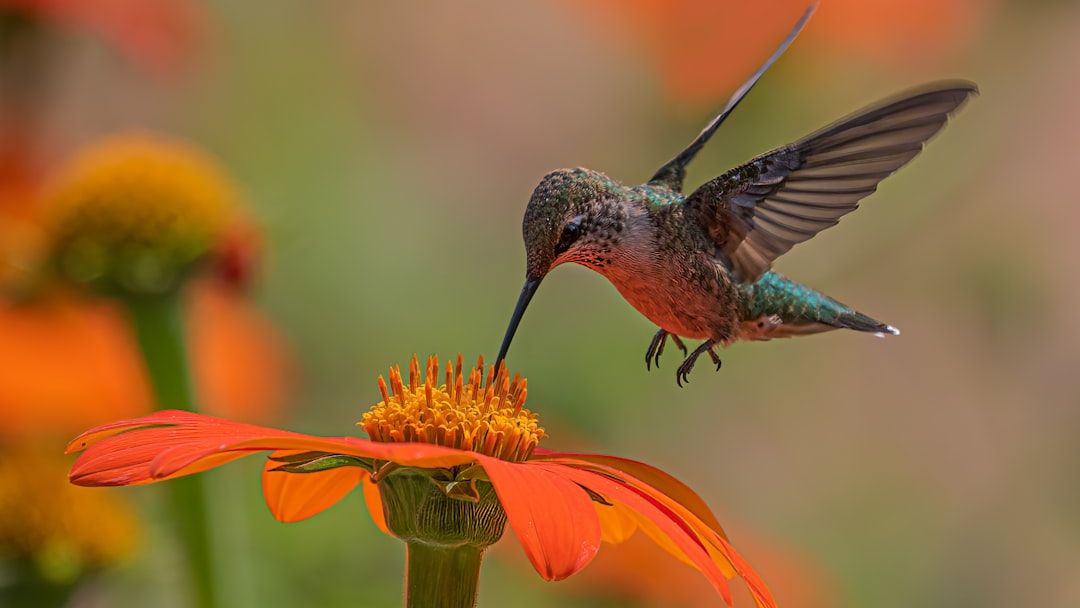
There’s a certain irony in the fact that the most elaborate, prize-winning garden flowers often mean the least to hummingbirds. Hummingbirds are drawn powerfully to tubular blooms, and this isn’t a casual preference; their bills and grooved tongues literally evolved over millions of years to probe those narrow chambers, reaching nectar that most insects can’t even access.
A garden full of flat, open blooms means every bee, butterfly, and moth is competing for the same nectar, while a garden of tubular flowers like bee balm, salvia, cardinal flower, and trumpet honeysuckle becomes essentially a private cafeteria that hummingbirds have nearly all to themselves, with less competition meaning more energy retained per visit, which for a creature running on a caloric knife-edge is not a trivial difference. The shape of the flower matters more than almost anything else you’ll put in the ground.
#8. Fuzzy, Soft Plant Material From Your “Weeds”
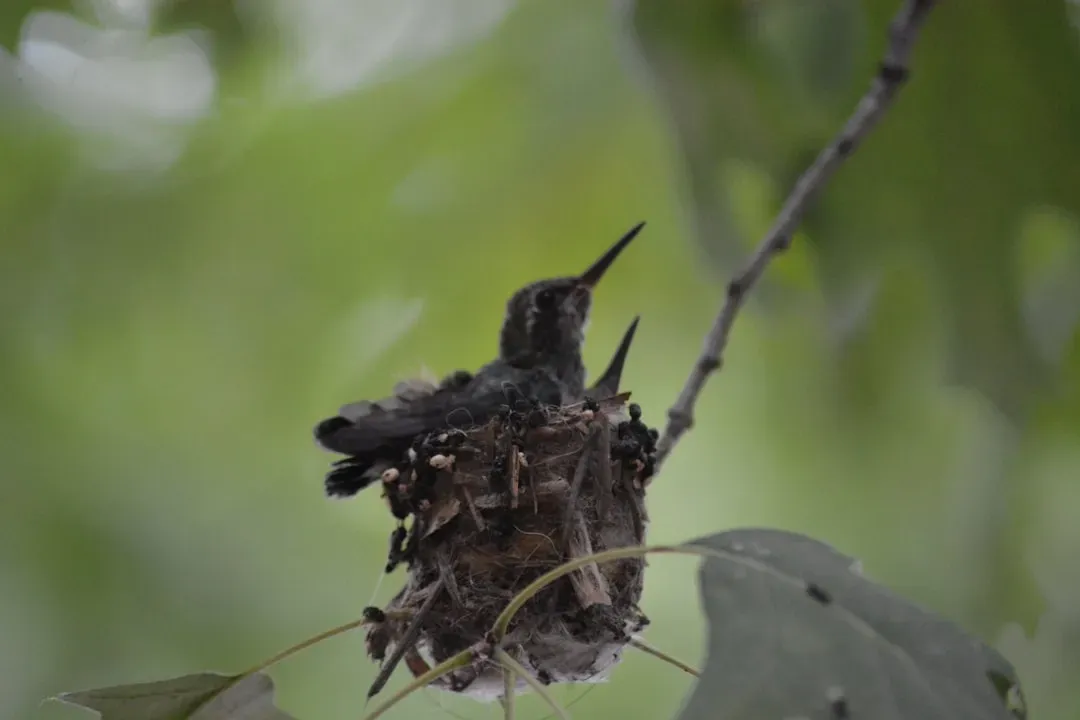
Those fluffy seed heads you’ve been deadheading and those soft-leaved plants you’ve classified as weeds? Hummingbirds might be scanning your garden specifically for them. Female hummingbirds are the ultimate recyclers when it comes to nest construction, gathering soft plant fibers, fluffy seed down, moss, lichen, and tiny bits of bark to form the base of the nest, with feathers sometimes woven in too for an extra layer of insulation for the eggs.
The nest-building skills of a female hummingbird are genuinely impressive; she first weaves a cup of soft, fluffy plant material, envelops it with moss and binds it with spider web, then adds a final layer of lichen flakes for perfect camouflage. Leaving some deliberately untidy corners of your garden with seed heads, soft grasses, and plant fluff isn’t laziness. It’s habitat provision.
#9. The Specific Angle of Morning Light
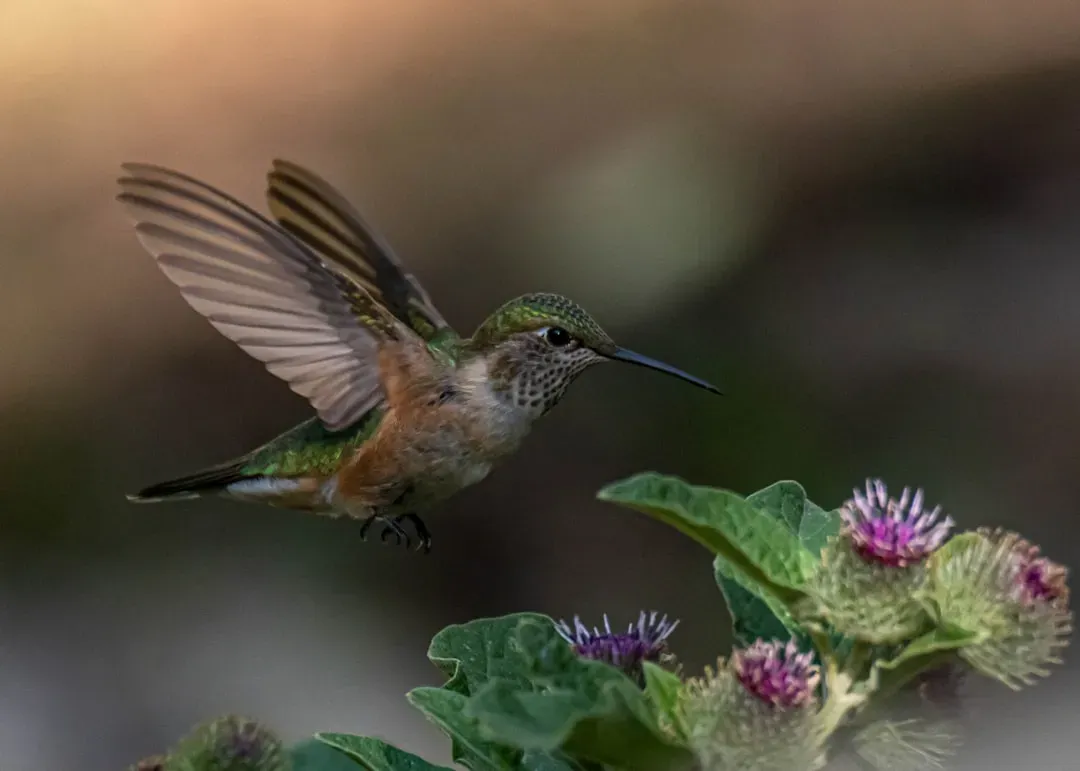
This one sounds strange, but hummingbirds are acutely visual creatures whose iridescent feathers are tied directly to light physics. Hummingbirds have superb visual acuity, seeing color even better than humans with vision that extends into the ultraviolet spectrum, and their eyes are adapted to pick out warm shades better than cooler ones, which is what led to the long-held assumption that they prefer red above all other colors.
The coveted early morning light angle, roughly between 7:15 and 8:30 in the morning, makes iridescent feathers visibly pop. During this window, territorial males are at their most visually dominant and courtship displays are most vivid. Scientists have since learned that the richness of nectar matters more than the color of its source, and these birds are quick learners who are after nourishment first. Still, positioning your feeders and flowers where they catch that early light is worth the small effort.
#10. Sap Wells Drilled by Other Birds
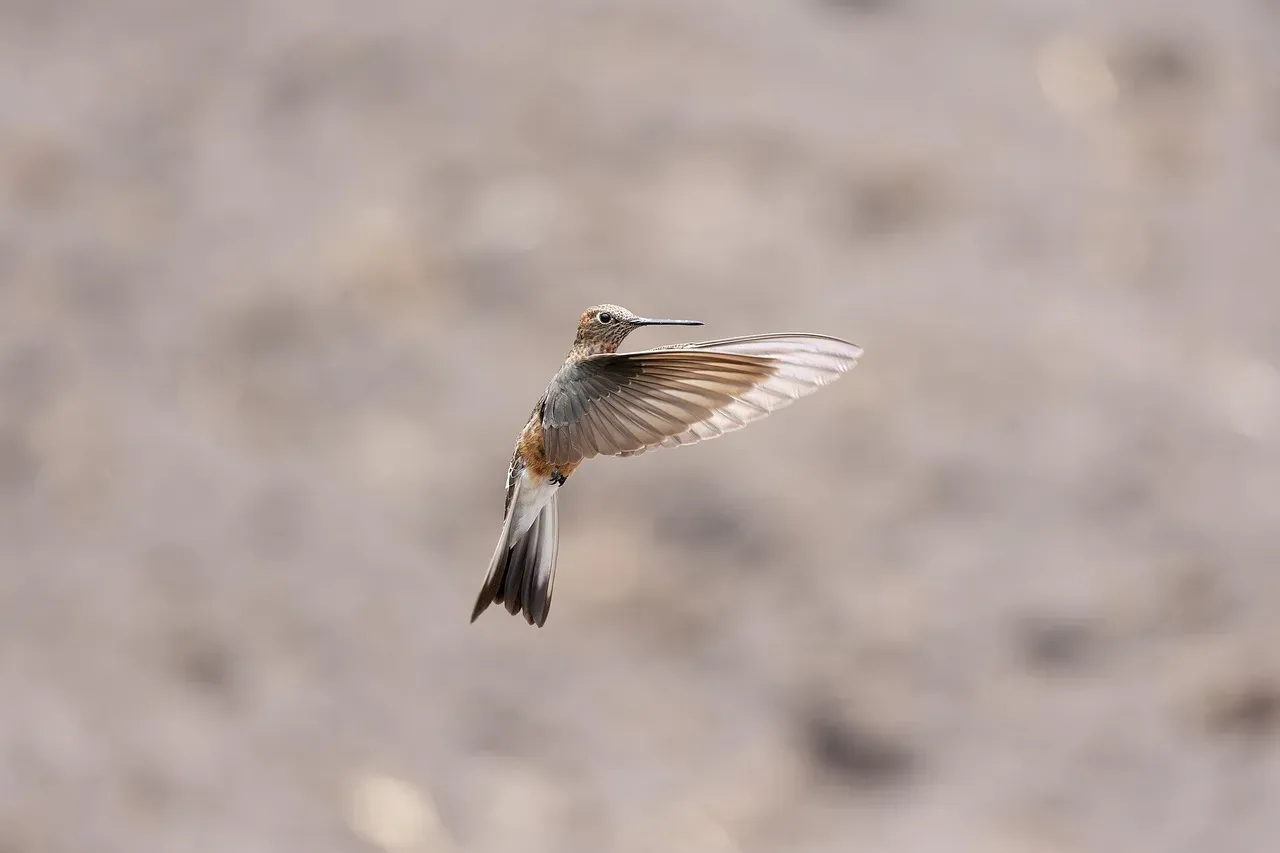
Here’s something almost no gardener ever thinks about. Hummingbirds regularly feed from sap wells created by other birds entirely. Sweet oozing tree sap has a high sugar content similar to nectar and is ideal for hummingbirds, but they can’t easily access it without help, which is where sapsuckers come in by drilling rows of sap wells into trees.
This relationship is a quiet ecological partnership that plays out in gardens everywhere without anyone noticing. You typically see hummingbirds at nectar blooms and sugar-water feeders, but they also eat tree sap and small insects when flowers are hard to find in the wild. If you have mature trees in or near your garden and notice sapsucker activity, that’s actually a bonus attraction for hummingbirds, especially during early spring before many flowers are blooming.
#11. Bill Wiping as a Stress Outlet
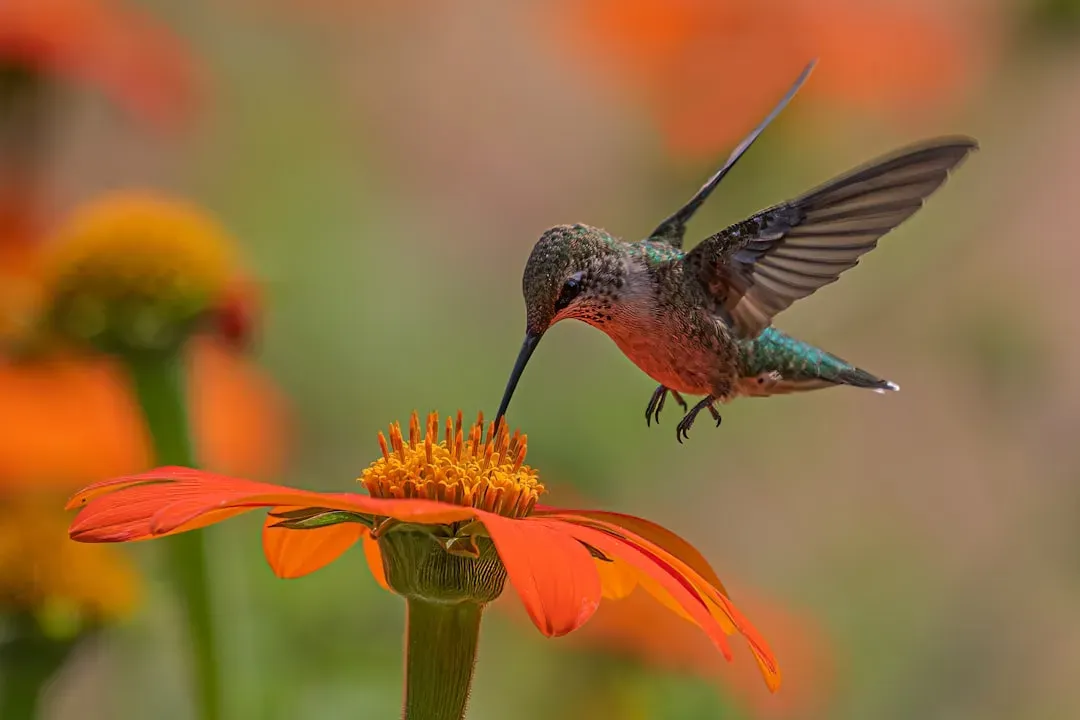
You’ve probably noticed a hummingbird rubbing its bill on a branch and assumed it was just cleaning off nectar residue. That’s partly true, but not the whole story. Bill-wiping serves several functions, most importantly keeping the bill clean and preventing pollen from caking up, but it’s also a displacement activity that birds perform when they’re uncertain what to do after unusual experiences, and it may even replace more violent interactions during territorial disputes.
Hummingbirds often rub their bills against a wire fence, a twig, or anything else that’s handy. Hummingbirds meticulously preen their feathers in a way that resembles a race car driver taking immense care to keep all parts of their vehicle in perfect working order. What looks like a casual post-feeding routine is actually a complex behavioral signal. Gardens with varied textures and accessible perch materials support this need without any extra effort from you.
#12. Territorial Disputes as a Spectator Sport
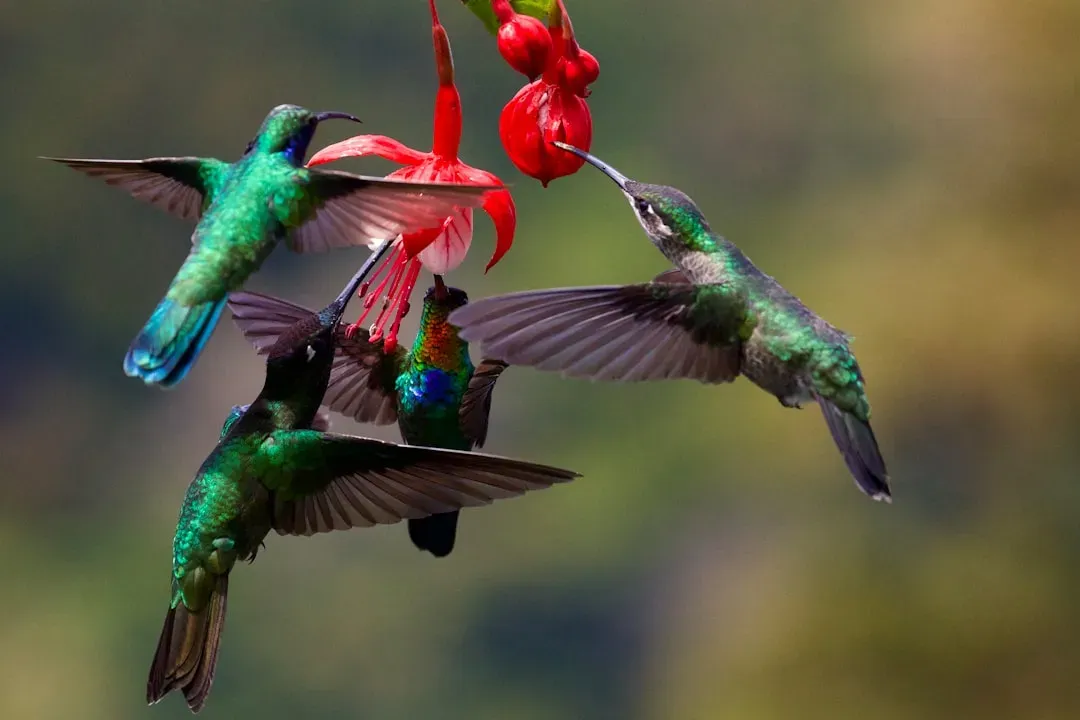
Placing multiple feeders close together and expecting peaceful sharing is one of the most common gardening mistakes. Hummingbirds are ferociously territorial, and that aggression is hardwired. This behavior isn’t random; it’s territorial, with male hummingbirds being especially bold and defending their favorite feeding spots with surprising intensity, with that territorial streak sometimes extending even to females, and during breeding season males chasing away any bird that enters what they consider their airspace.
Even at a feeder, hummingbirds practice defensive territorial behavior, and a good strategy to prevent one bird from dominating is to put up several feeders located some distance apart from each other, since if a feeder is out of sight from the others around a corner, for example, it makes it harder for one bird to control them all, and even the more aggressive bird may eventually give up and share. Understanding this quirk and working with it, rather than against it, transforms your garden into one that supports multiple visiting birds simultaneously.
#13. Memory Maps of Your Garden
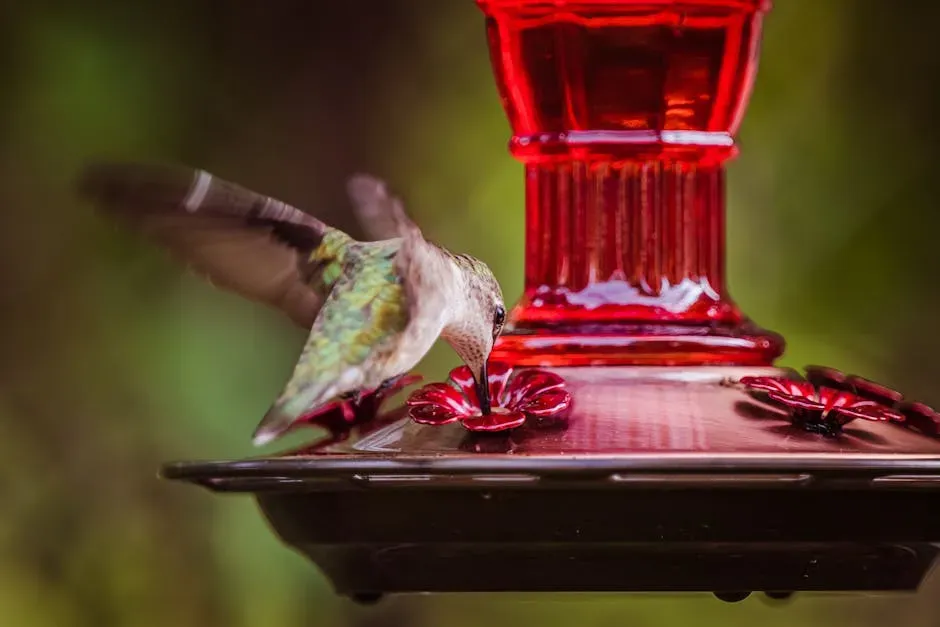
Hummingbirds are significantly smarter than their tiny frames suggest, and their spatial memory is one of their most underappreciated traits. Hummingbirds are much smarter and more organized than people expect, remembering where good food sources are, defending their favorite feeders, and following daily routines that repeat almost like clockwork, with a hummingbird that finds a reliable feeder in a yard often returning again and again.
A hummingbird’s brain is roughly 4.2 percent of its body weight, which is the largest proportion in the bird kingdom, and they can hear better and see farther than humans. This means consistency in your garden matters enormously. A feeder that’s reliably clean and filled, flowers that bloom predictably in the same spot season after season, these things register in a hummingbird’s mental map and make your garden a return destination rather than a one-time stop.
#14. Perching to Eat, Not Just Hovering
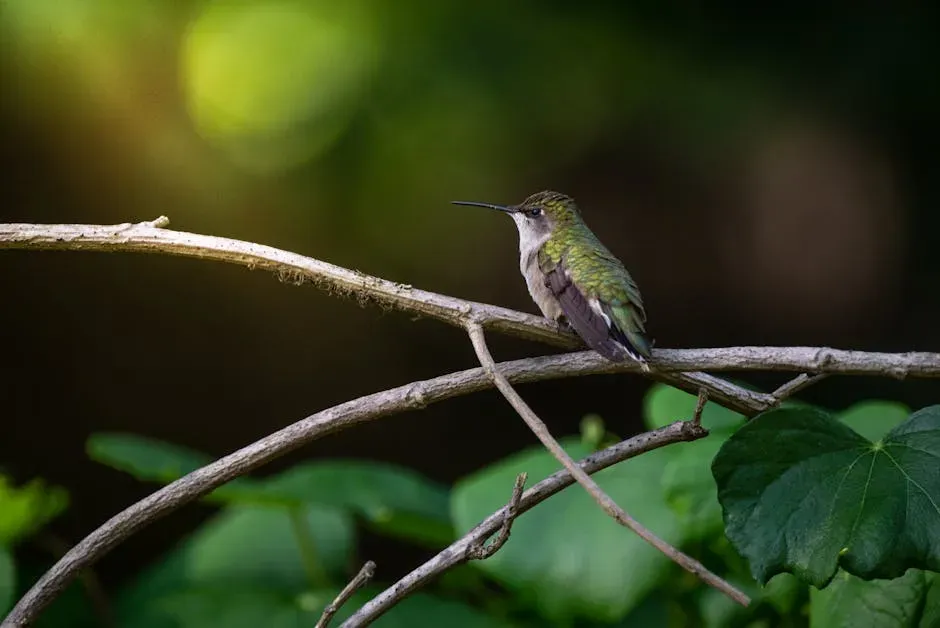
The classic image of a hummingbird is one hovering in mid-air at a flower. But given the choice, these birds will often prefer to sit down for a meal. While hummingbirds usually prefer taking nectar on the fly, they will sit and eat when there is a convenient perch near a nectar source, with some young males visiting the same flower multiple times in one morning, always feeding at it while perched.
Hummingbirds do have feet, though they work differently from many other birds since hummingbirds can’t walk, though they can shuffle, with their feet mostly used for perching and grasping, and their small feet are thought to have evolved this way to help them weigh less, which makes for more efficient and faster flight. Installing feeders with perch rings or growing flowers near natural resting spots isn’t just aesthetically pleasing. It genuinely helps the birds conserve energy.
#15. The Sound of Moving Water
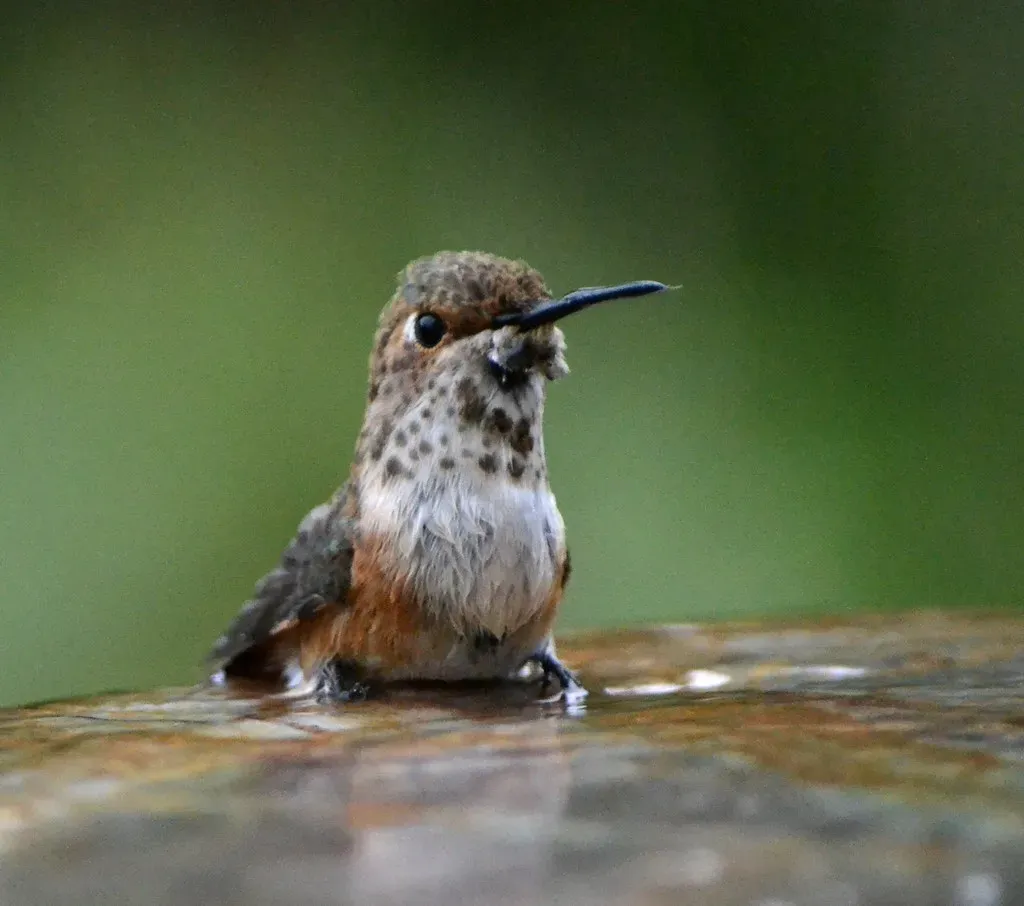
Hummingbirds navigate by sight, but moving water creates both a visual and auditory signal that draws them in from a surprising distance. Hummingbirds love fine spray, and since all birds need a source of fresh, clean water, adding a very shallow pan of water or a shallow birdbath with a bubbler, fountain, or mister instantly makes your yard more attractive to hummingbirds and other bird species.
If you add rocks and small pebbles to a shallow pan of water, butterflies, dragonflies, and other small animals can also stop to drink, and hummingbirds may try to hover over water to bathe if it’s too deep for them to land, making a well-placed rock a genuinely useful addition. The bubbling sound of even a small fountain can catch a hummingbird’s attention in a crowded garden neighborhood, cutting through the visual noise and signaling: fresh water, right here.
#16. A Garden That’s Slightly Wild and Layered
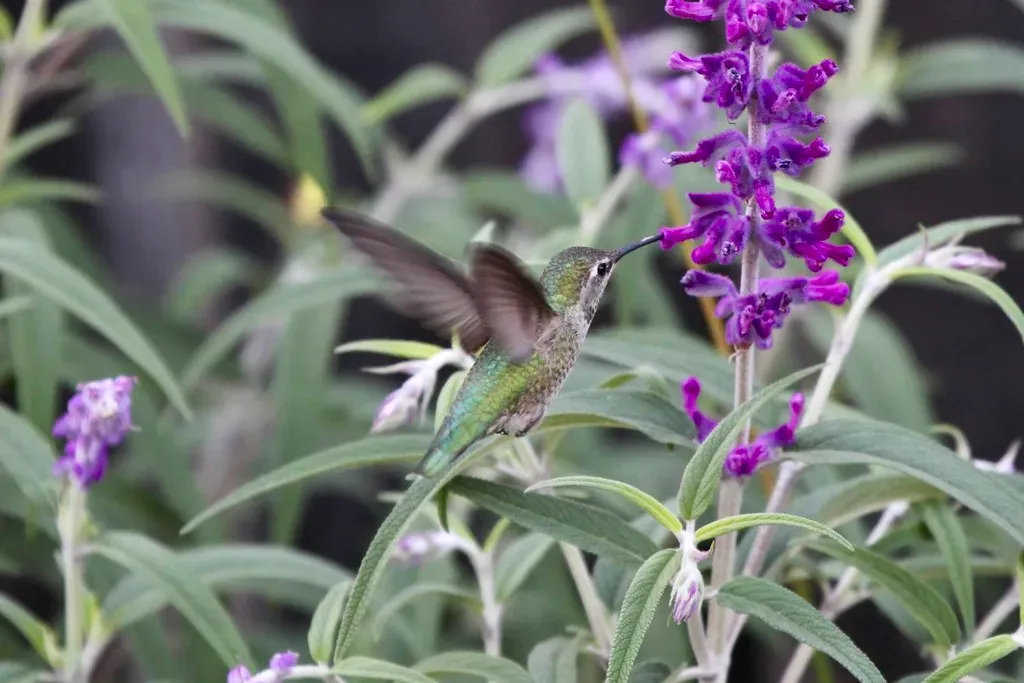
There’s a persistent myth that a beautiful hummingbird garden needs to be immaculately kept. The opposite is often closer to the truth. Most of what hummingbirds want costs nothing extra and asks you to do less rather than more, skipping the pesticides, leaving the spider webs alone, and letting the garden get a little wild and layered and alive, since the gardens that hold hummingbirds longest are rarely the most manicured.
Like most pollinators, hummingbird populations have been declining in recent years due to habitat loss, pesticides, and other stressors, and climate change has been hitting them particularly hard since they are mostly migratory, with hummingbirds increasingly migrating out of sync with the flowering plants they’ve historically relied on during spring and fall. A garden that mimics natural layered habitat, with tall lookout perches, mid-height blooms, low water sources, and messy corners for insects and web-building, is doing far more than one with a perfect lawn and a single feeder.
#17. Flowers They’ve Learned to Trust Through Repetition
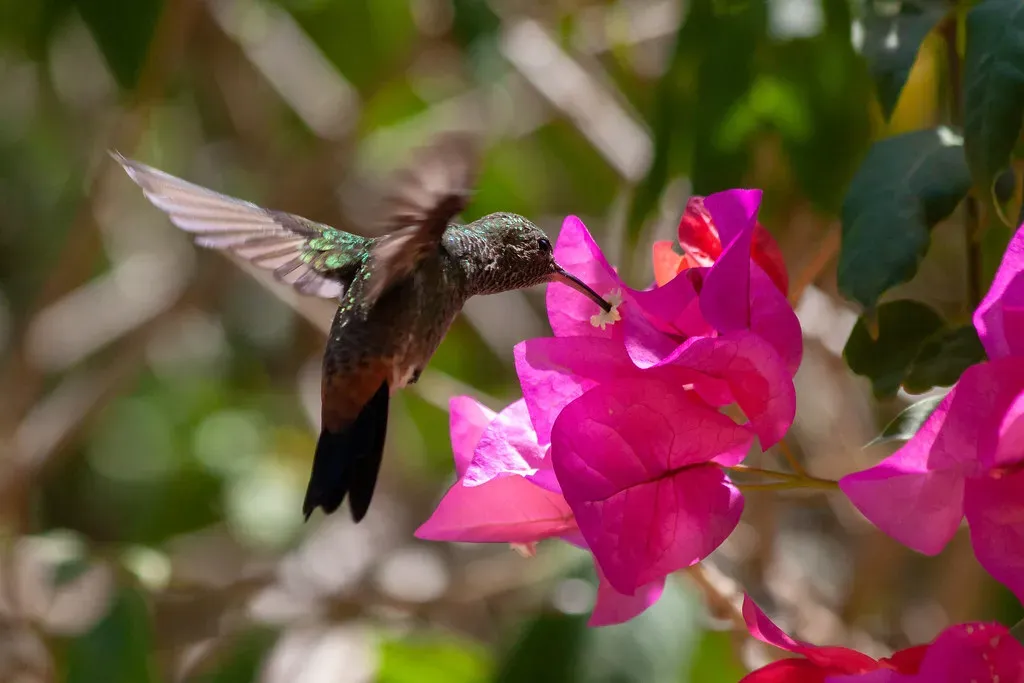
Hummingbirds don’t just respond to color and shape. They respond to reliability. Although hummingbirds do recognize the color red and learn to strongly associate it with food, they don’t exclusively visit red flowers, frequently visiting purple, orange, and yellow blooms too, ultimately seeking nectar rather than any specific color, and learning which flowers offer nourishment regardless of their hue, returning to a variety that reliably provides food.
While hummingbirds get a lot of attention for their iridescent feathers and mid-air antics, these tiny birds are highly efficient pollinators that visit somewhere between 1,000 and 2,000 flowers per day. That visit rate means they’re constantly updating their internal map of what’s worth returning to. Earn a hummingbird’s memory once, maintain the things it’s looking for, and you haven’t just attracted a bird; you’ve become a landmark on a migration route that may outlast your own garden by decades. That’s a remarkable thing for any backyard to achieve.
The Bigger Picture: What These Birds Are Actually Telling Us
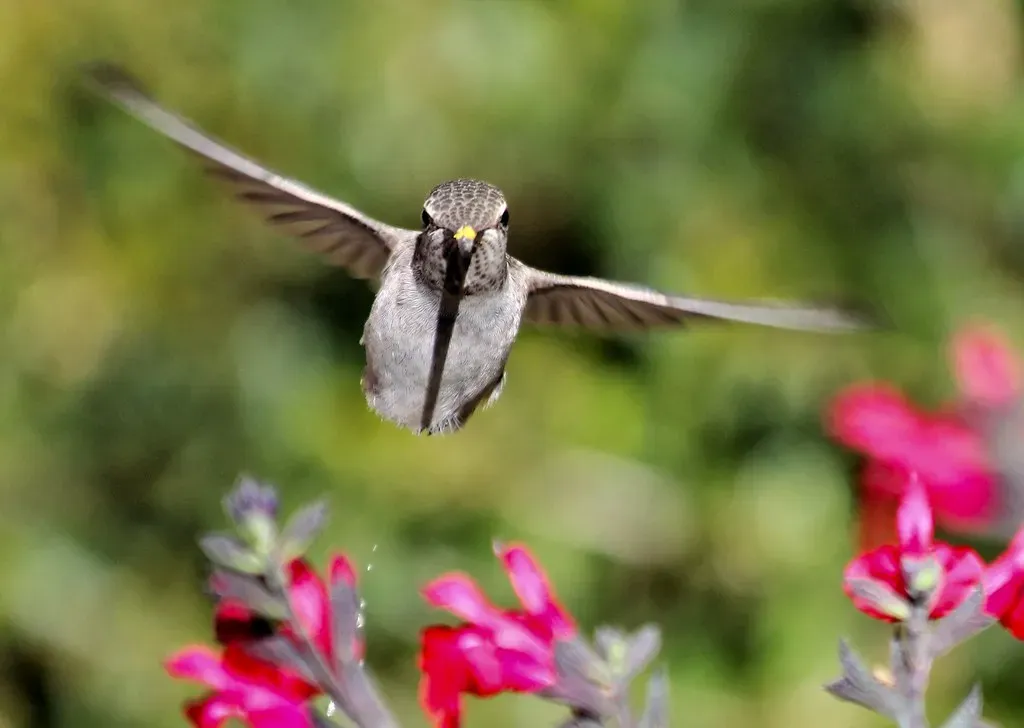
Hummingbirds aren’t difficult to attract. They’re just specific in ways that don’t fit neatly on a seed packet. The mistake most gardeners make is thinking in terms of products rather than habitat. A feeder is fine. A living, layered, insect-tolerant, spider-friendly, water-offering garden is far better.
What strikes me most about this list is how many of these preferences cost nothing at all. Leave the spider webs. Skip the pesticides. Let some corners go a little wild. Stop scrubbing lichen off your trees. The best gift you can give a hummingbird isn’t something you buy. It’s something you stop removing.
These birds have survived millions of years by being precise, adaptable, and fiercely intelligent. If your garden keeps getting passed over, it probably means you’ve been too tidy. Give them the strange, the messy, and the layered, and they will reward you in ways a feeder alone never quite manages to deliver.
Worried about unexpected vet bills?
Pet insurance can cover thousands in unexpected vet costs. Get a free quote from Lemonade in under 2 minutes.
Get My Free Quote →Sponsored · Opens Lemonade.com

- Did You Know Tigers Mimic The Calls of Their Prey - June 7, 2026
- Eagles in Alaska Are Changing Their Migration Routes - June 7, 2026
- 7 Ways to Create a Wildlife-Friendly Backyard Habitat - June 7, 2026