

Worried about unexpected vet bills?
Pet insurance can cover thousands in unexpected vet costs. Get a free quote from Lemonade in under 2 minutes.
Get My Free Quote →Sponsored · Opens Lemonade.com
#1: The Labrador Retriever

Veterinarians often recommend Labradors because their genetics help them avoid many severe hereditary diseases. Veterinary insights consistently place Labradors high on vet-endorsed breed lists for their friendly nature and physical durability. That combination of robust health and a temperament that genuinely enjoys people makes them a practical, not just sentimental, choice for families.
Labs are some of the best dogs for families, according to veterinary consultants. These dogs are very playful and easy to train. They can be very active to run around all day with kids or curl up on the couch and watch a baby sleep. That kind of adaptability is rare in any breed, and vets who see the full spectrum of dog ownership tend to deeply appreciate it. It’s not an accident that so many veterinary households have one.
#2: The Standard Poodle
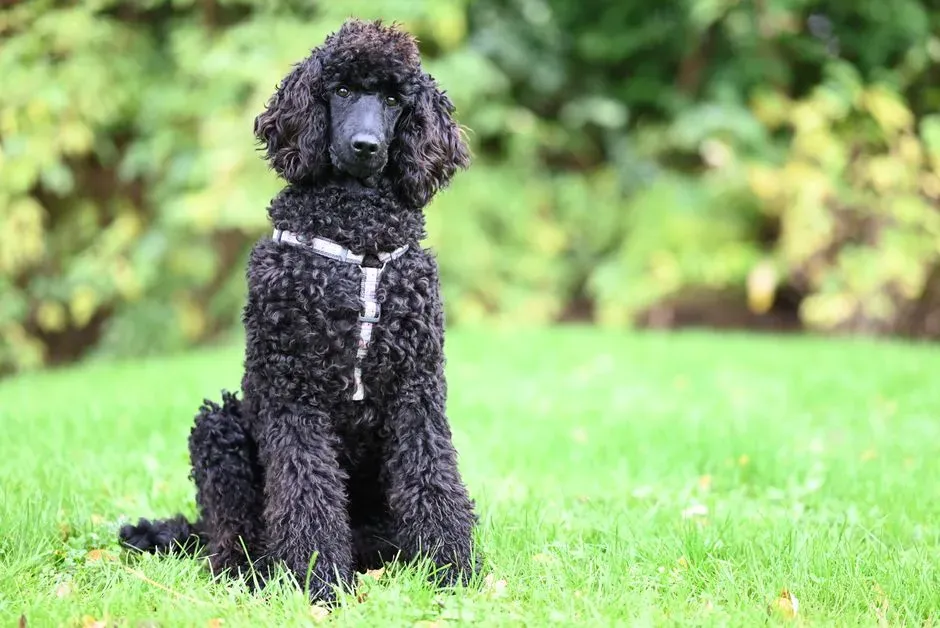
The Poodle stands out as one of the most intelligent dog breeds in the world. Veterinarians often recommend Poodles because they combine high intelligence with adaptability and relatively low shedding, which makes them suitable for people with allergies. For a vet household that may already deal with a full day of animal dander at work, that last point genuinely matters.
The standard poodle is an active, proud, and intelligent breed that can make an excellent family pet. Standard poodles, while known for their distinctive hairstyles, shed little and, with regular grooming, can look handsome whether clipped to breed standard or left natural. Poodles are generally easy to train, energetic, and fun-loving family dogs with a silly sense of humor. That playful streak often surprises new owners who expected something more rigid and formal. The reality is far more endearing.
#3: The Whippet

Whippets are great dog breeds for homes and apartments. They are gentle, quiet, and remarkably easy-going in terms of domestic behavior. Though, since Whippets were originally bred for speed and racing, exercise is a must for this athletic breed. Think of them as the sports car that’s somehow also the most relaxing passenger you’ve ever had in your home.
Sleek and speedy, Whippets are capable of reaching speeds of 35 miles per hour. These easygoing dogs love chasing toys, but their thin coats mean they can get cold easily. The trade-off for that elegant build is that you’ll want a good dog blanket for cooler nights. In return, you get a genuinely low-maintenance companion that most people outside of vet circles haven’t considered seriously. That’s their loss.
#4: The Golden Retriever

One of the most remarkable qualities of Golden Retrievers is their patience. They are incredibly tolerant and gentle, which makes them ideal for households with children. Many veterinarians consider them one of the safest breeds for families because they rarely display aggressive behavior. For a professional who spends their career assessing animal behavior, that consistency carries real weight.
Golden Retrievers are typically eager-to-please family dogs who are relatively simple to train. They approach life with a joyful and playful attitude, and they retain their youthful spirit well into adulthood. This breed typically weighs between 60 and 80 pounds and sheds moderately. Yes, there will be hair on your couch. That’s essentially the only real complaint, and most Golden Retriever owners will tell you it’s a small price to pay.
#5: The Beagle

Beagles are not only charming and friendly but also among the healthiest dog breeds. Their compact size and genetic diversity help them avoid many of the congenital health issues that plague other breeds. Beagles are known for their sturdy build and resilience, requiring minimal health care beyond the basics of vaccinations and preventive treatments. For a vet who knows firsthand what expensive hereditary conditions look like, choosing a sturdy breed is anything but accidental.
Originally bred as hunting dogs, Beagles have a strong sense of smell and love exploring their surroundings. This curiosity keeps them mentally stimulated and makes them enthusiastic companions for outdoor activities. Beagles are also extremely social animals. They enjoy being around people and other pets, which helps them adapt well to family life. One honest caveat: they follow their nose with single-minded dedication, so a secure yard is a non-negotiable.
#6: The Vizsla

Vizslas are friendly, affectionate, and highly social. They thrive on human companionship and form close bonds with their families. Their playful and gentle nature makes them great with children, though their high energy requires appropriate management. Vets who are active themselves, runners, hikers, or outdoor enthusiasts, tend to gravitate toward this breed precisely because of that energy, not despite it.
Often called “Velcro dogs,” Vizslas form strong bonds with their owners and love to be involved in every aspect of daily life. The Vizsla’s history dates back over a thousand years to Hungary, where they were bred by the Magyar tribes as hunting dogs. Known for their speed, endurance, and keen sense of smell, Vizslas were highly valued for retrieving game on land and in water. That ancient working heritage translates into a dog that’s genuinely purpose-built for partnership. They don’t just want to be near you. They want to do things with you.
#7: The Cavalier King Charles Spaniel
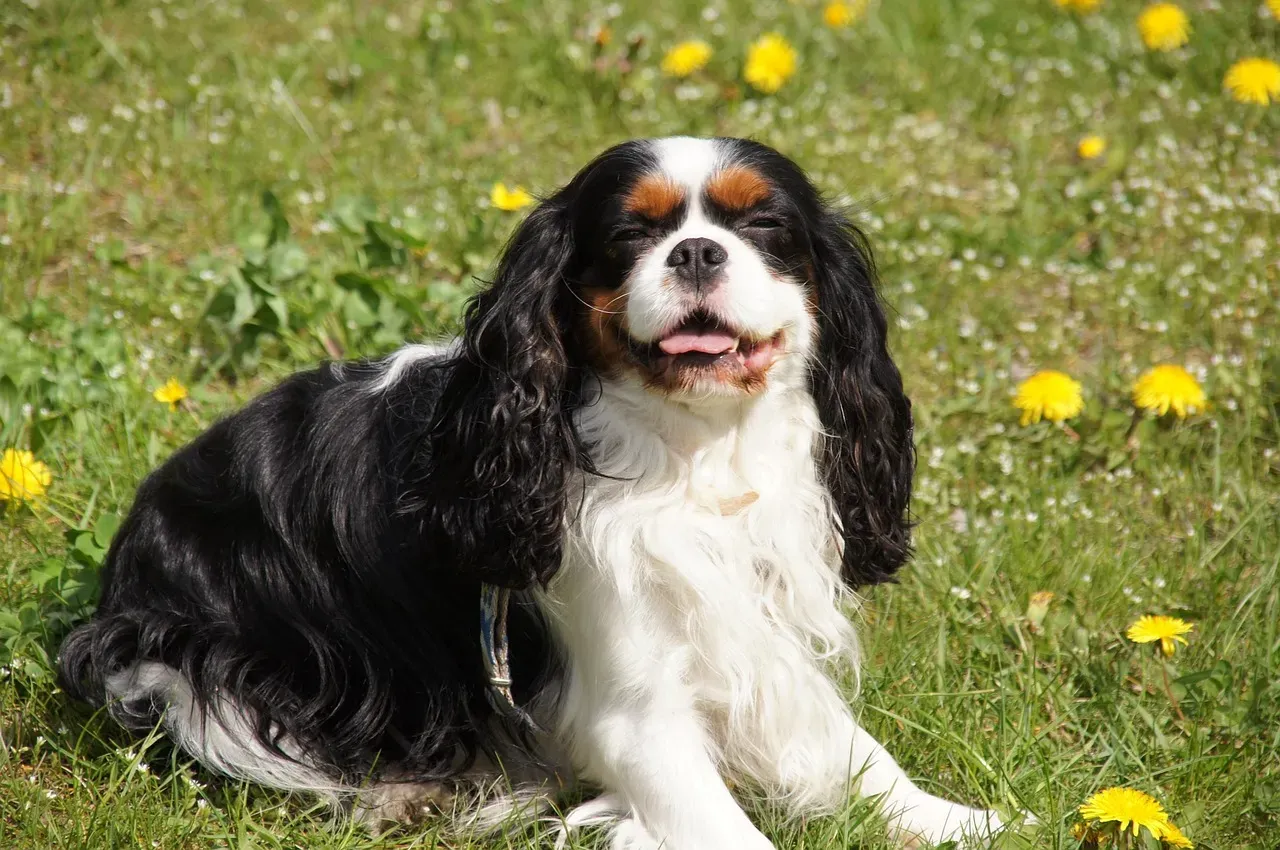
Cavalier King Charles Spaniels thrive on companionship. They enjoy spending time with their owners and often develop deep emotional connections with family members. Because of their gentle nature, they are especially popular among seniors and individuals who want a calm and loving pet. For a veterinarian with long, demanding shifts, coming home to a dog this consistently gentle is a genuine comfort.
Cavalier King Charles Spaniels are great pets for all kinds of households. They were originally bred as lap dogs for nobility and were developed to value closeness, gentleness, and attentiveness to people, rather than a specific working task. That breeding history shows clearly in their personality. Cavaliers tend to get along well with kids and other dogs. They can be both playful and cuddly, making them a great choice for families with high-energy children. Worth noting: this breed does have some known cardiac health concerns, so sourcing from health-tested lines genuinely matters.
#8: The Border Collie
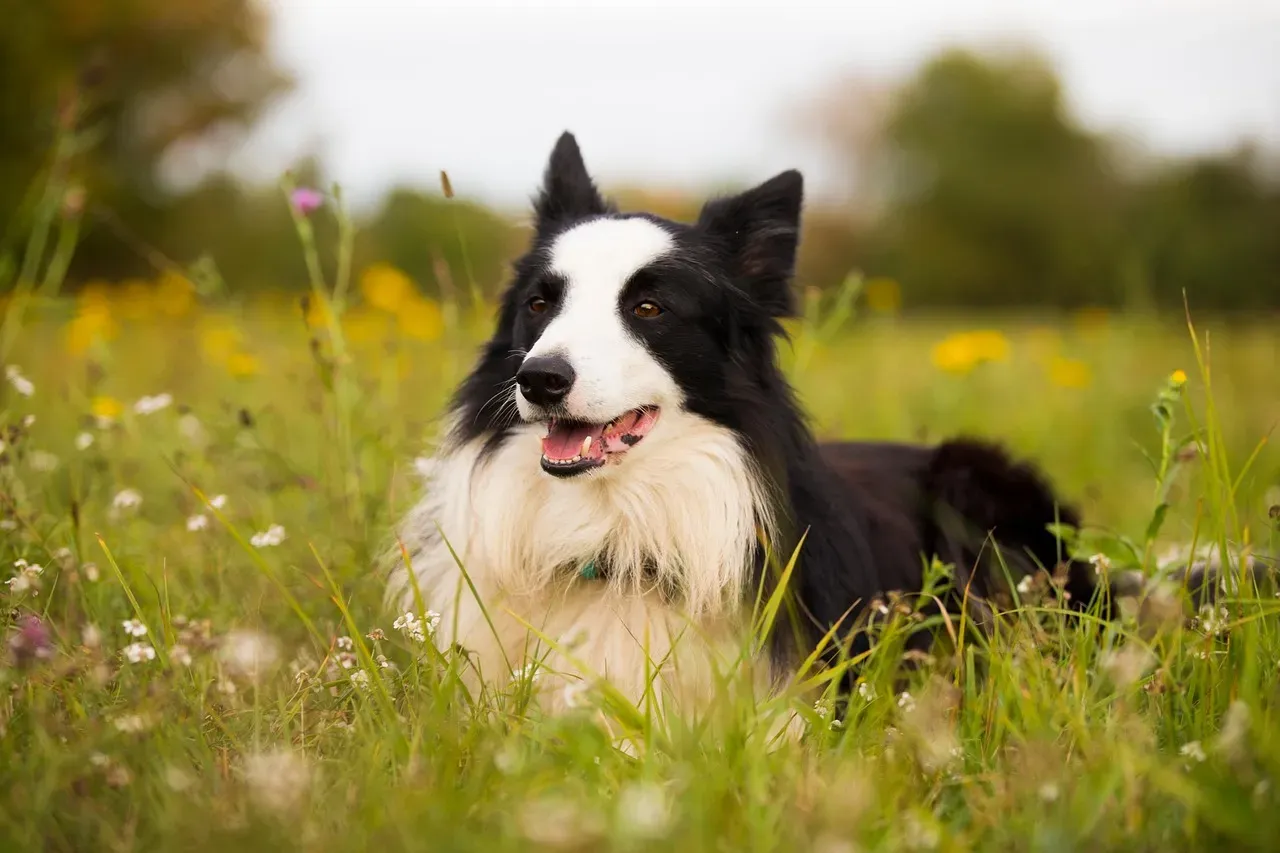
Bred as herding dogs, Border Collies are brimming with energy and need regular exercise. They enjoy having a job that provides both physical and mental stimulation and are considered one of the smartest dog breeds. Veterinary professionals who appreciate problem-solving, and most of them do, tend to find Border Collies deeply engaging to live with.
Border Collies are not only one of the most intelligent dog breeds but also among the healthiest. Their active lifestyle and herding background contribute to their overall well-being, with few genetic diseases affecting the breed. Regular physical and mental stimulation is key to keeping a Border Collie healthy, helping to avoid behavioral issues and obesity, which can lead to more serious health problems. This is a breed for people who genuinely want to be involved with their dog every day. In the right hands, they’re extraordinary.
#9: The Australian Cattle Dog
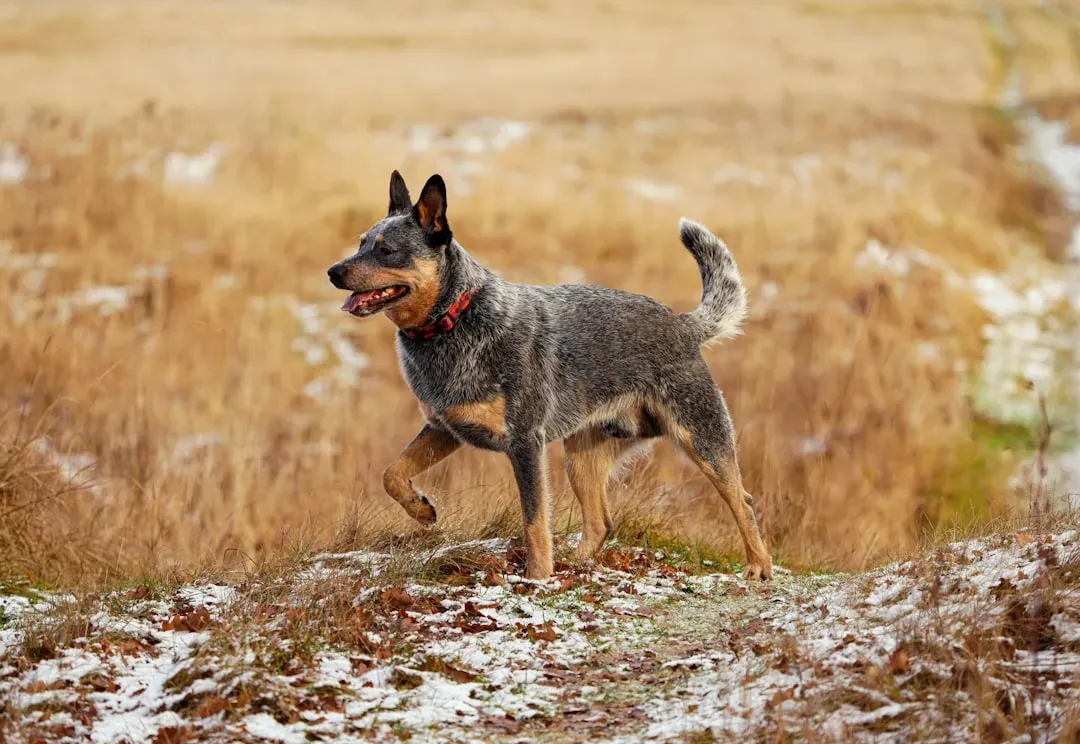
The Australian Cattle Dog is one of the healthiest dogs out there. Known for their intelligence, work ethic, and stamina, these dogs are a typically resilient breed that doesn’t face many health issues. That reputation follows them into vet offices around the country, where professionals take quiet notice of which breeds age gracefully.
Australian Cattle Dogs are known for their endurance and robust health, traits that make them stand out as one of the breeds with potentially lower veterinary costs. They’re compact, tireless, and genuinely bonded to their people. They’re also not a breed for passive owners. They need something to do, and they’ll let you know when they don’t have it. Experienced dog owners, which most veterinary professionals are, tend to thrive with them.
#10: The Greyhound
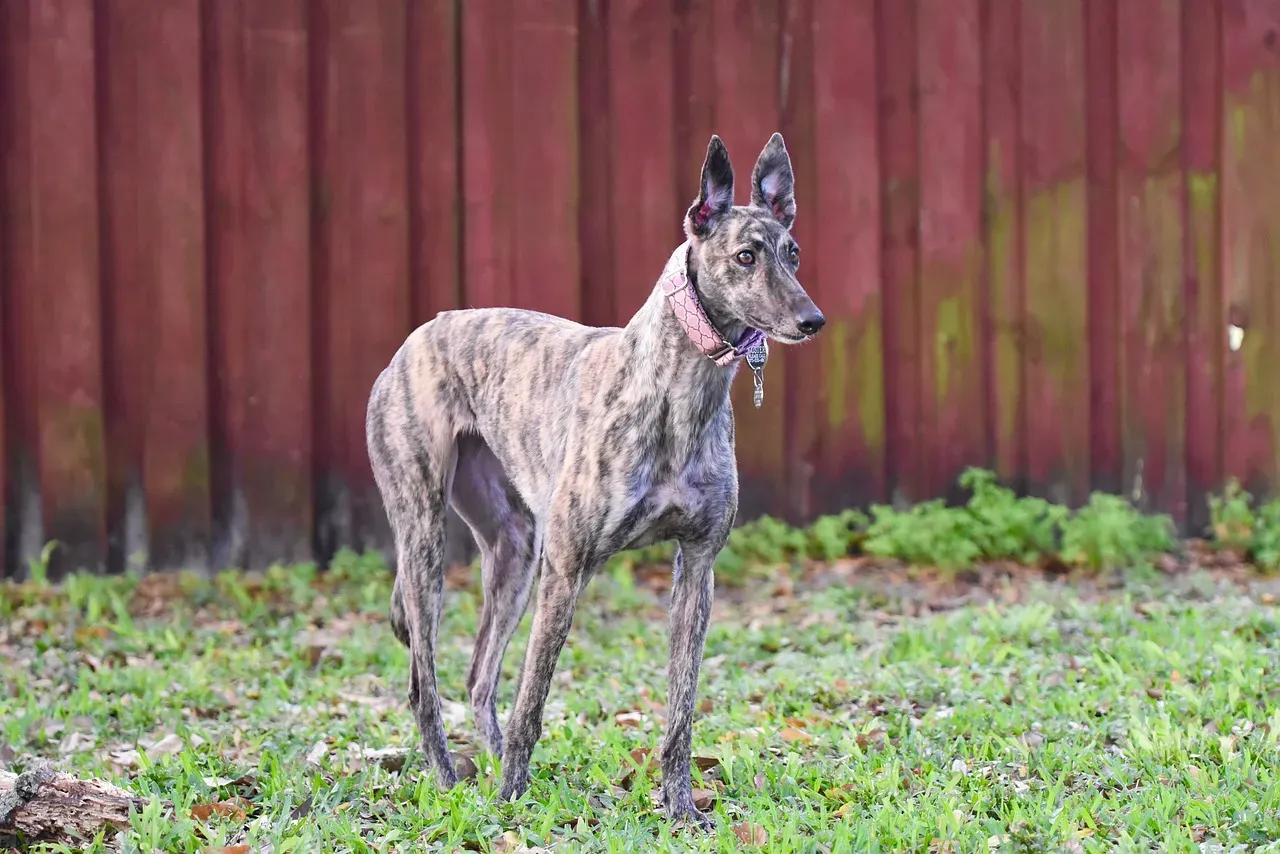
Despite their reputation for speed, Greyhounds are actually one of the best dog breeds for homebodies, and many retired racing Greyhounds transition beautifully into calm household companions. They’re also great for apartment dwellers and first-time dog owners. Most people who meet a retired racing Greyhound for the first time are genuinely shocked by how still and calm they are indoors.
After their exercise needs are met, they typically enjoy lounging on the couch and are generally considered laid-back and low-maintenance dogs with a sweet and gentle personality. Their short, smooth coat makes them a low-shedding dog with minimal grooming needs, ideal for owners looking for easy-care breeds. Vets who understand the value of a low-fuss companion often champion Greyhounds with a quiet enthusiasm that most of their clients never hear about.
#11: The Shiba Inu

The Shiba Inu, with its fox-like appearance and independent demeanor, is also among the breeds with lower health care costs. They are generally healthy, with a lifespan that reflects their robust genetic health. While they are prone to some hereditary conditions, the prevalence is relatively low. Proper care, including regular exercise and weight management, can help prevent most health issues they may encounter. That combination of longevity and lower care costs is exactly what a vet looks for when choosing their own companion.
Shiba Inus are confident, independent, and often described as cat-like. They are loyal to their families but can be aloof with strangers. They are best suited for school-age children who respect boundaries and require an experienced pet parent who understands their strong-willed nature. A robust breed, they carry a typical life expectancy of 13 to 16 years. That lifespan is one of the quiet selling points veterinary professionals note most. A dog you love for nearly two decades is not a small thing.
#12: The Miniature Schnauzer

The Miniature Schnauzer is an outgoing, family-oriented little breed. They’re sturdy, smart, and get along with kids and other animals. For a household with multiple pets and a busy family schedule, that social ease is genuinely underrated. They slot into the rhythm of a home without drama.
Miniature Schnauzers carry a big personality in a compact, manageable frame. They’re alert without being neurotic, affectionate without being needy, and sharp enough to pick up training quickly. Choosing the right dog breed can help pet owners keep vet bills low. Certain breeds with fewer genetic health issues need fewer trips to the vet. They stay healthy with a proper diet, regular exercise, and good weight management. The Miniature Schnauzer checks most of those boxes consistently, which is quietly noted by anyone who works in a clinic.
#13: The Irish Setter
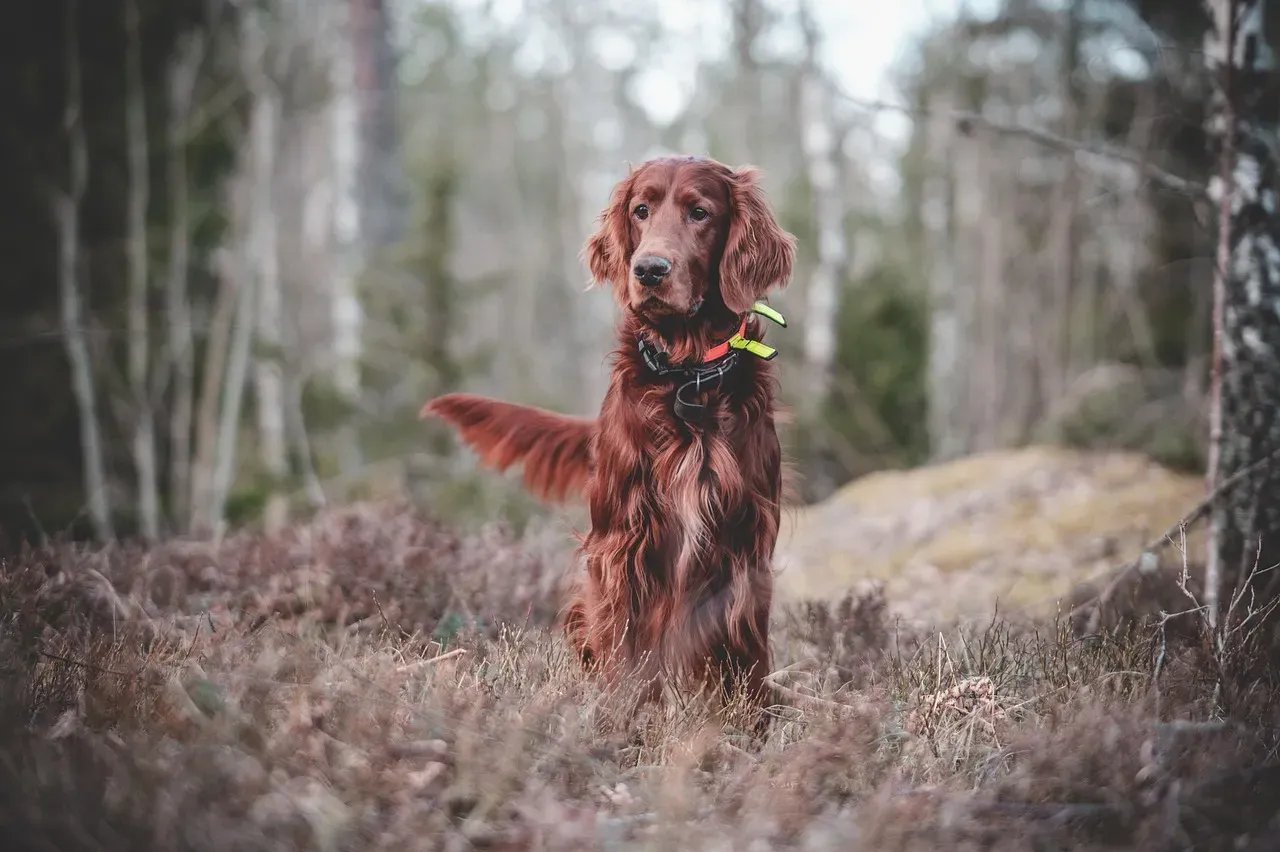
Irish Setters are intelligent and easily trainable, which is important to consider when choosing a dog. These dogs are playful, energetic, and love being around people, especially kids. There’s a warmth and enthusiasm to them that’s hard to replicate in any other breed. They fill a room in the best possible way.
A slightly larger breed to consider, the Irish Setter typically weighs around 65 pounds and can make a great family pet. These dogs are lively, intelligent, and have a great sense of mischief. Irish Setters love to chase balls, go for long runs, and also enjoy playing in the backyard with children. Vets who recommend them privately often note that they’re one of the most joyful breeds to be around long-term. They don’t know how to have a bad day, and it’s contagious.
#14: The Portuguese Water Dog
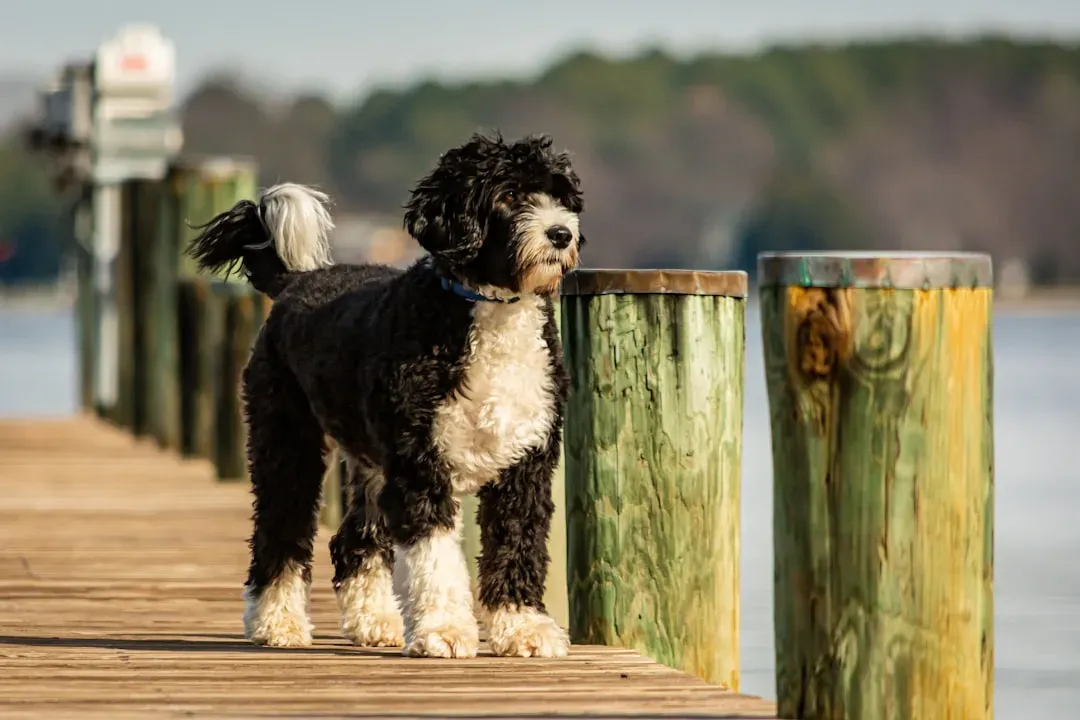
Portuguese Water Dogs are exceptionally smart, easy to train, and eager to please. Bred to be a fisherman’s helper, they are well suited to handle dog sports such as agility, therapy work, tracking, and water work. They make great family pets, and their webbed feet are a genuine delight. That historical background as a working partner explains why they bond so deeply with an active family.
Portuguese Water Dogs are generally healthy. Their ears should be checked regularly for signs of infection, and teeth should be brushed often. Beyond those routine considerations, they’re a remarkably low-drama breed. Smart enough to stay entertained, athletic enough to keep up with active families, and gentle enough to be trusted with children. The fact that they’re not on every recommendation list is somewhat baffling.
#15: The Jack Russell Terrier

The Jack Russell Terrier is chaos in the most affordable and lovable package. Tough, healthy, and a little athlete, the Jack Russell Terrier is one of the cheapest dog breeds to own because they are generally healthy and hardy animals. Vets who’ve seen the true cost of chronic illness in certain breeds develop a real appreciation for that toughness over time.
Jack Russell Terriers are some of the best dogs for kids thanks to their vibrance. These dogs can be very high energy and love to run and play. Jack Russells are very famously hardy and sturdy dogs that don’t rack up vet bills the way more fragile breeds do. Originally bred to hunt foxes across the English countryside, these hunting dogs are born tough and resilient with a stamina for active, demanding work. The energy level is real and should be respected. Match it with the right home and they’re nothing short of spectacular.
#16: The Mixed-Breed Dog

Mixed-breed mutts can make wonderful family dogs. These dogs can be just as good with children as purebred dogs, and they are less prone to genetic diseases and cost less to care for. Many veterinarians quietly place the well-chosen mixed-breed at the very top of their personal list, knowing everything they know.
Mixed-breed mutts can make loving and loyal family dogs. These dogs can be as good with children as purebred dogs. Mutts also tend to be less susceptible to genetic diseases and less expensive. If you are considering a mutt for your family, be sure to take your time to visit local animal shelters and be patient in your search for the right dog to fit in with your family life. There’s a certain poetry in the fact that a profession built entirely around animal health so often lands on the dog without a breed standard. The evidence, ultimately, speaks for itself.
The Bottom Line: What Vets Know That Most People Don’t

Here’s the thing nobody at the clinic counter usually says outright: the most popular dog on Instagram is rarely the easiest dog to live with for fifteen years. Veterinary professionals carry a perspective shaped by thousands of exam room conversations, late-night emergencies, and the quiet satisfaction of watching certain dogs just thrive.
It’s important to choose a breed that works well with your lifestyle. Are you often out of the house? Can you make time for activities with your dog? The best breed for you is not the prettiest nor the most popular, but the one that can support your lifestyle. That advice sounds simple. Living by it takes a little more honesty with yourself than most prospective dog owners expect.
The breeds on this list aren’t a secret for any sinister reason. They just don’t have the loudest marketing campaigns or the most viral moments. What they have is a track record. Healthier lives, more manageable temperaments, and a genuine ability to fit into the real, messy, wonderful rhythm of a family. Vets see that record written in every visit, and when it’s their own front door they’re choosing for, they choose accordingly. Maybe it’s time the rest of us paid a little closer attention to what’s already in their driveway.
Worried about unexpected vet bills?
Pet insurance can cover thousands in unexpected vet costs. Get a free quote from Lemonade in under 2 minutes.
Get My Free Quote →Sponsored · Opens Lemonade.com

- Did You Know Tigers Mimic The Calls of Their Prey - June 7, 2026
- Eagles in Alaska Are Changing Their Migration Routes - June 7, 2026
- 7 Ways to Create a Wildlife-Friendly Backyard Habitat - June 7, 2026