

Worried about unexpected vet bills?
Pet insurance can cover thousands in unexpected vet costs. Get a free quote from Lemonade in under 2 minutes.
Get My Free Quote →Sponsored · Opens Lemonade.com
There’s a quiet heartbreak playing out in shelters across America, and it happens more often than most people realize. A family falls in love with a dog, signs the paperwork, brings him home – and then, within weeks or months, he’s back in a kennel, confused and waiting again. Research suggests that roughly six in ten adopted pets are no longer in their adoptive homes six months after their initial adoption, and about two in ten are returned directly to the original shelter.
The dogs in this article aren’t bad dogs. Not one of them. Bringing home a dog should feel like a forever decision, yet some breeds land back in shelters more than others – and it’s rarely about a bad dog; it’s more about a mismatch between needs and lifestyle. Understanding those mismatches before you adopt could change everything, both for you and for the dog whose kennel card keeps getting reprinted.
#1: Pit Bull Terrier

The Pit Bull Terrier is the most common dog breed in shelters across America’s largest cities, accounting for nearly twenty-two percent of all dog adoption listings. They’re adopted frequently, loved enthusiastically – and returned at rates that would make your heart sink. The cycle is relentless and largely preventable.
Despite their affectionate and loyal nature, Pit Bull Terriers are frequently returned to shelters due to misconceptions about their temperament, and many owners are simply unprepared for the level of training and socialization these dogs require. Add in housing restrictions and breed-specific legislation in many municipalities, and you have a breed that faces obstacles before they’ve even had a fair chance at a new beginning.
#2: German Shepherd
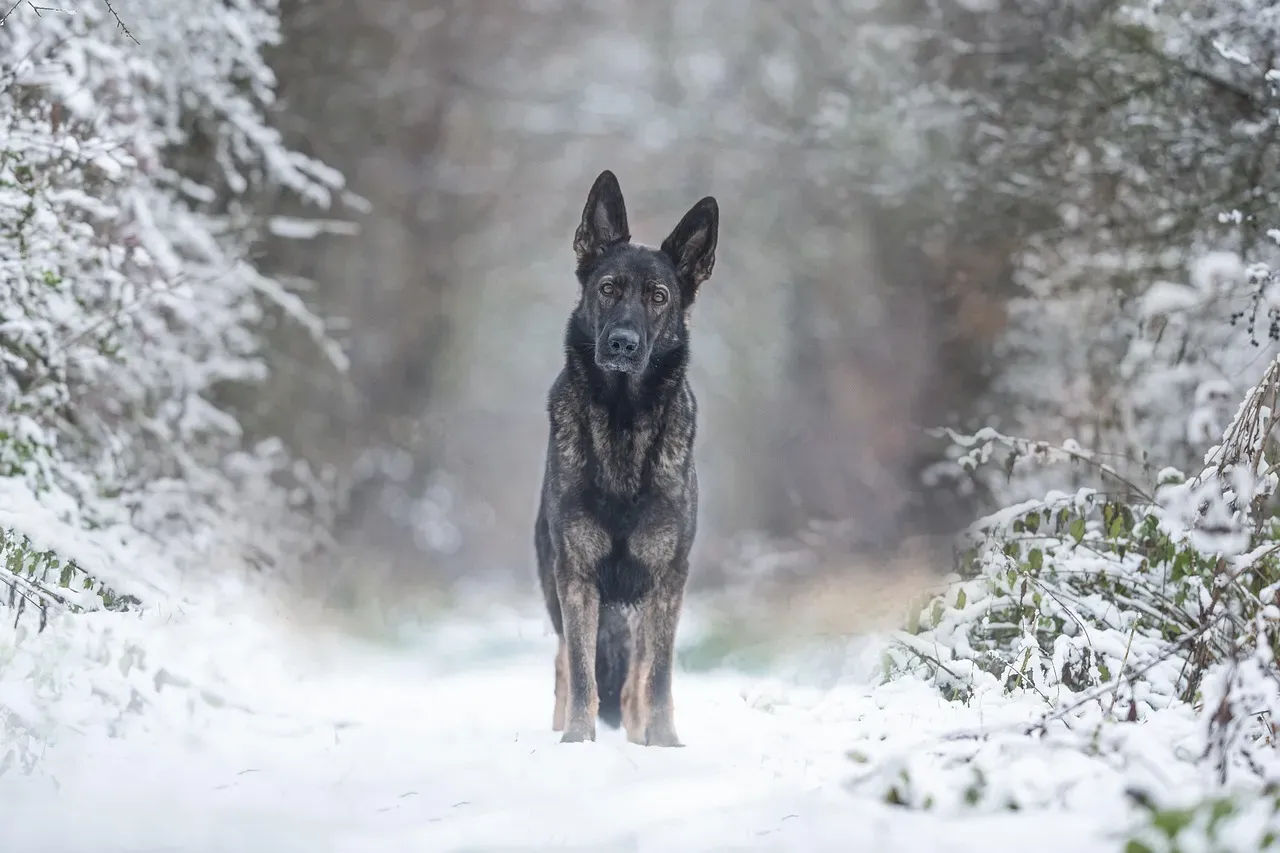
German Shepherds are the second most common breed found in American shelters, making up over eleven percent of shelter dog listings nationwide. They’re brilliant, loyal, and deeply bonded to their people – which is precisely what makes returns so painful for both dog and family.
German Shepherds are a very popular pet in the United States, and prolific breeding has brought about an excess number of dogs getting dumped in shelters or found as strays, with many coming from poor backgrounds that lack both the proper health and temperament of a dog from a reputable breeder. When a family adopts a German Shepherd without understanding their need for structure, mental stimulation, and consistent leadership, behavioral issues surface quickly – and the clock on that six-month return window starts ticking fast.
#3: Siberian Husky
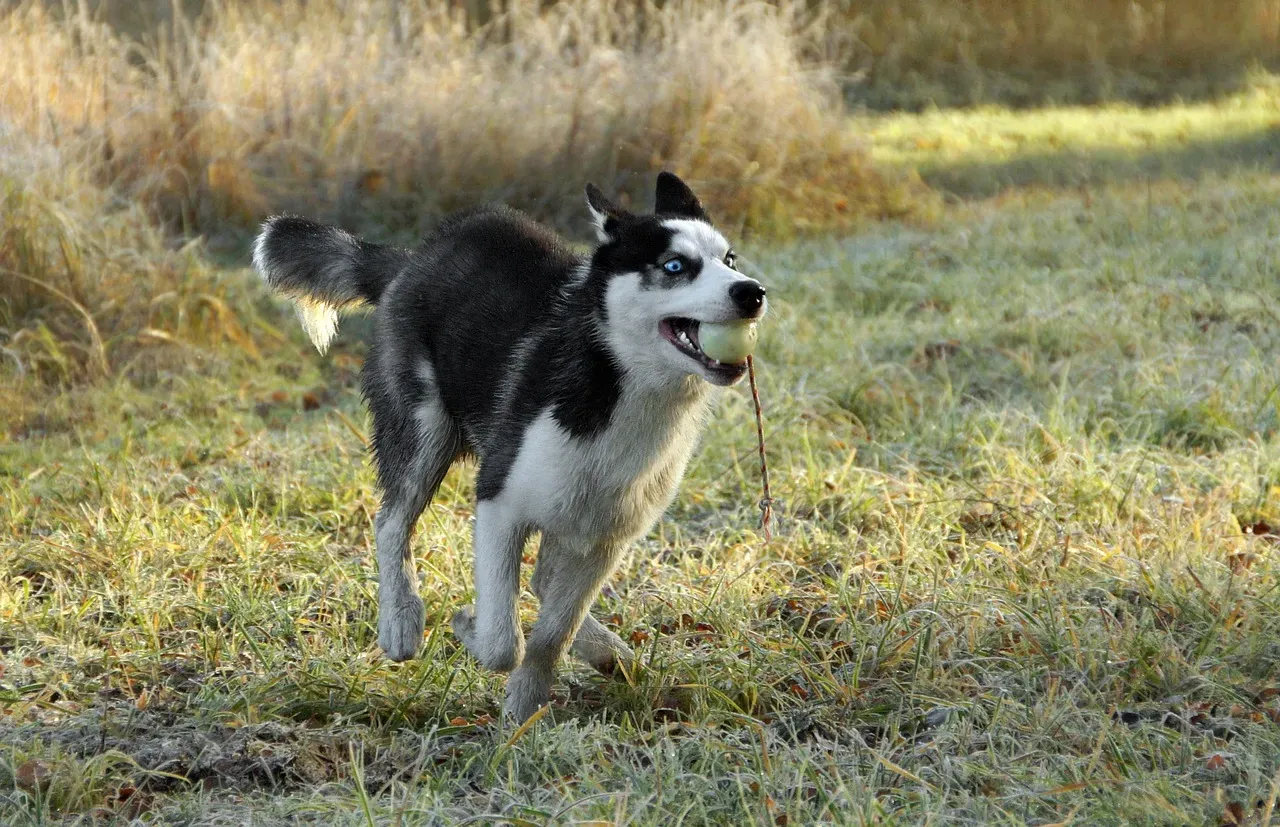
Siberian Huskies look breathtaking, but their energy can steamroll unprepared owners. Bred to run for miles, they need vigorous daily exercise, mental games, and secure fencing to curb escape artist habits – and without that outlet, you see digging, howling, and destructive boredom that pushes families to surrender.
Huskies are also independent and vocal, which surprises people wanting an always-obedient dog. Their prey drive can challenge homes with cats or small pets, and their thick coat sheds heavily year-round. Rescue volunteers will tell you that a Husky adopted by a family living in a small apartment with no yard is almost certainly coming back. Stories of Huskies being returned twice for being too energetic are not unusual – they’re practically expected.
#4: Labrador Retriever

The Labrador Retriever, one of America’s most beloved dog breeds, is also one of the most common dog breeds in shelters all over the country – and their excellent reputation as loving and loyal pets could be their downfall, due to over-breeding to meet demand. Everyone wants a Lab. Not everyone is ready for what that actually means day to day.
Labrador Retrievers are often seen as the perfect family dog, but their high energy levels can be overwhelming. Their enthusiasm for life is infectious, but they need constant stimulation, and this sometimes leads to them being returned when new owners can’t keep up – their desire for adventure can be a real handful, especially for those unprepared for their boundless energy. Labs remain puppies in spirit for the first two to three years of their lives, something that genuinely catches families off guard.
#5: Chihuahua
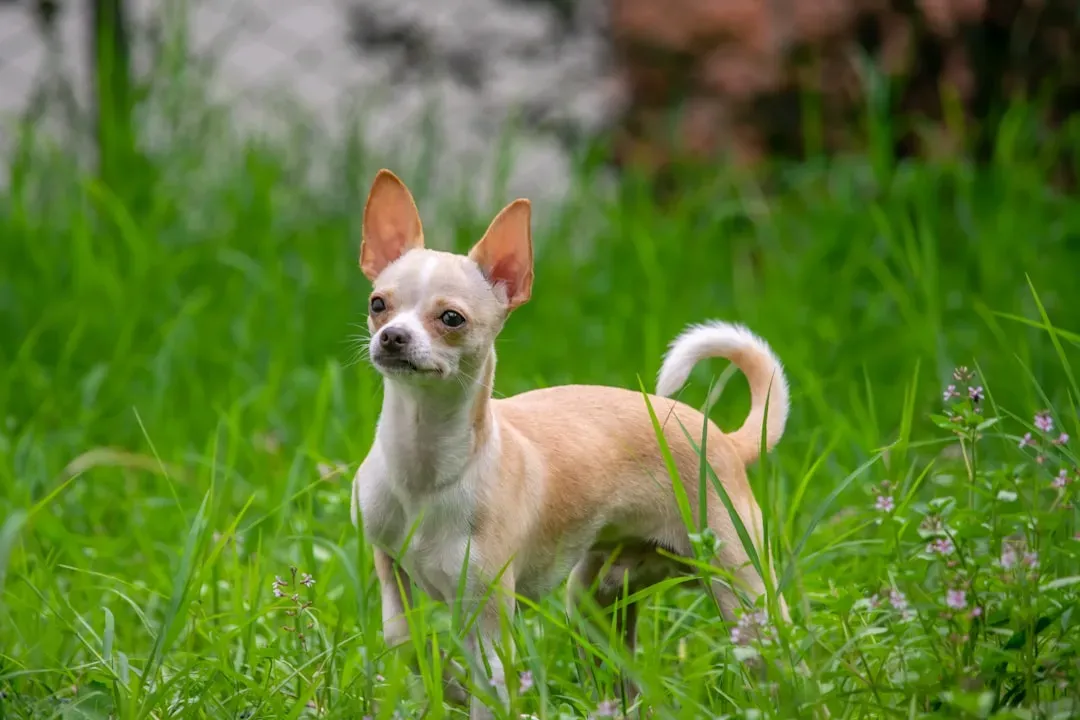
Chihuahuas and Chihuahua mixes make up a huge portion of dogs available in shelters and rescues around the country. These popular dogs are often raised without any training, making the cute puppies turn into obnoxious, uncontrollable adults that end up homeless when their owners give them up. The size is deceiving. People assume small means easy.
Chihuahuas are often treated like fragile accessories instead of actual dogs, and a lack of boundaries turns them into anxious, snappy reactors who guard everything. They need socialization, structure, and training, but many owners skip all that. By the time the nipping starts or the anxiety becomes unmanageable, the family is already halfway to the shelter door. Chihuahuas are also among the breeds most at risk once they return, with rescue groups noting their high vulnerability within overcrowded systems.
#6: Rottweiler
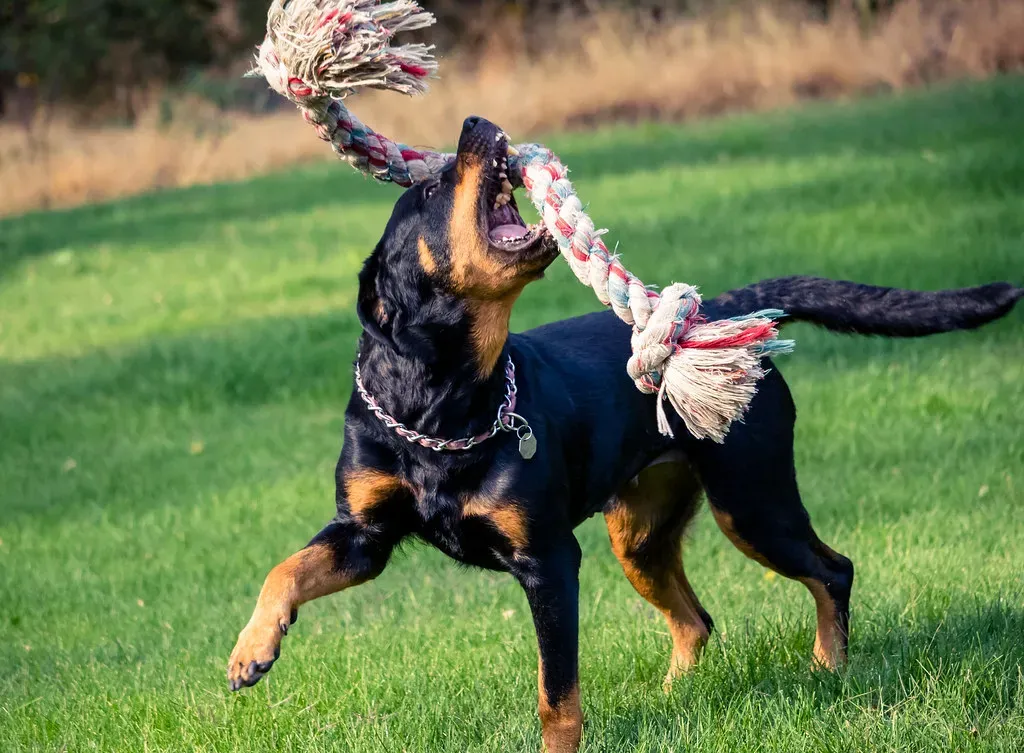
Rottweilers are very commonly found in shelters for a variety of reasons: they are active dogs that need regular exercise to prevent destructive behavior, they are large and powerful dogs that need early training to establish control, and they can be very protective of their family and territory. In the right home, they are exceptional companions – steady, deeply loyal, and surprisingly gentle.
American Staffordshire Terriers and Rottweilers can face many of the same adoption hurdles as Pit Bulls due to similar breed stigma and housing restrictions – barriers that keep well-behaved, loving dogs in shelters longer, not because of their temperament, but because of misconceptions and rules that limit where they can live. A Rottweiler placed in a home without the confidence or experience to handle a dominant breed will test limits, and families often reach their limit faster than anyone expected.
#7: Belgian Malinois
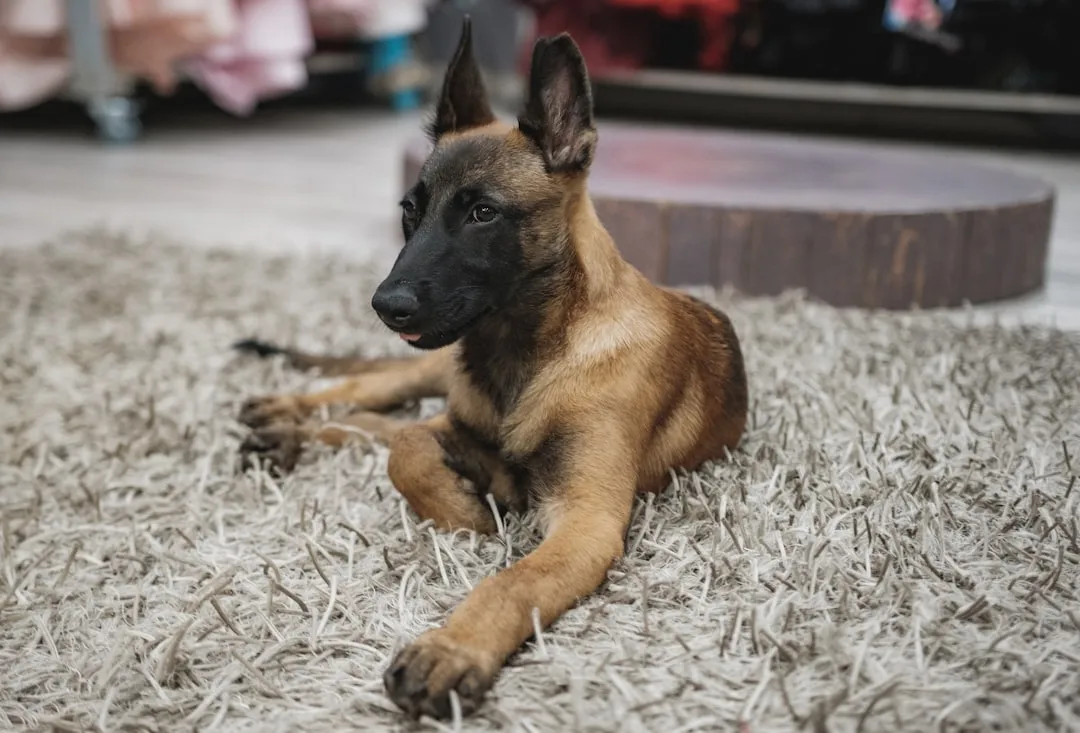
The Belgian Malinois is a highly intelligent, highly energetic, and highly tenacious dog that has become a favored breed in military and police work due to their high trainability and stamina. As pets, they are loyal and playful but can be demanding and destructive if not given enough attention and enrichment to keep their minds and bodies active. The rise of viral military dog videos has fueled a wave of adoptions that rescue groups watch with dread.
If you are not ready for daily training blocks and careful management, a Malinois without purpose will quickly overwhelm even well-meaning households. The Belgian Malinois has a naturally high prey drive, which means they’ll chase moving objects – including toddlers, cars, cats, and other dogs – so a firm hand and lots of obedience work are non-negotiable. Rescue organizations dedicated exclusively to this breed exist precisely because the return rate is so consistently high.
#8: Akita
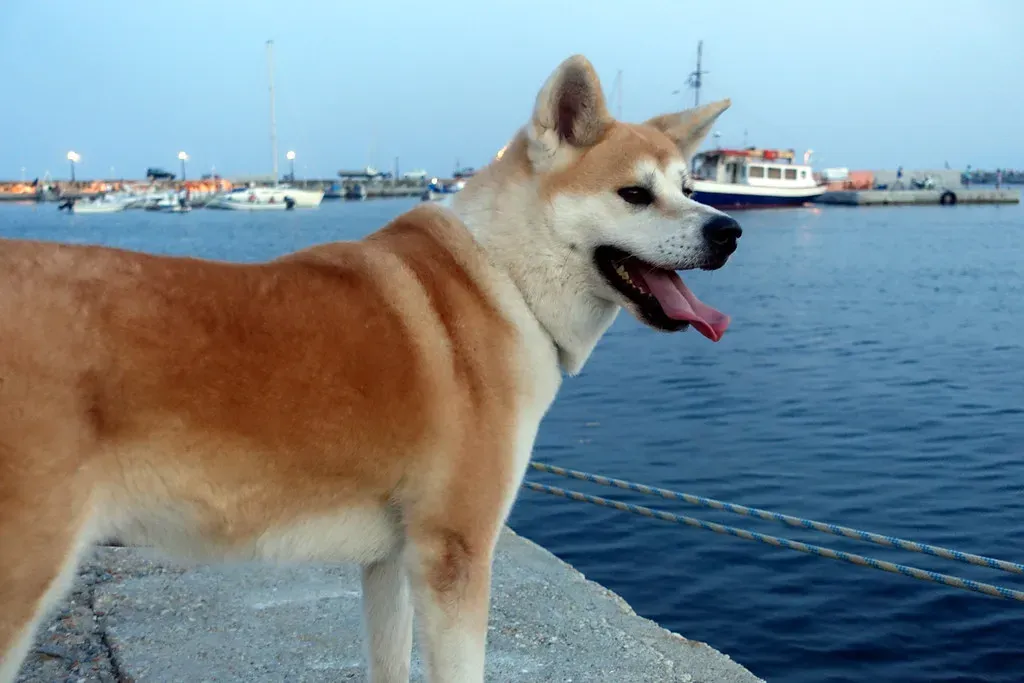
The Akita is a dignified and powerful breed, but its independent and dominant personality often leads to it being returned to shelters. Many first-time owners underestimate the training and socialization needs of this breed, and Akitas tend to be reserved with strangers and can be territorial, requiring consistent leadership and early exposure to different environments, people, and animals.
Akitas are dignified guardians with a strong independent streak, and many returns stem from underestimated size, same-sex dog intolerance, and aloof temperaments that do not seek constant affection. Early socialization and respectful training are non-negotiable to prevent pushy or territorial behavior. Families expecting a cuddly, compliant companion are routinely blindsided by the Akita’s self-possession. It’s not coldness – it’s just a breed that operates on its own terms.
#9: Boxer
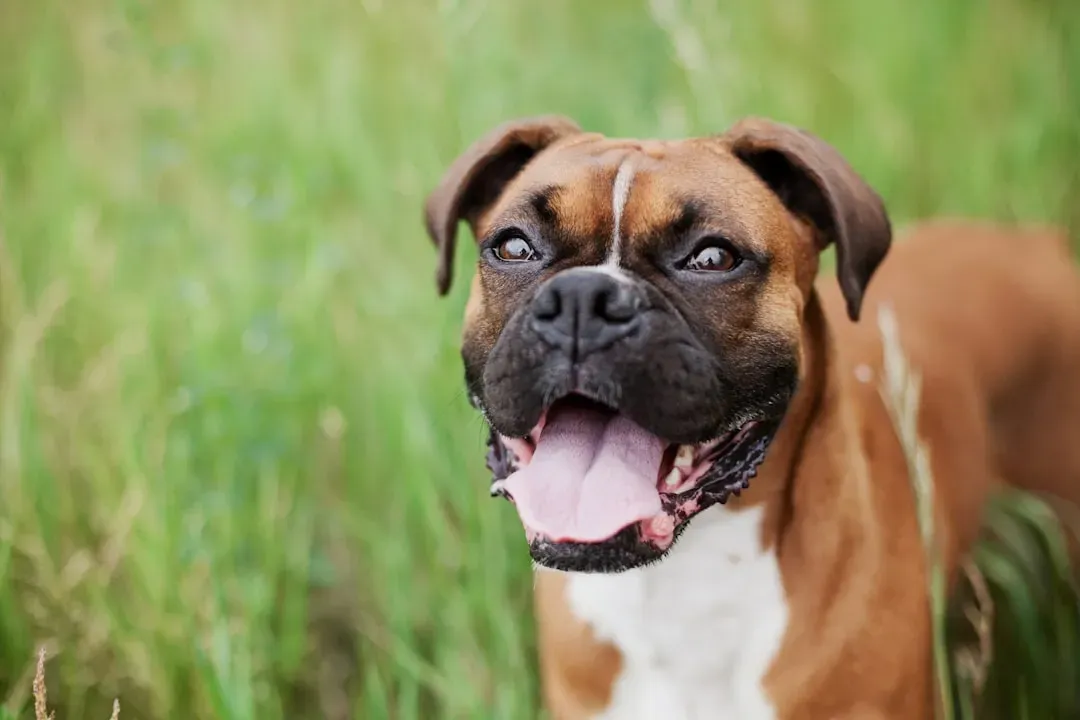
Boxers are cute, sweet, goofy dogs that end up in shelters because they often need far more exercise and attention than new owners are capable or willing to give. They are very excitable, strong dogs that can be difficult to manage without proper training. The charm of a Boxer is obvious within five minutes of meeting one. The reality of living with that energy, full-time and long-term, takes longer to hit.
Boxers have the emotional intensity of toddlers combined with extraordinary physical energy. They are shadows, clowns, and drama queens all at once – and when they’re under-exercised or left alone too long, separation anxiety hits hard. Rescue groups note that Boxer returns often come from households where both adults work long hours, leaving the dog alone in a space too small to contain its personality.
#10: Border Collie
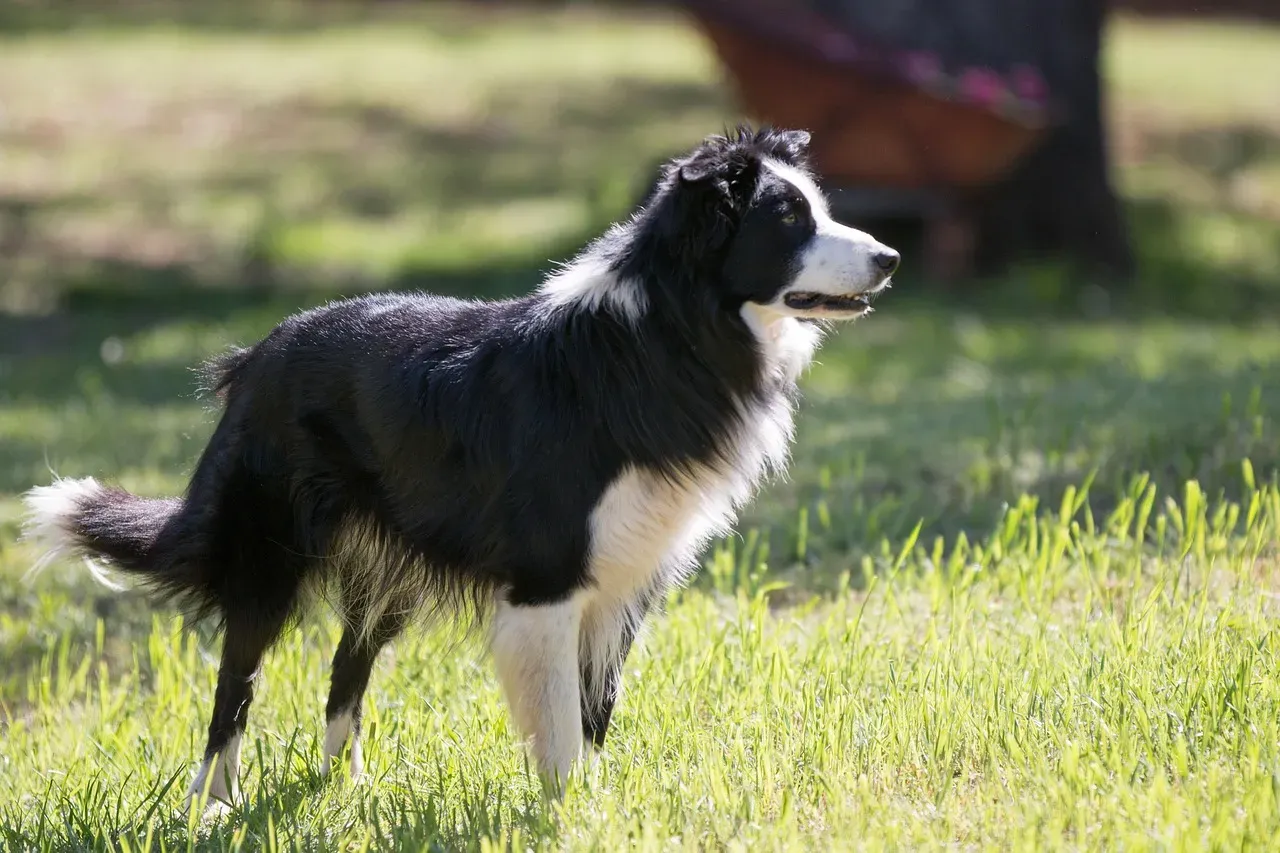
Border Collies were designed to control livestock by nipping and driving movement. Put that instinct in a suburban living room, and it turns into herding children, biting ankles, and policing every moving thing. They’re brilliant but intense, and they need wide-open spaces and jobs – a small home with overstimulated kids is the fastest route to a surrender.
Border Collies are widely considered one of the most intelligent dog breeds in the world, which sounds like a selling point until you realize that intelligence without stimulation creates chaos. They need to work, problem-solve, and move – constantly. Families who adopt them drawn by their striking appearance and clever reputation often find themselves exhausted within weeks, unable to meet the breed’s relentless mental and physical demands.
#11: Beagle
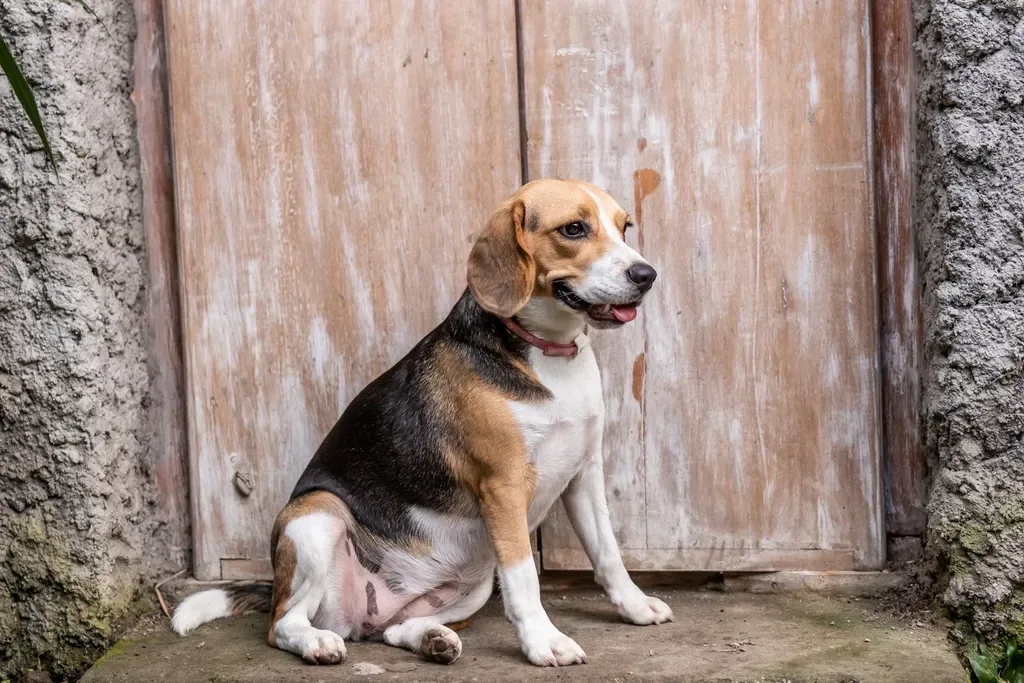
Beagles are active and curious dogs that love to explore and engage their senses – especially their keen sense of smell. They require regular exercise and mental stimulation to stay happy and healthy. Their sweet, floppy-eared appearance makes them one of the most popular family adoption choices, which is exactly why they appear so often in the return statistics.
Beagles can be challenging due to their independence, and focusing on recall training and keeping them mentally stimulated through activities like puzzle games is essential. The howling is another thing nobody warns you about. Beagles are vocal dogs with a bay that carries through walls and across neighborhoods – a trait that gets them returned from apartment complexes and suburban homes alike with quietly devastating regularity.
#12: Cane Corso

The Cane Corso needs early guidance, strong management, and purposeful work to stay balanced and safe. They do best with experienced owners who enjoy training and structure, and you’ll need leash skills, secure property, and calm confidence during inevitable teenage testing. Adopting a Cane Corso on impulse, drawn in by their imposing handsomeness, is a scenario rescue groups see play out repeatedly.
Powerful and loyal, Cane Corsos need consistent training, early socialization, and confident leadership. When owners underestimate their intensity or try to raise them without structure, things fall apart fast. They’re not the “big cuddly protector” people imagine – they’re working dogs who need a clear job and a capable handler, and without that, shelters see them far too often.
#13: Dalmatian
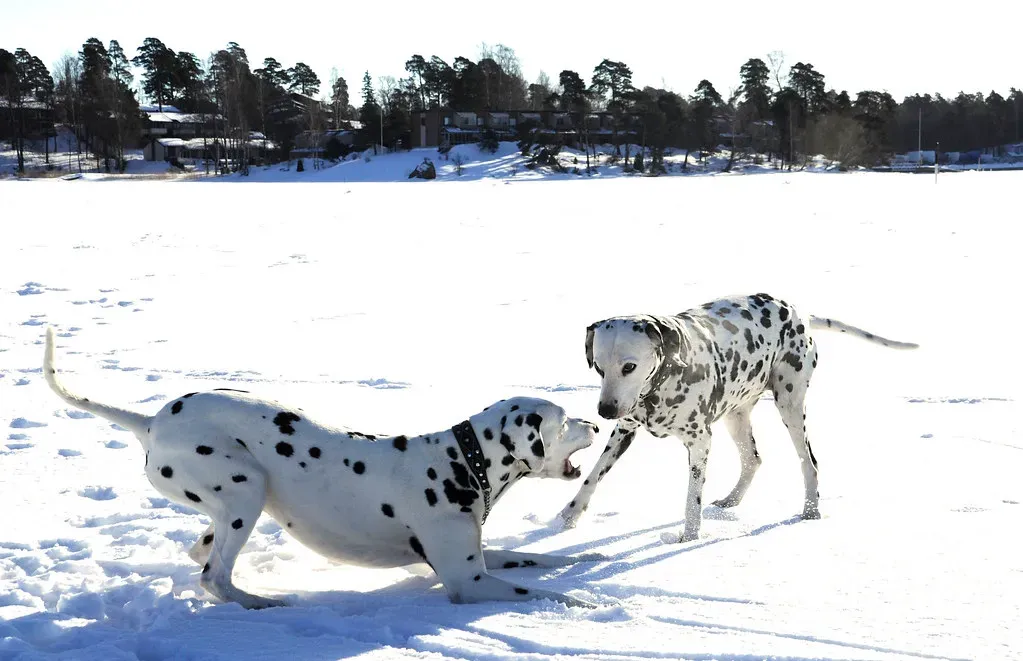
Dalmatians are known for their striking spotted coats and energetic personalities, often associated with firehouses and the movie industry. However, their high energy levels can be overwhelming for first-time dog owners – these dogs require ample exercise and mental stimulation, and without it, they can become restless and destructive.
Socialization is key, as Dalmatians have a strong prey drive that needs management. Interestingly, Dalmatians are also prone to deafness, a trait linked to their unique coat. The combination of a movie-star look, a child-friendly reputation rooted in pop culture, and a genuinely demanding real-world temperament makes the Dalmatian one of the most consistently mismatched adoptions rescue groups encounter year after year.
#14: Shih Tzu

Shih Tzus are often returned to shelters due to their high grooming needs and strong personalities. While affectionate, they can be stubborn, making training a challenge, and their care requirements can lead to higher return rates despite their small size and friendly nature. People adopt them expecting a low-maintenance lapdog. What they get is a dog with opinions.
The grooming reality of a Shih Tzu is something most new owners discover the hard way. Without regular professional grooming – which isn’t cheap – their coats mat painfully and quickly. Add in a stubborn streak that resists house training, and families who weren’t fully prepared find themselves overwhelmed by a dog that weighs under fifteen pounds but demands considerably more effort than that suggests.
#15: Great Dane
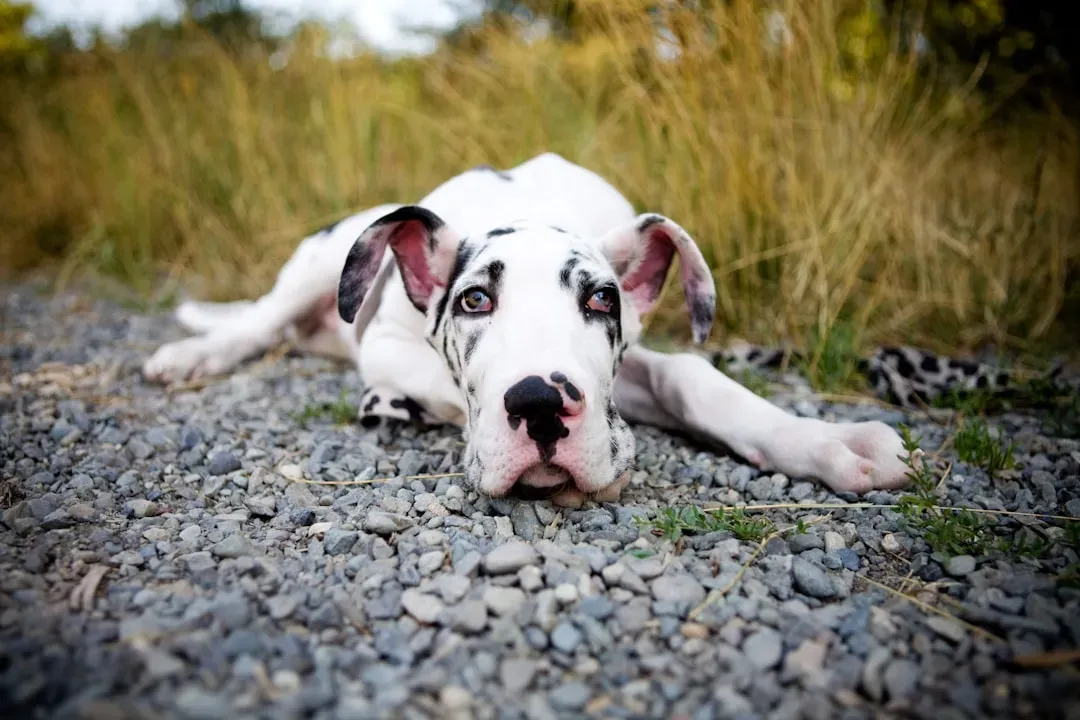
A Great Dane puppy seems manageable until it becomes a horse. Feeding costs spike, vet bills skyrocket, and the dog takes up half the house. Add in joint issues and short life expectancy, and many owners simply weren’t ready for the emotional and financial load – leaving shelters with gentle giants who just needed someone truly prepared.
The emotional dimension of Great Dane ownership is equally underestimated. Their lifespan is among the shortest of any breed, and the grief of losing them early catches families off guard. Some returns happen not from behavioral issues but from financial crisis – a single veterinary emergency for a dog of this size can cost thousands. Rescue groups consistently note that Great Danes are among the most heartbreaking returns because the dogs themselves are almost universally sweet, calm, and gentle. The mismatch is almost never about the dog.
What This Means Before You Adopt
The most common reason for the return of dogs is behavior-related, accounting for over half of all returns. Yet shelter workers will tell you that most of those “behavior problems” are entirely predictable based on the breed’s known traits – traits that were documented and available long before anyone signed an adoption contract. In some cases, adopters simply don’t give dogs enough time to adapt, or they don’t approach the adoption process with enough patience and understanding, concluding after just a few weeks that the dog isn’t a good match.
Studies show that roughly one in ten pets that get adopted will no longer be in their adoptive home after six months, and about three-quarters of pet surrender cases are related to human circumstances rather than the personality of the pets themselves. That’s a striking number. It means the solution isn’t finding “better” dogs. It’s finding better-matched homes – and doing the research before the paperwork is signed, not after the furniture is chewed.
Every dog on this list deserves a forever home. The breeds flagged most often by rescue groups aren’t broken – they’re just misunderstood, misplaced, or adopted by families whose lives weren’t quite ready for them. The decision to adopt should begin not with what a dog looks like, but with an honest conversation about what your household actually looks like on a Tuesday evening in January when no one has had time for a walk.
Worried about unexpected vet bills?
Pet insurance can cover thousands in unexpected vet costs. Get a free quote from Lemonade in under 2 minutes.
Get My Free Quote →Sponsored · Opens Lemonade.com

- Did You Know Tigers Mimic The Calls of Their Prey - June 7, 2026
- Eagles in Alaska Are Changing Their Migration Routes - June 7, 2026
- 7 Ways to Create a Wildlife-Friendly Backyard Habitat - June 7, 2026