

Worried about unexpected vet bills?
Pet insurance can cover thousands in unexpected vet costs. Get a free quote from Lemonade in under 2 minutes.
Get My Free Quote →Sponsored · Opens Lemonade.com
There’s something quietly extraordinary about the moment an animal singles you out. Not your partner. Not your roommate. You. It follows you from room to room, positions itself between you and the door, and watches you with a steadiness that borders on devotion. Most people chalk it up to affection or habit. The science tells a far more interesting story.
Attachment is a social bond based on emotional dependency formed between two individuals that endures over time. Originally described in the context of human infants and their mothers, attachment behaviour is any type of behaviour performed by an emotionally dependent individual to promote and maintain proximity or contact with the individual of attachment. What’s striking is how reliably this same framework shows up across dozens of species. Scientific research shows that oxytocin, the same “love hormone” that strengthens human relationships, plays a key role in animal bonding. The animals on this list don’t bond broadly. They bond narrowly, deliberately, and in many cases, permanently. Here’s what behaviourists now understand about fifteen of them.
#1. Dogs
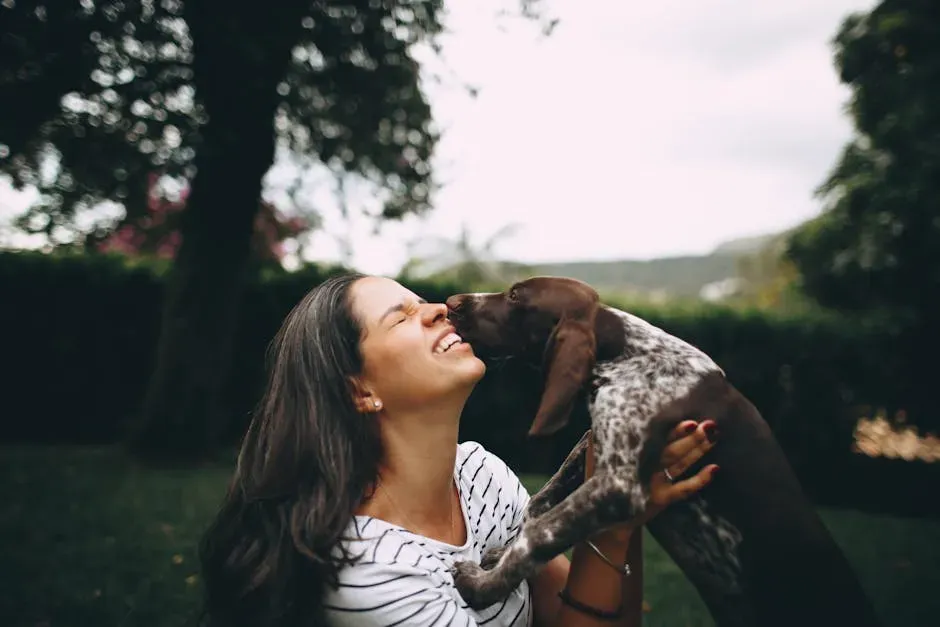
No list like this starts anywhere else. Companion dogs’ bond with their owners has long been described as special and unique. From an ethological point of view, dogs’ bond with their owners can be defined as “attachment,” which is similar in function to that of a human mother with her infants. That’s not poetic licence. It’s the language researchers use in peer-reviewed literature.
Dogs raised in a single home from an early age create strong bonds with their owners, but may have a reduced ability to appropriately interact with other humans they do not recognize. In practical terms, this means the dog isn’t just friendly with everyone. It has built a social hierarchy with a clear number one. The unique selection for cooperation with and dependency on humans might be the key feature for the emergence of attachment to the caregiver. Thousands of years of deliberate breeding shaped this preference at a genetic level.
#2. Cats
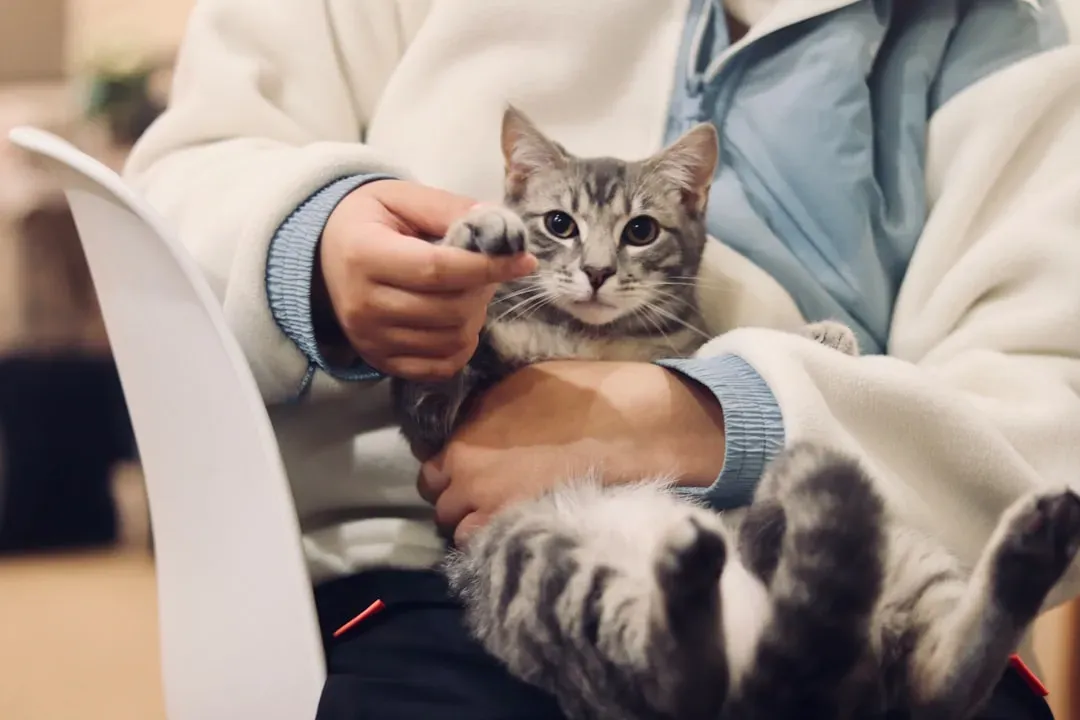
Cats have a reputation for indifference that genuinely undersells them. Cats often get labeled as independent, but those who share their homes with a feline know just how deep the connection can run. They might not always come when called, but cats show love in quieter ways – curling up on a lap, gently head-butting a hand, or following from room to room. The chosen person tends to be the one who moves calmly, speaks softly, and doesn’t force interactions.
Even though they often seem aloof, cats are actually tuned into their people in a significant way. New research has found strong evidence that cats are sensitive to human emotional gestures and can read facial expressions. The longer they live with a person, the greater this capability becomes. Behaviors like kneading, purring, or licking trigger oxytocin release in humans, creating a reinforcing loop that deepens over years.
#3. Parrots
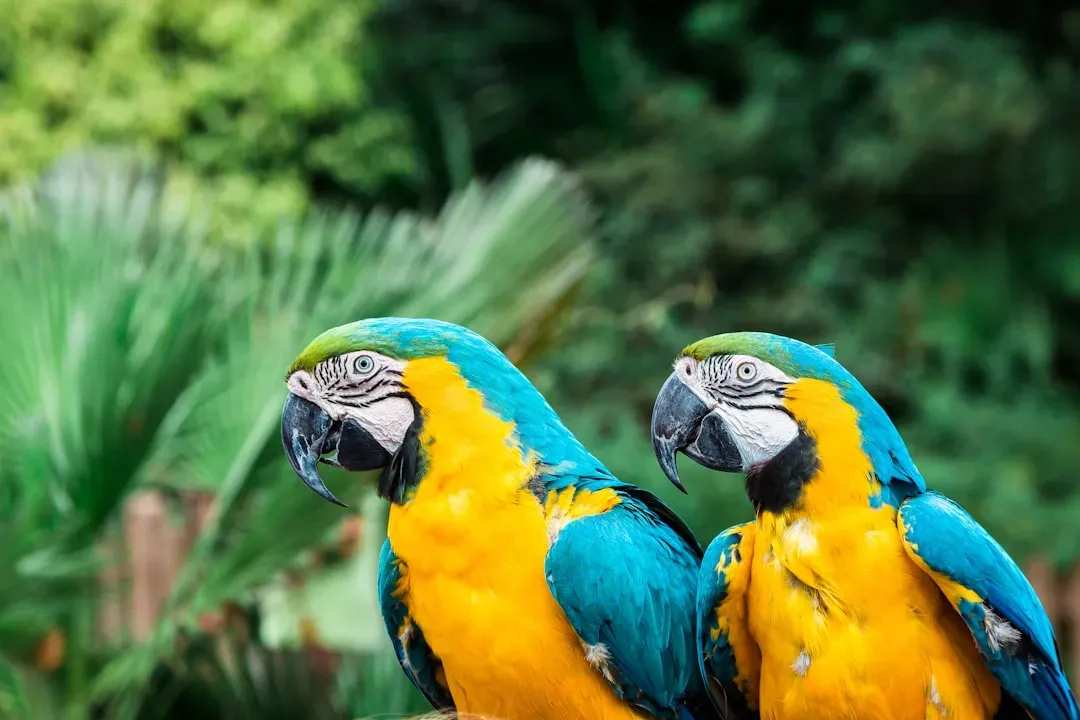
Parrots are intelligent and social, often forming strong attachments to a specific person. They’ll mimic that person’s voice and seek out their attention daily. That connection requires commitment, as parrots can become distressed when their favourite person is away. This isn’t mild preference. For large parrot species especially, it can shade into something genuinely intense.
Jealousy manifests in parrots when the bird becomes strongly attached to one family member and attempts to monopolise that person’s attention, displaying negative behaviour such as aggression when attention is directed elsewhere. This phenomenon probably results from the propensity of these species to form very strong and exclusive pair-bonds. In the wild, parrots pair for life. When a parrot lives with humans, one person simply gets selected as the pair-bond partner. The bird isn’t misbehaving. It’s following deeply wired social instinct.
#4. Horses
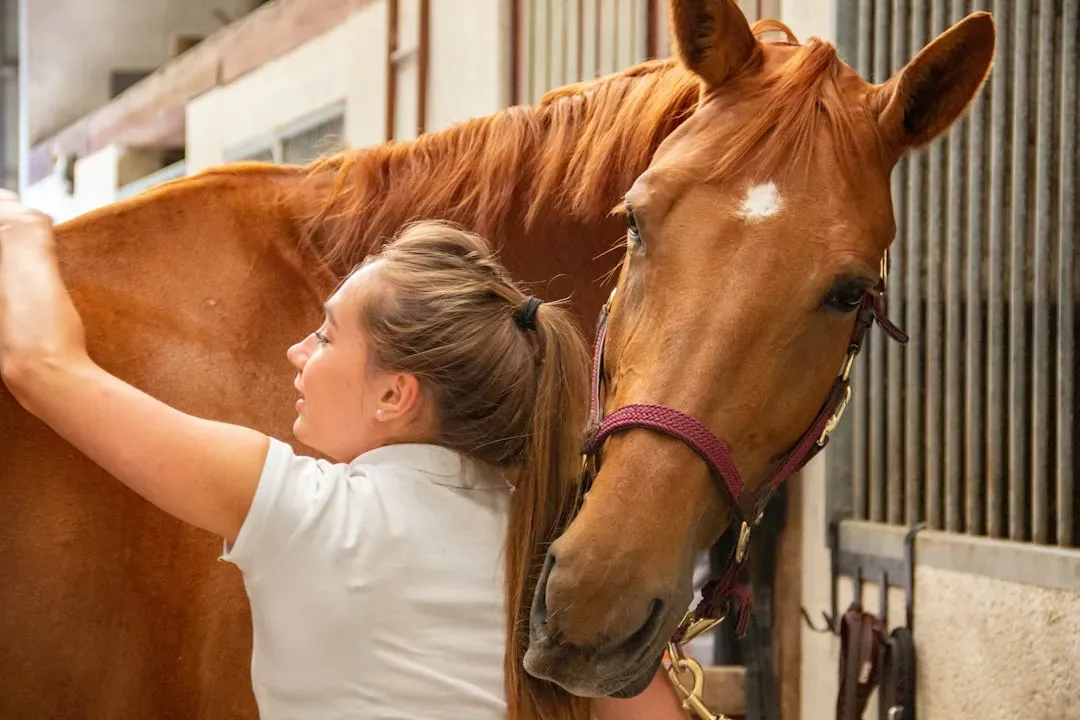
Friendships between humans and domesticated horses are often observed and occur when the horse is willing to allow the person into its flight distance and personal space through friendly interactions such as grooming, scratching and rubbing. Horses are social animals, and once a person is accepted into their personal space, they become a part of their social system. That acceptance is earned slowly and never transferred automatically to strangers.
The connection between a horse and its rider is legendary for a reason. Horses are highly intuitive animals that pick up on their handler’s emotions and respond with sensitivity and care. Building trust with a horse takes time, but once established, the bond can feel almost magical. Horses remember individual people, develop preferences, and can even recognize footsteps. The horse that performs beautifully for one rider and goes stiff for another isn’t being difficult. It’s being consistent with its own attachment hierarchy.
#5. Cockatiels
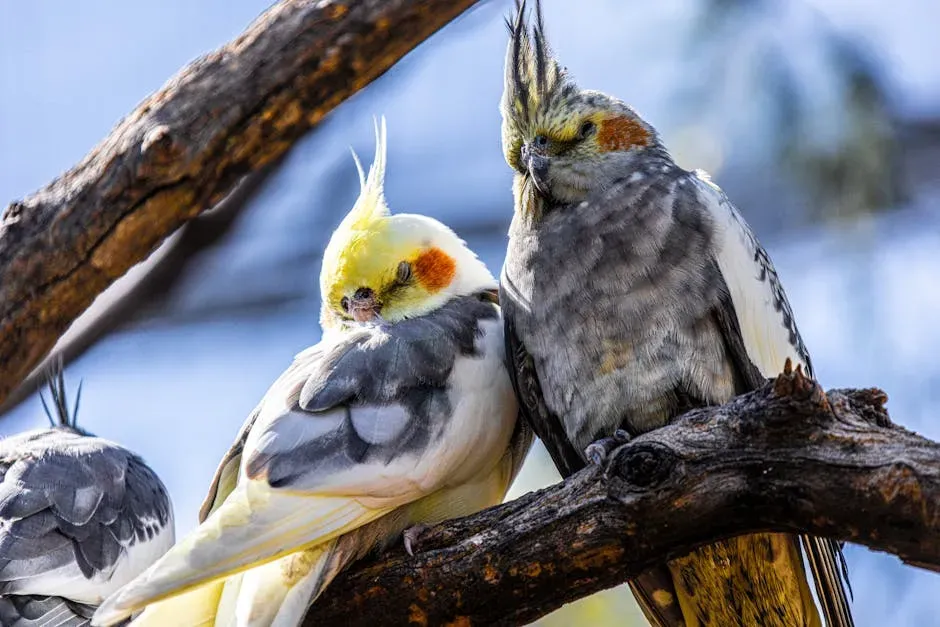
Cockatiels are famous for their playful whistling, charming dances, and strong attachment to their humans. These little birds quickly form routines, greeting you with chirps and sometimes even singing. Cockatiels often preen their owners’ hair and seek out cuddles, showing affection in ways that are as adorable as they are surprising. For a bird that weighs barely a hundred grams, the emotional investment is outsized.
Personality in birds has genetic, developmental and physiological influences. In particular, birds vary in their coping ability to stress, mediated by the HPA axis. What this means practically is that a cockatiel’s level of bonding is partly temperament and partly history. A bird that lands on one specific shoulder every morning and refuses to step up for anyone else has made a choice that behaviourists recognise as genuine preferential attachment, not simple habituation.
#6. Domestic Rats
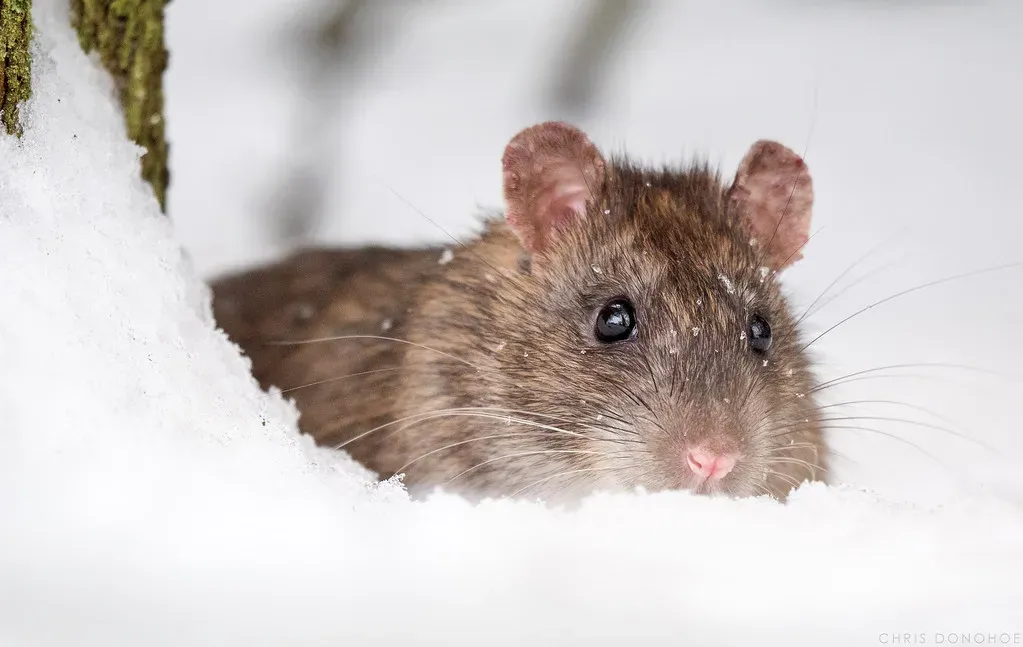
Domestic rats are extremely social and very intelligent, with the capacity for complex learning and a desire to interact with others, which they are willing to extend to humans. What surprises most people who keep rats is how quickly they distinguish their primary person. They’ll climb toward that familiar scent before any other and press close to the neck with something remarkably like trust.
Pet rats are some of the most affectionate and clever animals you can invite into your home. These social creatures thrive on interaction, quickly learning to recognize and respond to their owners. Rats love to explore, play games, and even snuggle into the crook of an arm for a nap. Research into rat social bonds has also shown that individuals that maintain strong, enduring same-sex bonds experience higher longevity than individuals with weaker bonds, suggesting that bonding isn’t just emotionally meaningful but biologically advantageous.
#7. Budgerigars
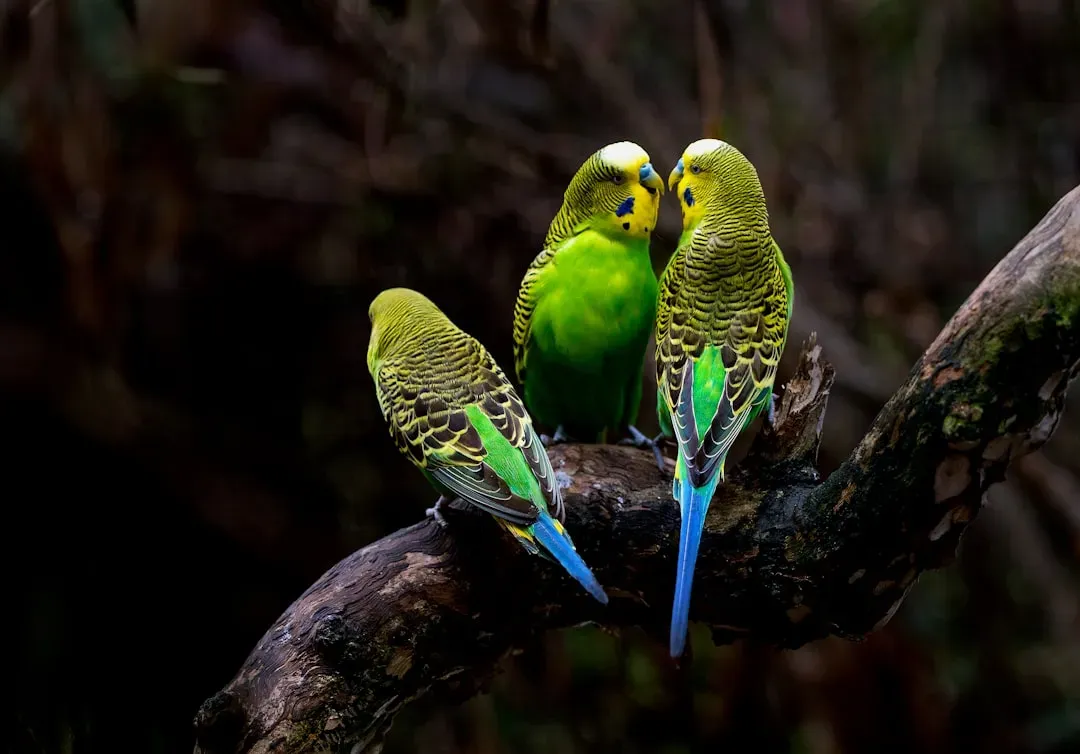
Budgerigars are tiny parrots with huge personalities. They bond closely with their chosen humans, chirping and chatting away, sometimes mimicking words or songs. Budgies love to perch on shoulders and preen hair, showing affection in their own playful style. Their loyalty is unmistakable – they’ll often fly straight to their chosen person when that person enters the room.
Like other parrots, budgies evolved as flock animals with strong pair-bonding tendencies. Birds in the parrot family are very social, adaptable, and highly intelligent. A pet budgie can actively enjoy interaction with humans. Socialisation from a young age can lead to birds that actively seek interaction and the opportunity for new experiences. The person who handles a budgie most consistently during its early weeks tends to become the anchor of its social world for life.
#8. Guinea Pigs
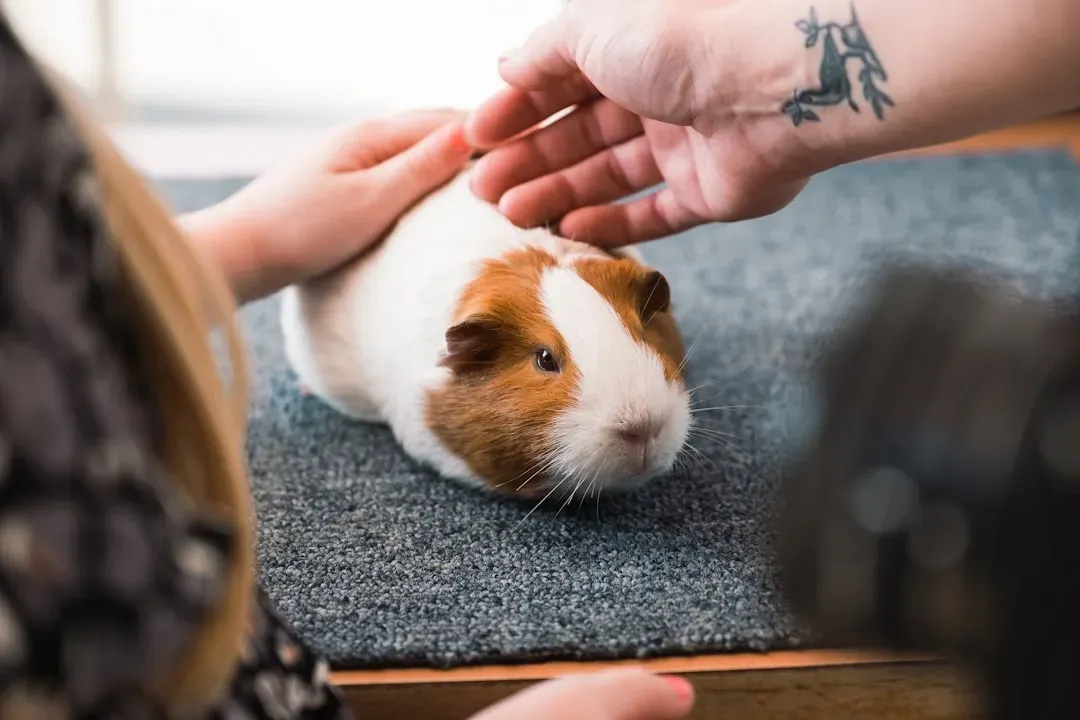
Guinea pigs may be small, but their capacity for love is considerable. These gentle rodents thrive on companionship, not just with other guinea pigs but with their humans too. They’ll greet a favourite person with excited squeaks and even climb onto a lap for a cuddle. The preference for one person over others shows up early and stays consistent, even in households with multiple regular handlers.
The underlying mechanism connects to oxytocin’s role in mammals, which includes the induction of maternal behaviour, imprinting, social cognition, and affiliative behaviour. Guinea pigs that are handled gently and frequently by one person appear to form a stable social reference point around that individual. They remain alert and skittish with strangers while visibly relaxing with their chosen human, a contrast that’s hard to miss once you’ve seen it.
#9. Geese
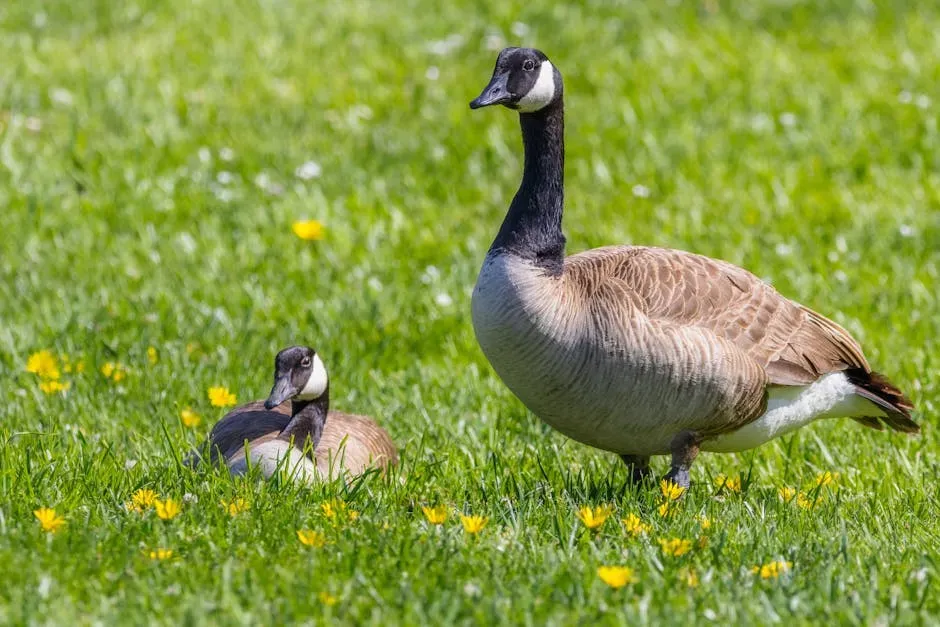
Konrad Lorenz’s geese became one of the most famous demonstrations of animal attachment in scientific history. In the early 1930s, Lorenz kept a collection of goose eggs and waited until they hatched. When they emerged, the newly hatched goslings followed the first moving object they saw, in this case Lorenz himself. After that, he could often be seen with a row of geese in tow. This type of behaviour became known as imprinting. Imprinting refers to a critical period early in life when an animal forms parental attachment, often to their mother.
Scientists found that there’s often a window of time in which imprinting has to happen in order to stick. In some species, this window may be as short as 30 minutes. Geese that imprint on a human don’t simply follow that person around. They treat that person as their flock anchor, becoming agitated in their absence and returning reliably to their side during any perceived threat. The bond isn’t flexible. It’s foundational.
#10. Llamas and Alpacas
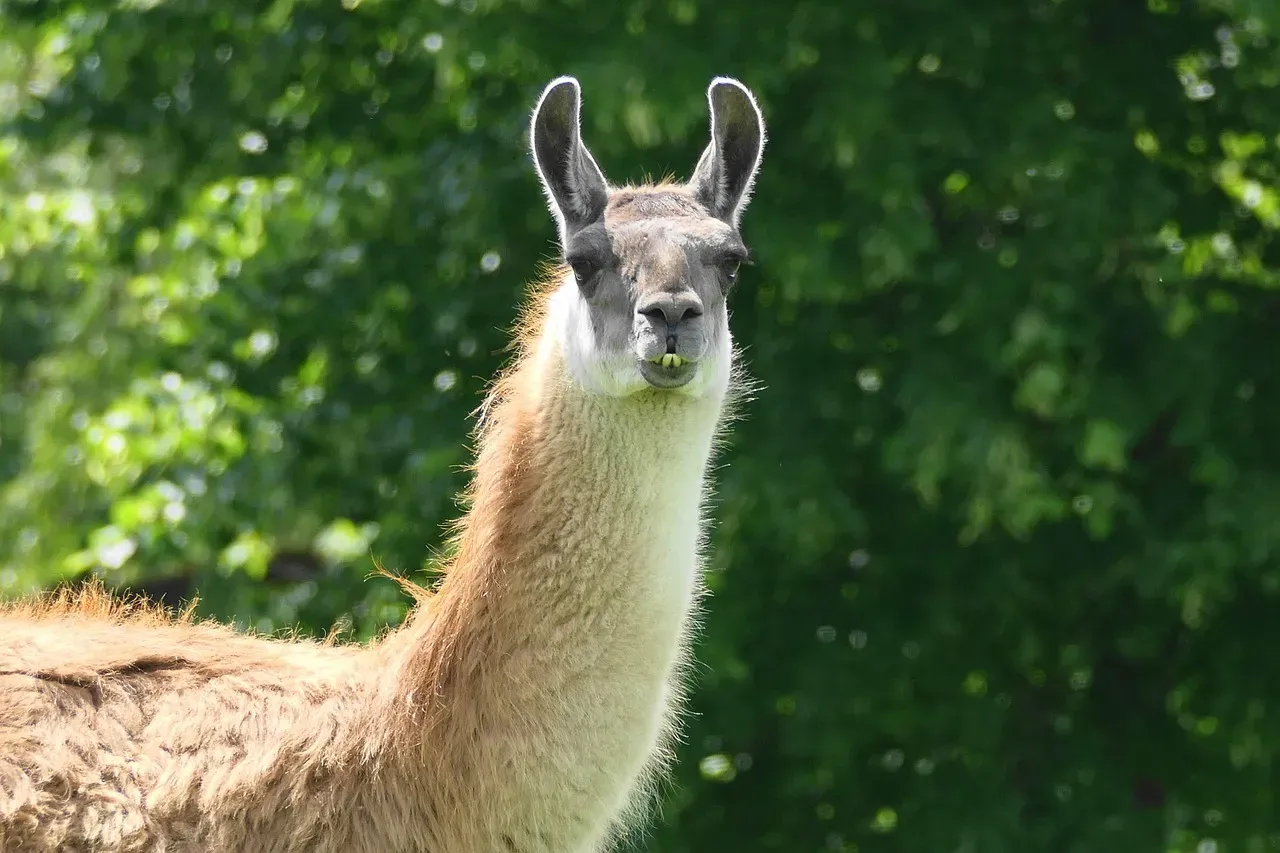
Since they’re herd animals, llamas and alpacas tend to enjoy companionship and, like equines, have developed a capacity to learn and follow guidance from humans. That guidance relationship, however, tends to centre on whichever person is most consistent in their care routine. Alpacas especially will hum distinctively when their preferred handler approaches and go noticeably silent with strangers.
Llamas raised with consistent, positive handling can develop calm, trusting relationships with their caretakers. The key phrase there is “consistent.” Behaviourists note that trust in these animals is not generalised. It’s built interaction by interaction with one person, and it doesn’t transfer on introduction alone. An alpaca that nuzzles freely during daily feeding may still spit at a visiting stranger the same afternoon. The distinction between the two people is never arbitrary.
#11. Goats
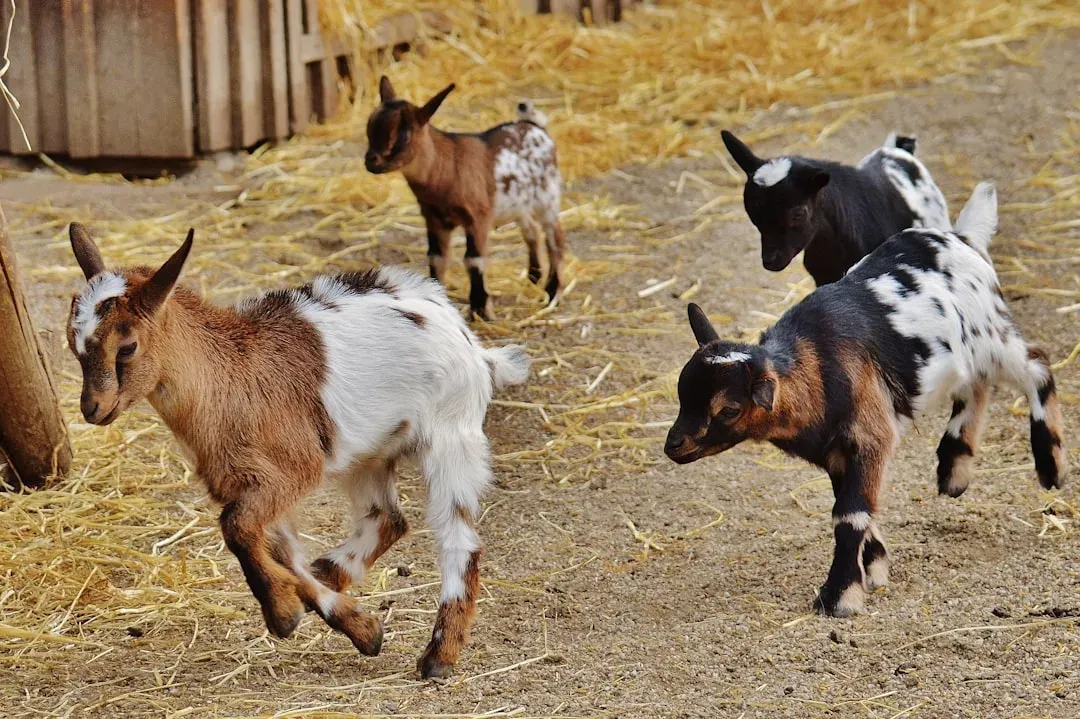
Some goats, especially bottle-raised kids, become inseparable from their owners. They’ll follow you around the pasture and call out when you leave. While still independent thinkers, bonded goats can be easier to train and manage. The bottle-raising factor matters enormously here. A kid that receives its early nutrition from human hands is forming a social identity around that experience.
Research into how animals can imprint on humans made scientists think about how imprinting might differ from other kinds of learning. Imprinting seemed to be an innate behaviour likely coded in an animal’s genes. With goats, this hardwiring means early human contact creates lasting preferences. A goat raised by hand will consistently seek out human company, and within a household will gravitate toward whoever handled it most. That preference tends to hold for the animal’s entire life.
#12. Ferrets
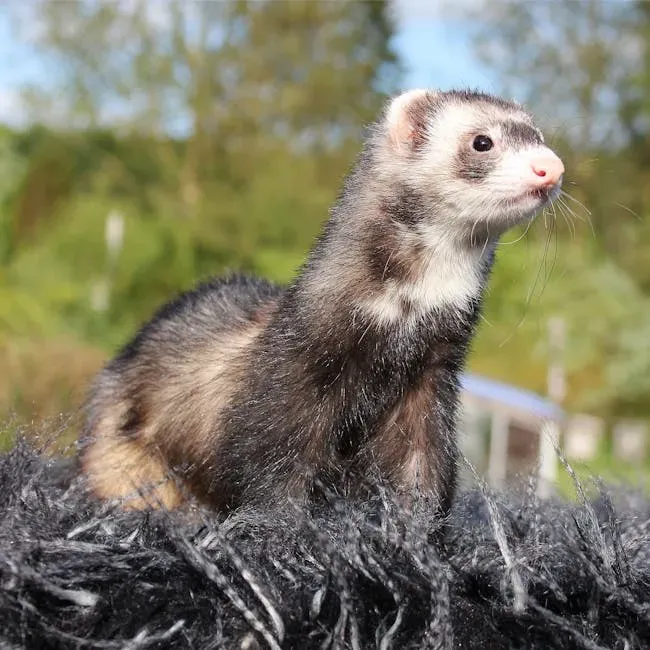
Ferrets have the social structure of a mustelid family unit, which naturally revolves around close proximity to familiar companions. When kept domestically, they reassign that social anchor to a person. They’ll wake from deep sleep the moment a familiar scent enters the room, scramble to the cage door, and perform what owners call the “weasel war dance” as a greeting reserved for their chosen person alone.
Hormonal release not only deepens the bond but also creates a positive feedback loop – the more time spent bonding, the stronger the connection grows. With ferrets, that loop is particularly visible. Daily play sessions, shared sleeping arrangements, and routine handling all compound into a recognised preference. Behaviourists note that ferrets display measurably different stress responses depending on whether their favourite person is in the room, a reliable indicator of genuine attachment rather than simple habituation to a space.
#13. Rabbits
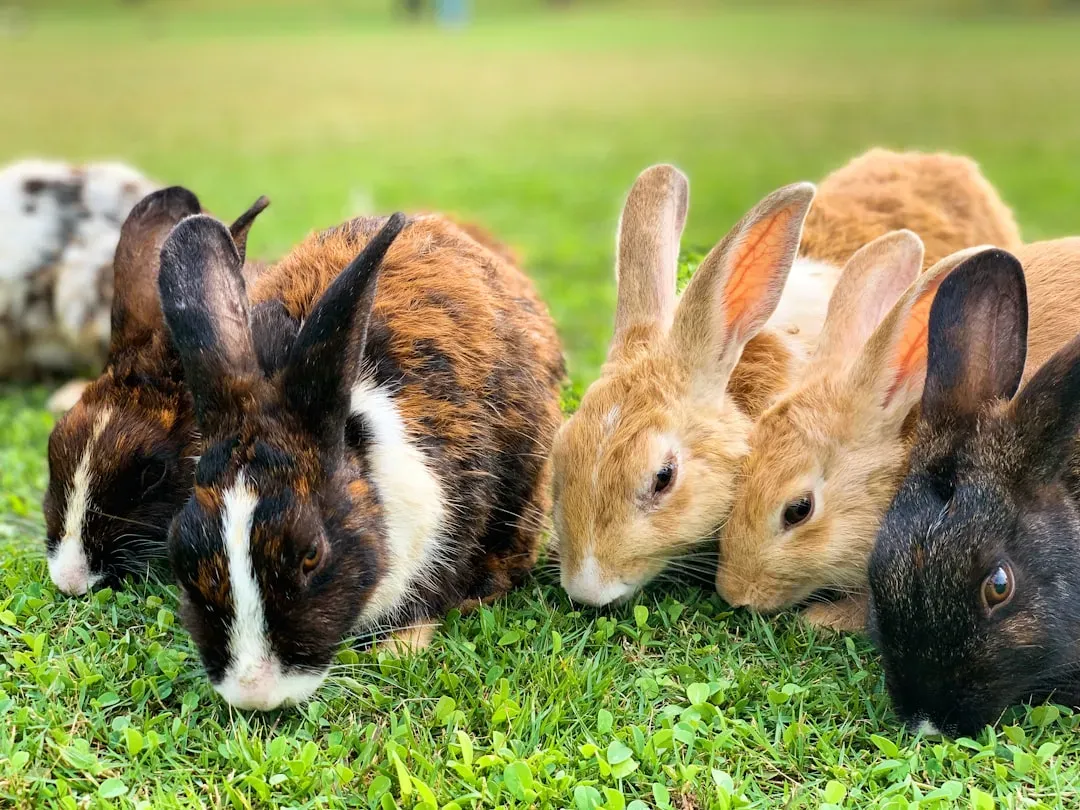
Rabbits are prey animals, and their threat-detection systems never fully switch off. That’s exactly why their bonding behaviour is so telling. A rabbit that consistently approaches one person, lies fully stretched out near them, and allows being picked up without a struggle has made a profound safety assessment. In rabbit terms, that human has been deemed trustworthy enough to lower the prey animal’s guard entirely.
Animals display attachment behaviours that mirror human bonding. Mutual gaze helps foster closeness, as seen when a person lovingly looks at their companion animal. This shared gaze is a sign of trust and emotional connection. Physical proximity also plays a role; animals often stay close to their loved ones for comfort and security. Rabbits that choose a single person display all of these markers, often refusing similar comfort from other household members and remaining vigilant until their chosen person returns.
#14. Chickens
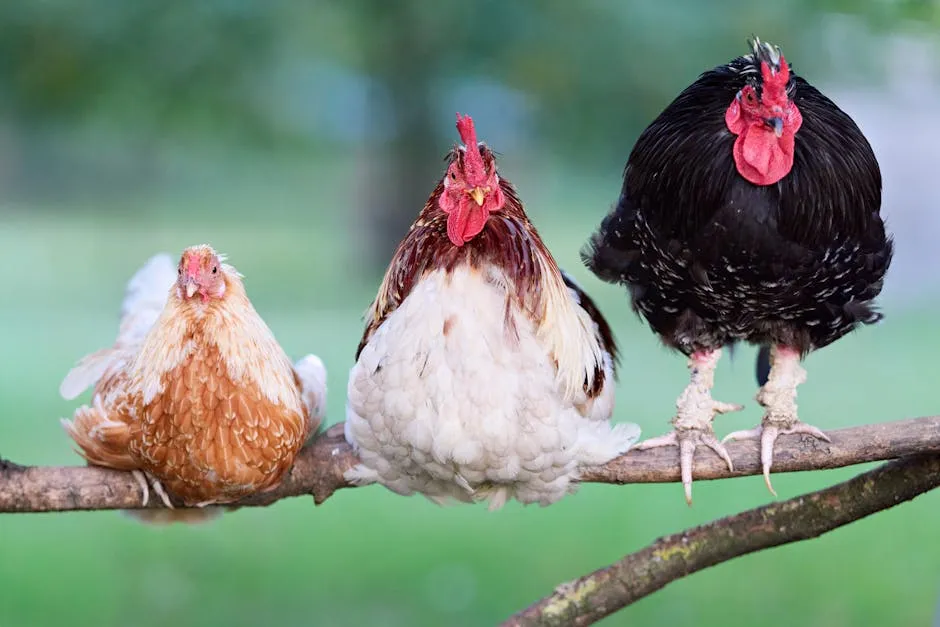
The idea of a chicken as a bonded companion surprises most people. If you were to look closely into a chicken’s eyes, you might feel a real connection. These animals are way smarter, more emotional, and cognitively complex than most people give them credit for. Chickens raised with early and consistent human handling frequently develop clear preferences, following a particular person around a yard, sitting near their feet, and vocalising specifically at them.
The social structure of a chicken flock is built around hierarchy and familiarity. When a human handler becomes integrated into that structure through daily feeding, calm movement, and consistent presence, a specific bird may peel away from the flock and affiliate primarily with that person. Selection for tameness and neophilia, the willingness to approach novel things, enhanced some animals’ suitability for close human relationships, and in domesticated chickens, those traits were shaped over centuries of close farm proximity to people.
#15. Border Collies (as a breed-specific case)
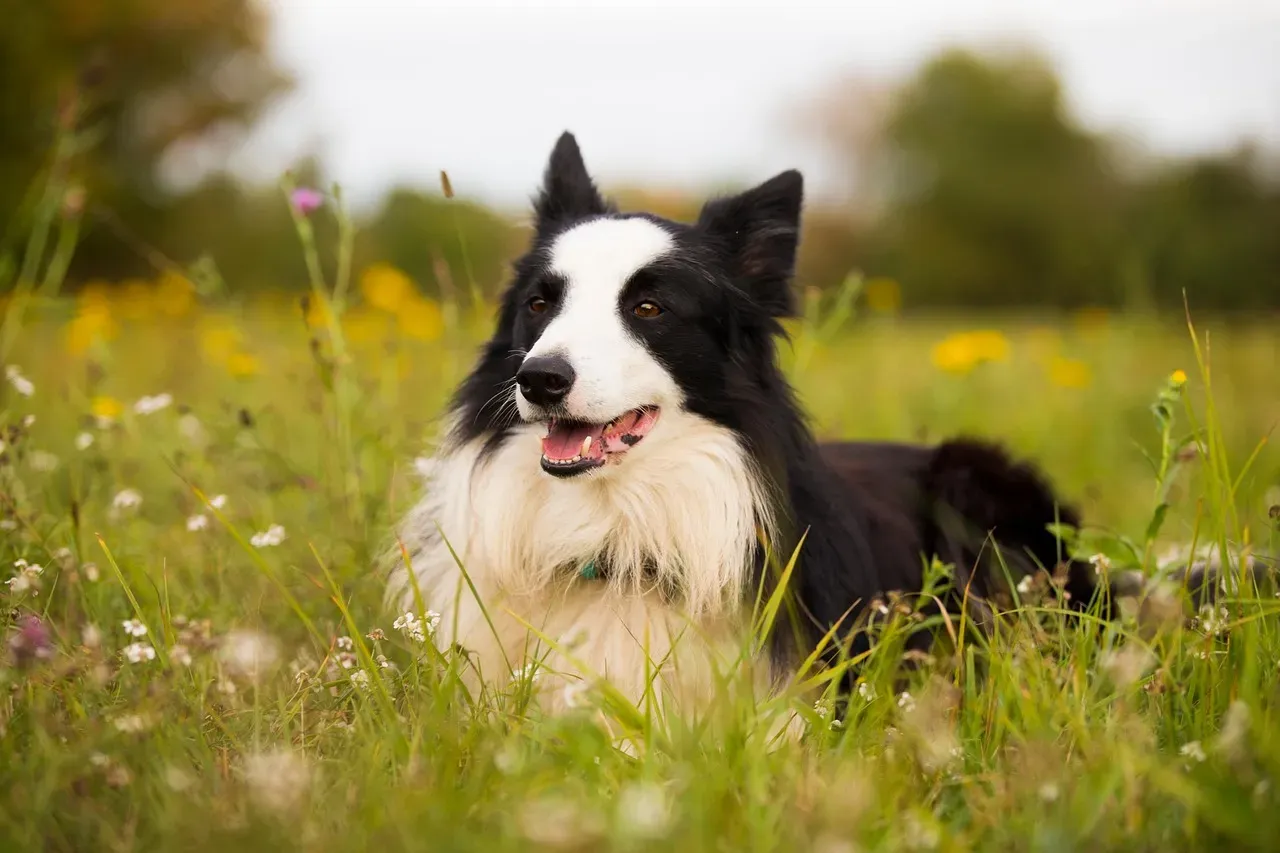
While all dogs can form deep bonds, Border Collies represent one of the most extreme and well-documented examples of single-person fixation in the animal world. Bred specifically to work in close coordination with one shepherd across open hillsides, they were selected over generations for an almost biological need to monitor and respond to a single human. Humans and animals initially formed alliances for mutually beneficial reasons. Over time, these practical relationships evolved into something deeper: emotional connection. In the Border Collie, that evolution went further than almost any other breed.
People in relationships with greater compatibility with their dogs reported more subjective happiness and less perceived stress, while their dogs showed a lower frequency of aggressive and fearful behaviours and higher trainability scores. A Border Collie with its chosen person is a study in this dynamic. The dog anticipates movements before they happen, reads micro-expressions with uncanny accuracy, and can become genuinely dysregulated when separated. Oxytocin caused dogs to engage in higher levels of affiliation, social orientation, and social approach with their owners, and in this breed, those levels operate at a remarkable peak.
What Behaviourists Say Connects All 15
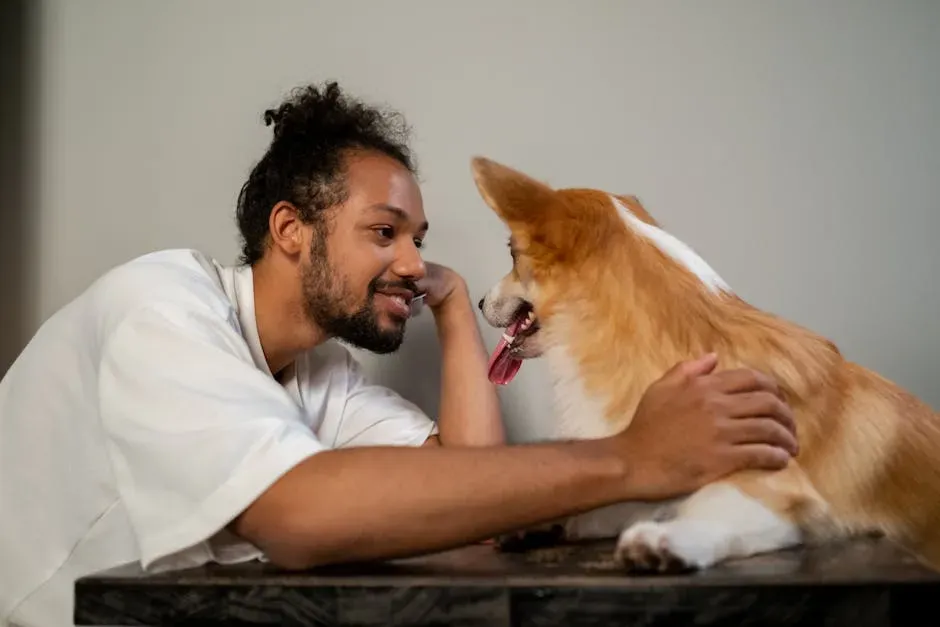
The common thread running through every animal on this list is not random affection. In an attachment bond, the attached individual depends on the security-providing attachment figure. Attachment has well-defined criteria: the attached individual should use the caregiver as a secure base when exploring a new environment, and as a safe haven in case of danger, and display specific behaviours upon reunion with the caregiver. Every single species above meets these criteria in its own way.
Oxytocin enhances social motivation to approach and affiliate with close social partners, which constitutes the basis for the formation of any stable social bond and facilitates its maintenance over time. Because enduring social relationships have adaptive value, it is likely that natural selection has favoured neurological mechanisms that promote their maintenance. In short, exclusive bonding isn’t a quirk or an anomaly. In the right species, under the right conditions, it’s what the brain was designed to do.
The person these animals choose is rarely the loudest or the most demonstrative in a room. Behaviourists note consistently that calm presence, predictable routine, and low-pressure interaction tend to be the triggers. Individual variability in the attachment behaviour of animals is most commonly attributed to differences in individuals’ previous experiences with the attachment figure. Some owners may have provided more security to the animals in ambiguous situations, potentially contributing to higher attachment scores. Security, it turns out, is the foundation of devotion in nearly every species that offers it.
What these fifteen animals ultimately reveal is something quiet but worth sitting with. Across species, neurobiology, and thousands of years of domestication, the deepest animal bonds aren’t scattered broadly. They’re placed carefully, on one person, and they tend to hold.
Worried about unexpected vet bills?
Pet insurance can cover thousands in unexpected vet costs. Get a free quote from Lemonade in under 2 minutes.
Get My Free Quote →Sponsored · Opens Lemonade.com
