

Worried about unexpected vet bills?
Pet insurance can cover thousands in unexpected vet costs. Get a free quote from Lemonade in under 2 minutes.
Get My Free Quote →Sponsored · Opens Lemonade.com
There’s something quietly remarkable about watching a cardinal in your backyard. The vivid red flash of a male against bare branches, or the soft tawny glow of a female perched near the feeder – they’re easy to spot, which is exactly why generations of keen-eyed observers noticed something peculiar. Before the clouds rolled in and the sky went still, the cardinals were already acting differently.
Long before weather apps and doppler radar, ordinary people paid close attention to the animals around them. Farmers, gardeners, and grandparents who spent hours outdoors knew that birds – cardinals in particular – seemed to know something was coming. Before the age of sophisticated technology, humans depended on the behavior of birds to predict when a storm was approaching. That wisdom wasn’t superstition. Much of it was grounded observation, passed down through touch and memory. Here are twelve things cardinals do right before a storm that your grandparents likely noticed long before scientists caught up.
#1: They Suddenly Flood the Feeder
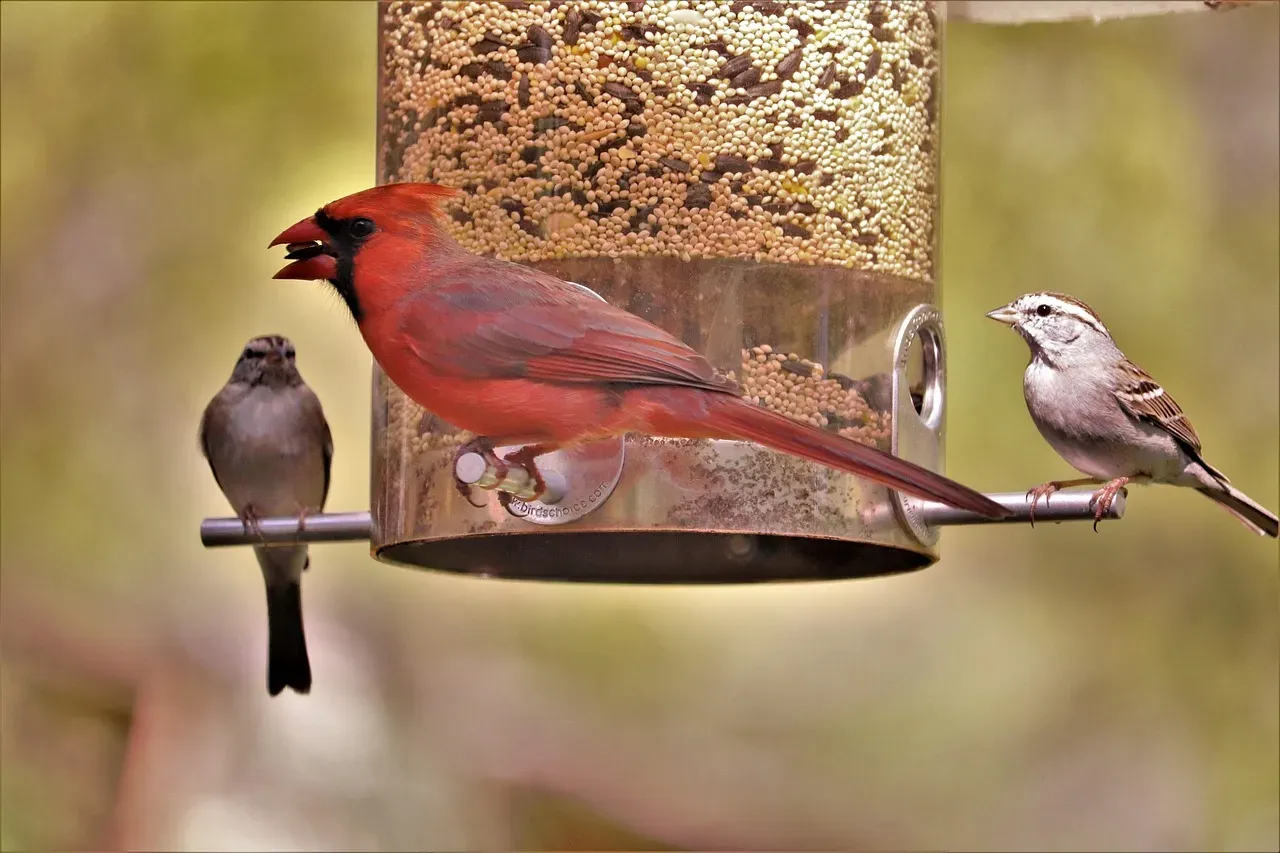
One of the most reliable pre-storm signs is a feeder that goes from quiet to crowded in a matter of minutes. Cardinals that had been scattered across the yard will appear almost all at once, feeding with a kind of focused urgency that feels distinctly different from their usual morning routine. Experiments revealed that birds change their normal pattern of preening at dawn and immediately start feeding heavily if barometric pressure indicates a storm is approaching.
The reason for this rush is deeply practical. Many birds feed ferociously right before storms hit, building energy reserves to survive the duration. That fuel helps them stay warm when temperatures drop or gives them strength to relocate if the situation demands it. Cardinals are no exception. When your grandparents saw three or four cardinals hitting the feeder at the same time – well outside their usual feeding schedule – they knew the sky had other plans.
#2: They Fly Noticeably Lower Than Usual
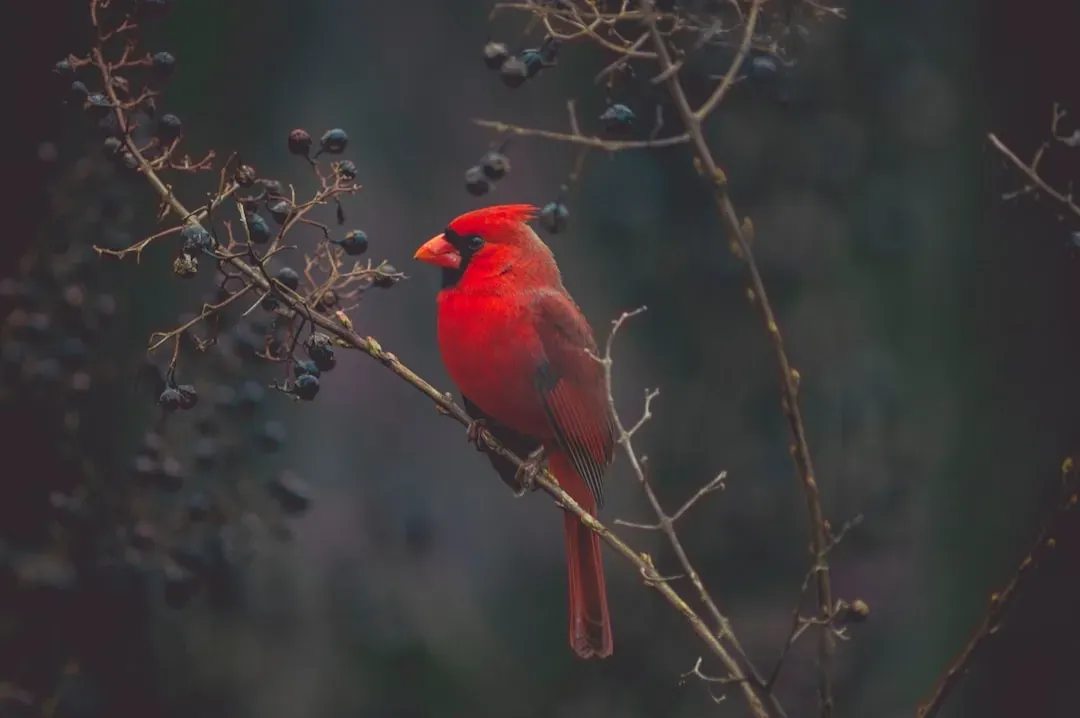
Cardinals are naturally low-level birds, preferring dense shrubs and thickets close to the ground. Still, an observant eye can tell when they’re flying even lower and more cautiously than normal. A fast decrease in atmospheric pressure signals an approaching storm. These changes can be very uncomfortable for birds, and to relieve the discomfort, they fly low. Larger birds fly lower than usual, while smaller birds stay very close to the ground.
When the barometric pressure is low, birds have to work harder and burn more energy to fly. As a result, they tend to perch on power lines or low branches to conserve energy. Cardinals hugging the hedge line or darting between shrubs at ground level, without the usual confident hops and short aerial bursts, is exactly the kind of subtle shift that older generations were tuned into. It doesn’t look dramatic. But it’s consistent.
#3: Their Singing Gets Louder and More Urgent
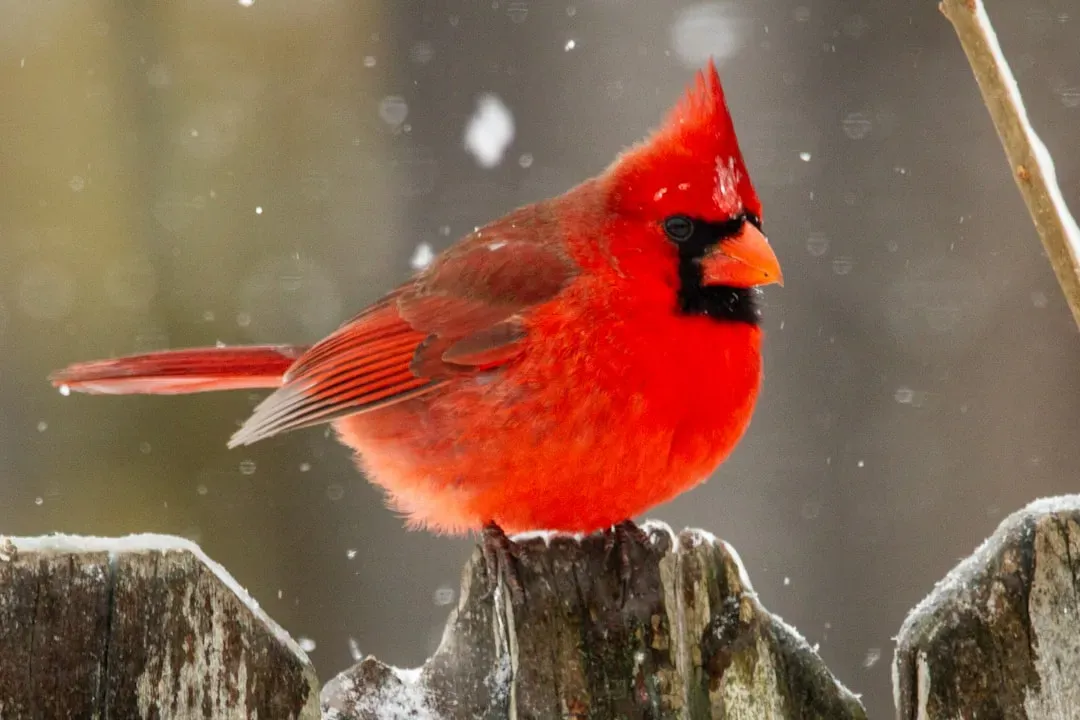
Cardinals are vocal birds by nature. Male Northern Cardinals are known for their loud, clear whistle-like song, which is used to establish territory and attract mates. But there’s a particular quality to their singing before a storm – a more insistent, repeating quality – that stands apart from normal territorial calling. It tends to happen in quick bursts, as if the bird is making one last announcement before going quiet.
A single cardinal may develop more than a dozen song variations, and flocks develop regional dialects. The sharp, metallic chip is the most common alarm and communication call, with over 16 different calls documented. When observers report hearing cardinals calling in rapid, chip-like sequences just before a storm, they’re likely witnessing alarm communication – the cardinal’s way of broadcasting unease across the yard before retreating to shelter.
#4: They Perch for Long Stretches Without Moving
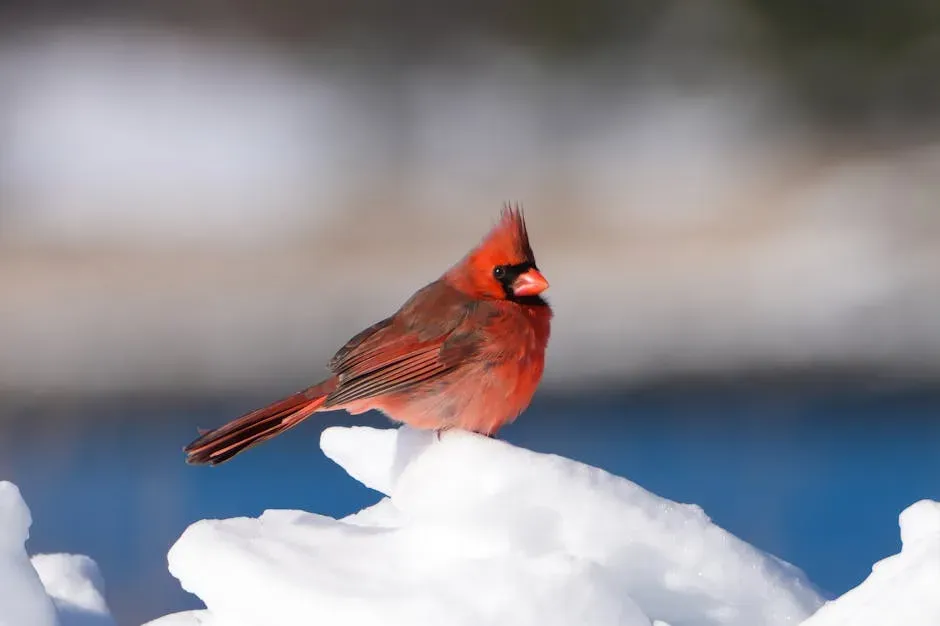
A cardinal that sits completely still on a branch for an extended period isn’t simply resting. This kind of prolonged, anchored perching is a known response to dropping barometric pressure. It is said that birds perch more before a storm – and they do. The reason is that low pressure storm fronts make it harder for birds to fly, so they perch to rest more often.
Your grandparents probably described this as the bird “just sitting there, not doing anything.” That stillness has a purpose. Birds aren’t predicting the weather in the human sense of using models and data. Instead, their finely tuned senses, honed by millions of years of evolution, allow them to directly perceive the physical changes in the atmosphere. Their behavioral responses are driven by the instinct to survive potentially life-threatening conditions. Sitting still is survival strategy, not laziness.
#5: They Begin Intensive Preening Sessions
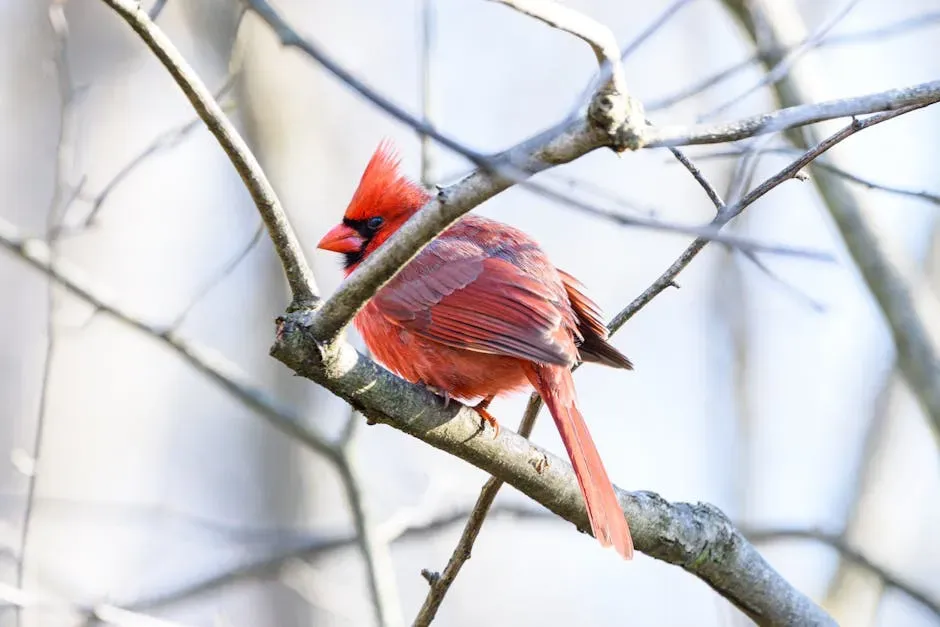
Before a serious storm, cardinals will often engage in unusually thorough and prolonged preening – working through every feather with methodical attention. This isn’t random grooming. Waterproofing and insulating the feathers before severe weather is a genuine preparation for what’s coming. In the moments before they roost, many birds engage in a quiet, focused ritual: preening. It may seem like a simple act of grooming, but it reveals a deeper story.
While each bird has different feathers or needs, the behavior is strikingly consistent. Preening often marks a shift – from movement to stillness, from alertness to calm. When cardinals settle into this focused feather-care routine earlier in the day than usual, or with unusual intensity, it’s a quiet signal that they are making themselves storm-ready. Grandparents who spent mornings watching the yard would have noted this change in routine long before the first cloud appeared.
#6: They Move Toward Dense Cover and Thick Shrubs
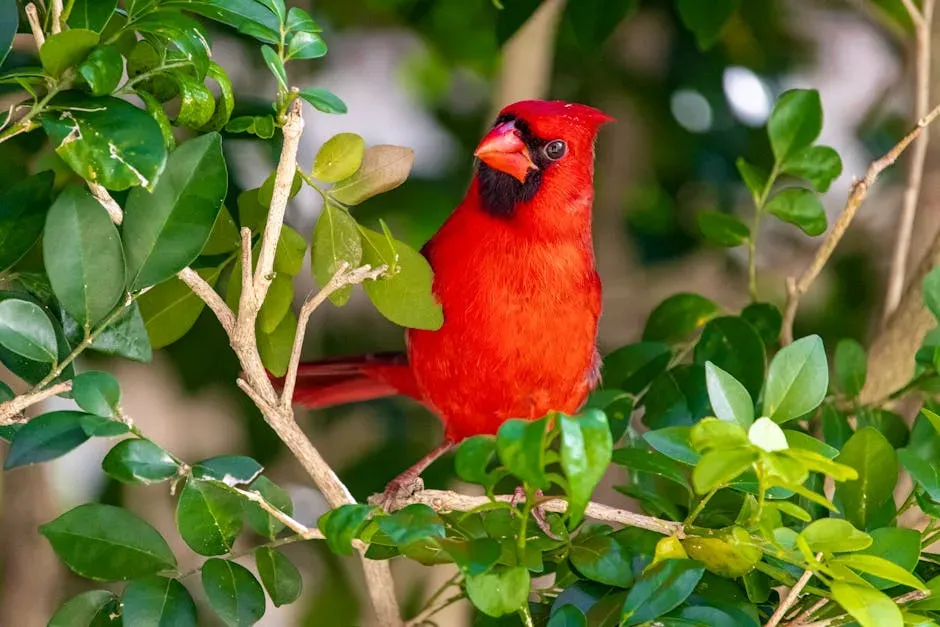
Cardinals already favor dense, sheltered vegetation. Look for Northern Cardinals in dense shrubby areas such as forest edges, overgrown fields, hedgerows, backyards, marshy thickets, and ornamental landscaping. What changes before a storm is the speed and intentionality with which they move toward that cover. Instead of foraging in the open or singing from a visible perch, they seem to disappear inward, tucking deeper into shrubs and low thickets.
This pull toward shelter is not incidental. Birds use a combination of senses to detect storms, including their ability to sense changes in barometric pressure, infrasound, electromagnetic fields, humidity, temperature, and visual cues. All of those signals, arriving at once, drive the bird toward the safest, most insulated spot it knows. Your grandparents’ rose bushes or cedar hedge suddenly becoming a cardinal hiding spot was not coincidence.
#7: They Form Small Loose Groups
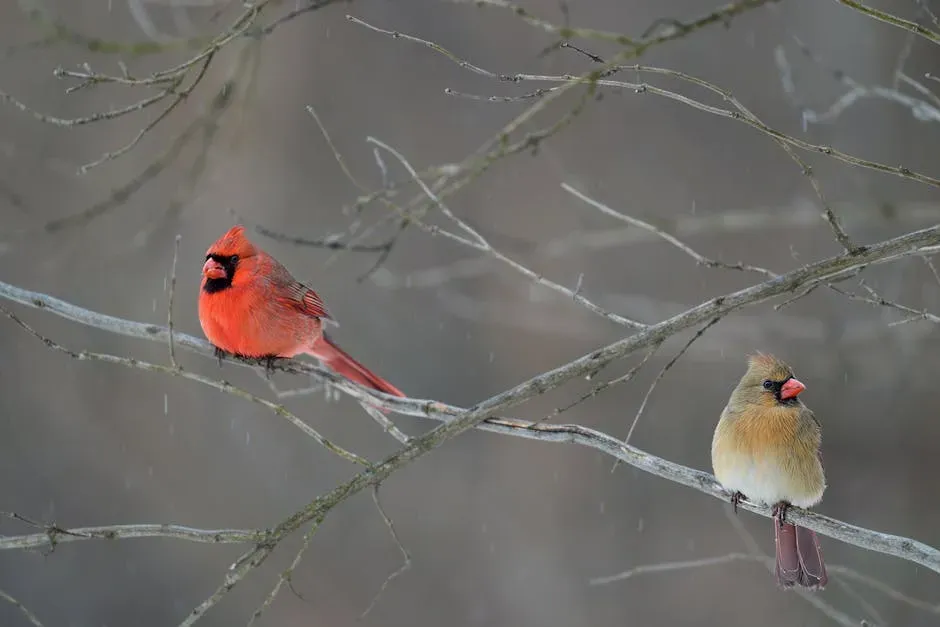
Cardinals are famously territorial and largely solitary outside of mating pairs. So when several of them appear together near the feeder or in a single shrub without squabbling, something has shifted. Cardinals typically move around in pairs during the breeding season, but in fall and winter they can form fairly large flocks of a dozen to several dozen birds. That same communal pull seems to intensify right before weather turns.
While strategically selecting optimal shelter is a fundamental individual survival tactic, Northern Cardinals also demonstrate a remarkable capacity for communal responses during challenging times. Unlike some highly gregarious species, Northern Cardinals are not typically strict flockers, and during the breeding season they are famously territorial. However, as harsh conditions approach, these vibrant red birds exhibit a fascinating behavioral adaptation: occasional flocking. Seeing several cardinals grouped together, especially outside of winter, was a sign the old-timers took seriously.
#8: They Feed From the Ground More Than Usual
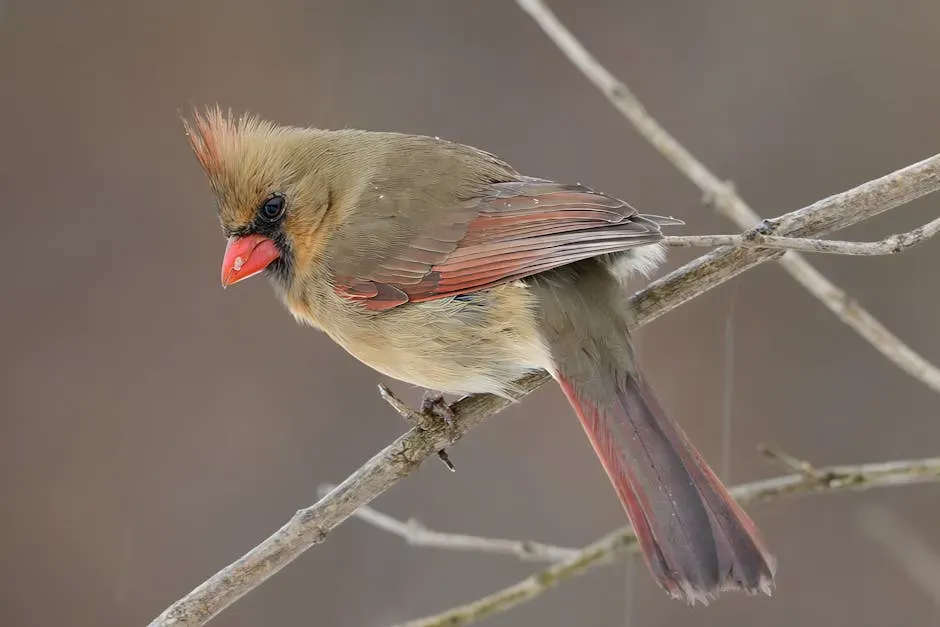
Cardinals are well-known ground foragers. Contrary to popular belief, cardinals prefer foraging on the ground rather than from elevated feeders. One study in North Carolina revealed that cardinals spent roughly three quarters of their time foraging on the ground. Before a storm, this behavior intensifies. They’ll scratch and peck more urgently and range more widely across the yard, loading up calories before the weather makes food scarce.
Laboratory study showed that declining barometric pressure stimulated food intake in birds. When the pressure drops, the body essentially signals to eat now, eat more. Cardinals respond to this signal by working the ground cover harder than on calm days. If your grandmother mentioned seeing cardinals scratching around near the garden beds well past their usual morning feeding, there’s a reasonable chance rain was on the way within hours.
#9: They Appear Earlier in the Morning Than Normal
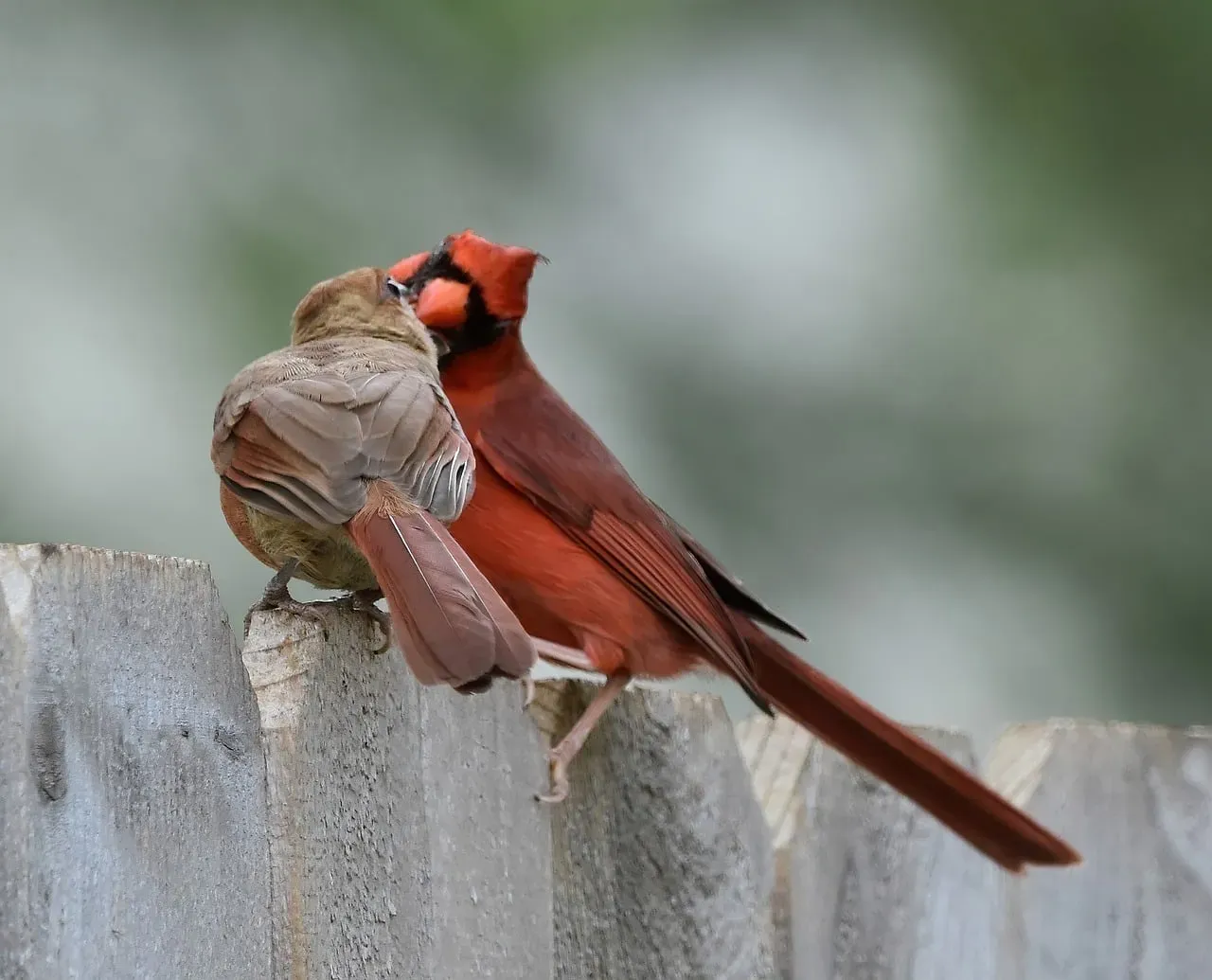
Cardinals are oftentimes the first at the feeders in the early morning and the last in the evening. That habit is already well-established. Yet before a storm, this early arrival becomes even more pronounced. Cardinals will show up before first light has fully settled, feeding in near-darkness, as if the internal clock has been pushed earlier by something they’re already sensing.
Normally, when a bird wakes up, it preens its feathers and hops around a bit before fueling up for the day. When barometric pressure was dropped in a study just before simulated dawn, as soon as the lights came on, the birds immediately started eating. That direct, skip-the-preamble rush to the food is the pre-storm shift in practice. The leisurely morning routine gets compressed into something far more purposeful.
#10: The Male Feeds the Female More Frequently
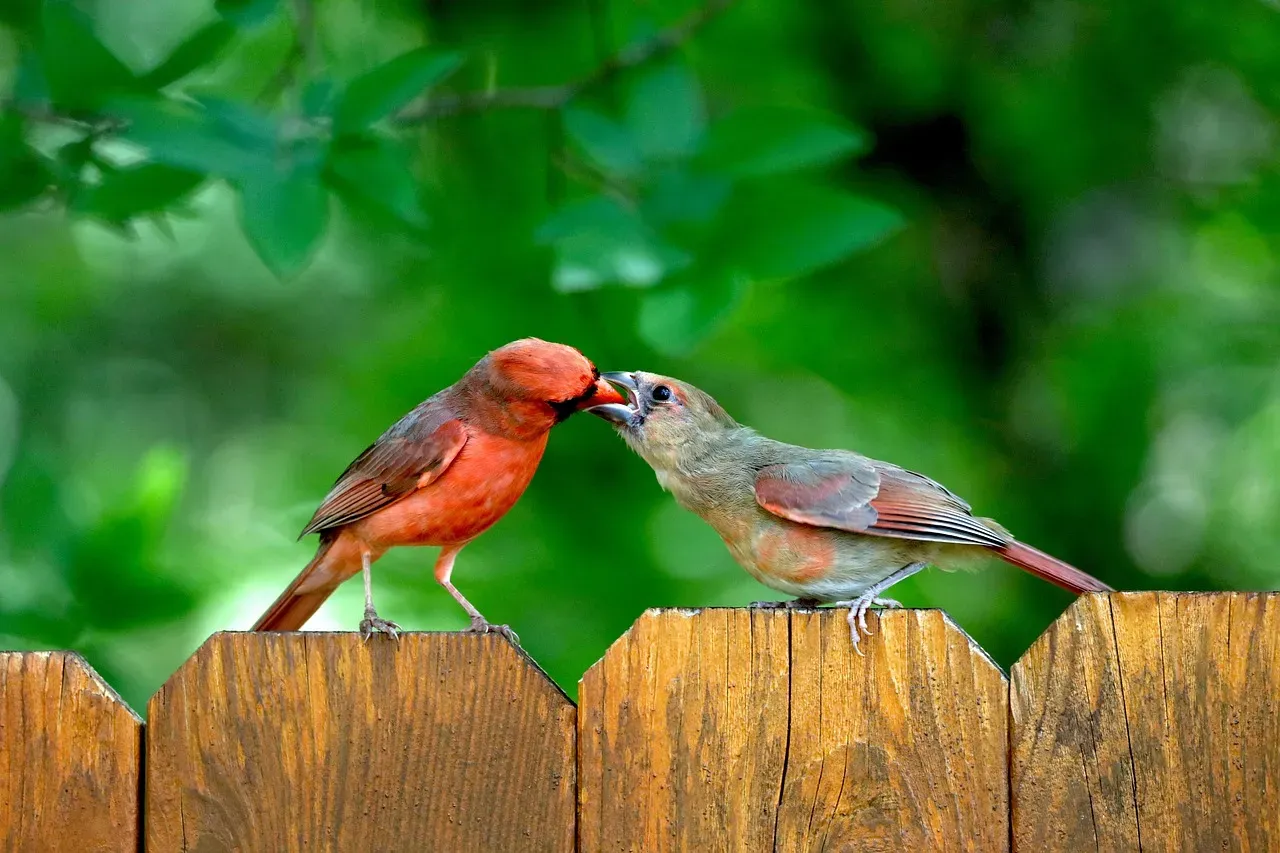
During courtship and breeding season, male cardinals famously feed their mates seed to seed. Early in the breeding season, males are often seen carefully feeding their female mates by passing seeds from his beak to hers in a kiss-like gesture. What observers sometimes notice is that this behavior picks up in frequency or reappears outside the usual season when bad weather is imminent. It reads as pair bonding under pressure – reinforcing the partnership before conditions get hard.
This behavior reflects a broader pattern in cardinals. Northern Cardinals are thought to mate for life, and the pairs stay together all year long. Before a storm, that partnership becomes visibly more active. The male checks on the female, stays closer, and offers food more often. It’s not romantic in the human sense, but it is a real and observable uptick in attentive behavior that careful watchers noticed well before ornithologists began documenting it formally.
#11: They Fluff Their Feathers Against the Calm
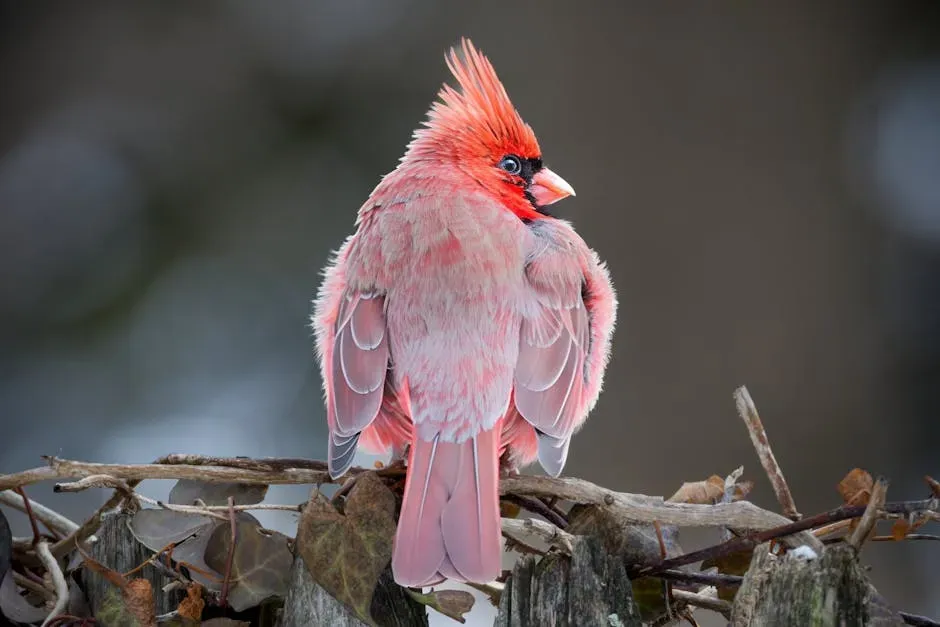
When the weather hasn’t turned yet but a cardinal is sitting there looking visibly puffed up – feathers slightly raised, body looking rounder than usual – that’s not illness. It’s thermoregulation in anticipation. During winter, cardinals will fluff up their down feathers in order to retain warm air next to their body. The same mechanism kicks in whenever temperatures are about to drop or wind is about to pick up, even before it happens.
This visible fluffing, paired with stillness and low perching, forms a kind of pre-storm posture that experienced observers learned to read like a sentence. Some research suggests that changes in barometric pressure could trigger a hormonal response in birds, particularly involving glucocorticoids. These hormones may then influence the bird’s physiology and behavior to prepare for adverse conditions. The feather-puffing you see is, in part, the visible result of that internal hormonal shift.
#12: They Go Completely Quiet Right Before It Hits
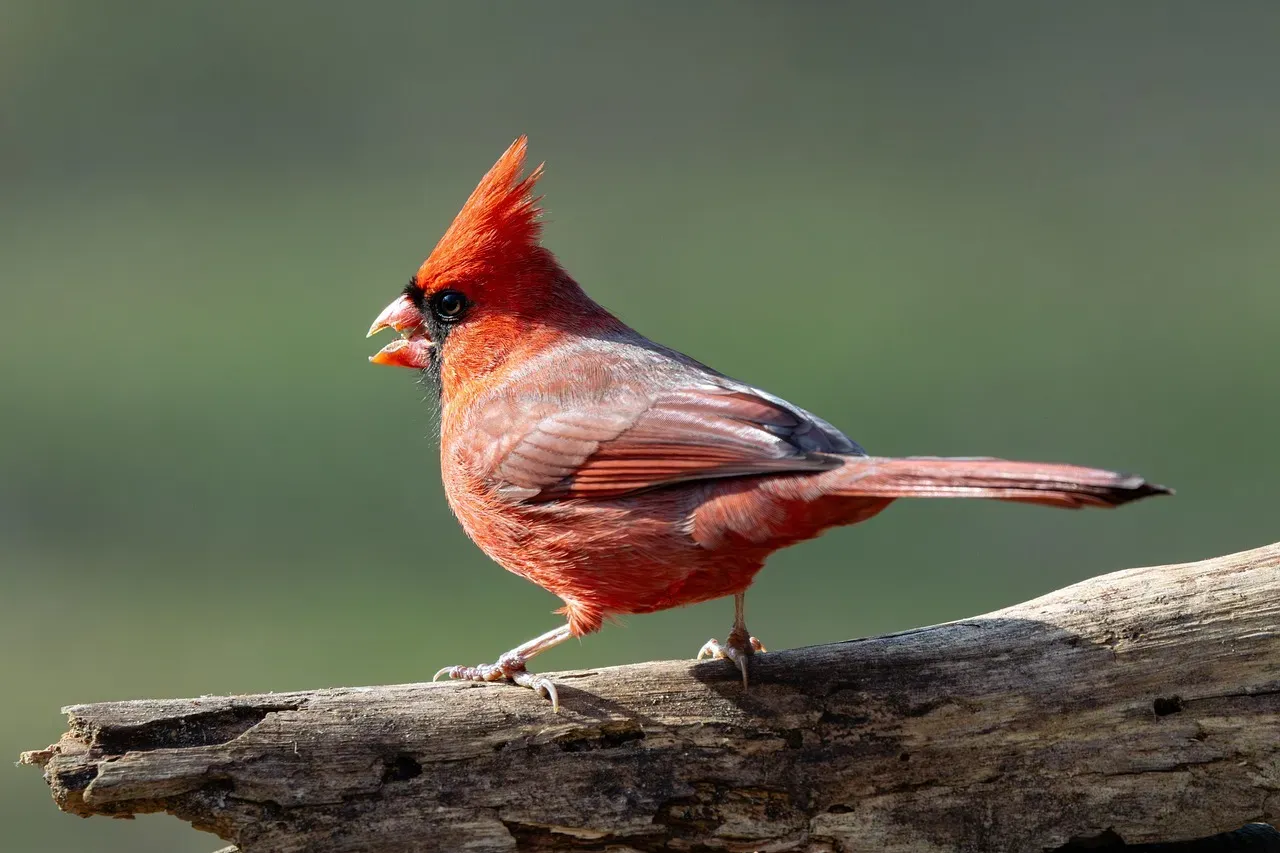
Perhaps the most striking sign of all – and the one most people remember their grandparents pointing out – is the sudden silence. One minute cardinals are calling from the hedge, and then they’re not. The yard goes quiet in a way that feels different from the ordinary afternoon lull. Birds don’t rely on just one cue. Instead, they integrate information from various environmental signals. Their behavioral response is a holistic reaction aimed at optimizing their chances of survival.
That silence is the final step. The feeding is done, the shelter is chosen, the feathers are set. Birds detect changes in barometric pressure and humidity that humans miss, and they shift behavior in response, often hours before a storm arrives. When the cardinals go quiet – truly quiet, not just elsewhere in the yard – the storm is usually close. It’s the oldest weather signal in the backyard, and it costs nothing to learn how to hear it.
What Your Grandparents Actually Understood
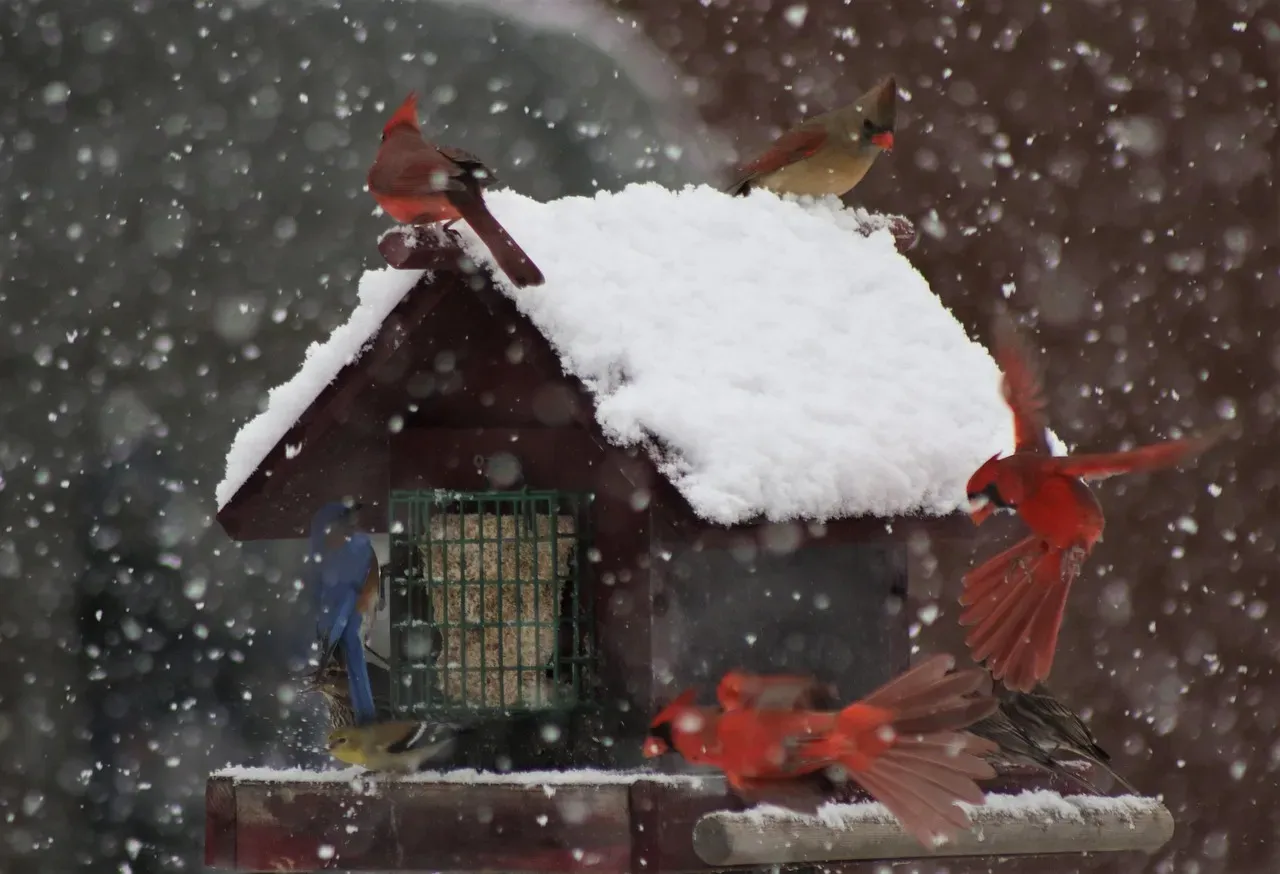
For centuries, sailors and farmers relied on observing animal behavior to predict impending storms. Among these, birds garnered particular attention. Their migratory patterns, feeding habits, and general behavior often shift dramatically before a storm arrives. This isn’t just an old wives’ tale – scientific research is increasingly uncovering the complex mechanisms that allow birds to anticipate and react to changes in the atmosphere.
The people who raised us close to the land weren’t guessing. They were paying attention – the kind of slow, patient attention that comes from spending years in one place, watching the same yard change through every season. Cardinals were bright enough to spot, common enough to observe daily, and responsive enough to weather shifts that their behavior became a reliable signal.
Science has since confirmed much of what those generations knew intuitively. Data suggests that birds can sense and respond to declining barometric pressure, and such an ability may be common in wild vertebrates, especially small ones for whom individual storms can be life-threatening events. The next time you see a cardinal feeding urgently, sitting unusually still, or vanishing into the shrubs without a sound, take a moment. The sky might be telling you something – through a bird that already knows.
Worried about unexpected vet bills?
Pet insurance can cover thousands in unexpected vet costs. Get a free quote from Lemonade in under 2 minutes.
Get My Free Quote →Sponsored · Opens Lemonade.com
