

Worried about unexpected vet bills?
Pet insurance can cover thousands in unexpected vet costs. Get a free quote from Lemonade in under 2 minutes.
Get My Free Quote →Sponsored · Opens Lemonade.com
Planning a trip and assuming any boarding facility will happily take your dog? It’s worth pausing before you make that call. Not every breed is a smooth fit for overnight kennel stays, and that’s not a reflection of how lovable or well-trained your dog is. It comes down to biology, temperament, and the real-world limits of what boarding staff can safely manage without specialized equipment or round-the-clock veterinary monitoring.
Boarding facilities may decline dogs that are ill, lack required vaccinations, or whose owners have declined preventative care recommendations, since these situations create risks for other animals in the facility. Beyond those general rules, certain breeds bring a specific set of concerns, whether respiratory, behavioral, or medical, that make an overnight stay genuinely risky. Here are twelve breeds that veterinarians and boarding professionals are most likely to hesitate over or decline outright.
French Bulldog
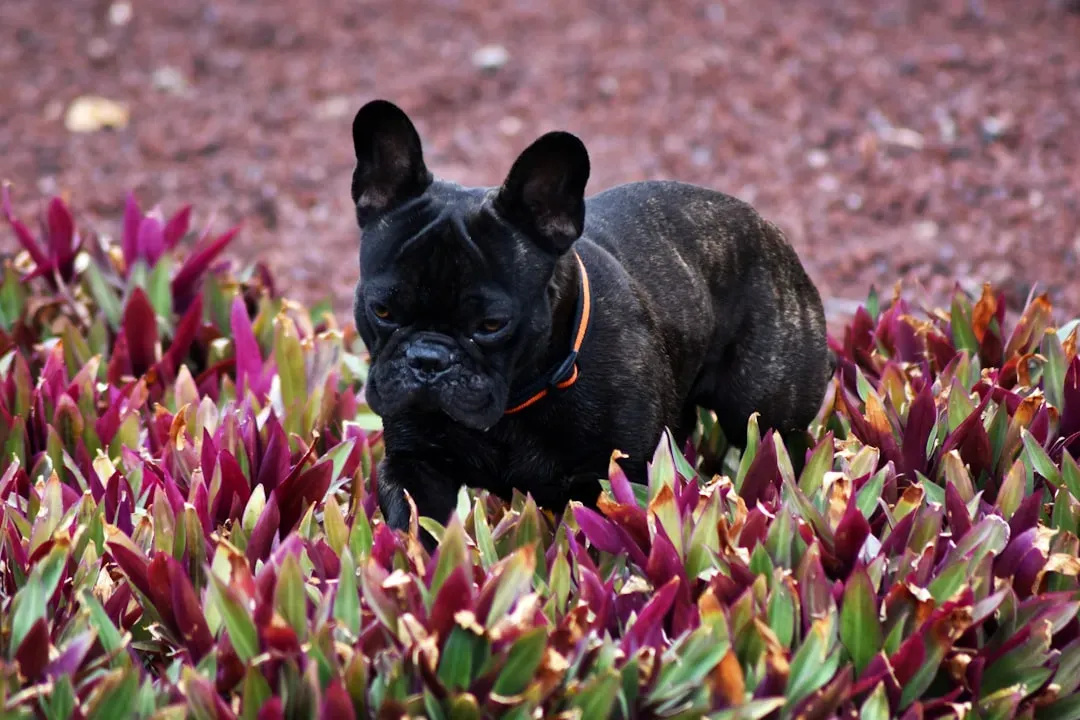
The French Bulldog is one of the most recognizable dogs on the planet, and its popularity keeps growing. French Bulldogs are the most popular breed in the U.S., yet they suffer from significant breathing issues, as evidenced by their loud snoring. That charming snore is actually a warning sign.
Due to their head conformation, brachycephalic dogs often have small nostrils, a narrow throat, and narrow airways, which can lead to respiratory issues including airway obstruction. In a boarding environment where temperature and stress levels fluctuate, this is a serious concern.
The risk of brachycephalic dogs submitting a claim for any breathing problem was found to be almost three times higher than for non-brachycephalic dogs, and French Bulldogs are more than 17 times more likely to have a claim submitted for brachycephalic obstructive airway syndrome compared to other breeds. Most boarding facilities simply aren’t equipped to monitor this overnight.
English Bulldog

English Bulldogs are unmistakable with their distinctive faces, but the excess skin on their heads can cause visual problems, and their pushed-in nose and undershot jaw with excess skin can lead to labored breathing, especially in hot or humid weather. A warm kennel environment raises the risk considerably.
Bulldogs can also develop entropion, skin disease, aortic or pulmonic stenosis, patella luxation, and tail fold infections, making them one of the most medically complex breeds to oversee without veterinary staff present through the night.
Brachycephalic dogs are less able to cool down with panting, so they are more sensitive to overheating during exercise, hot weather, or humid conditions. That inability to self-regulate temperature is one of the clearest reasons boarding facilities are cautious with this breed.
Pug

The Pug is a much-loved breed with a playful, affectionate temperament, but these small dogs are susceptible to health issues due to their brachycephalic appearance. Even if their wrinkly, short muzzles add to their cuteness, pugs are likely to suffer from issues including brachycephalic obstructive airway syndrome and eye bulging. Their life expectancy is below the average for dogs, and they are more prone to obesity than most breeds.
A survey by the Royal Veterinary College found that the majority of short-nosed dog owners did not recognize the signs that their brachycephalic dog was struggling to breathe. If owners themselves miss these signs, it’s understandable that boarding staff without medical training might too.
Overnight supervision of a Pug requires someone who knows what abnormal breathing actually looks like for this breed. That level of vigilance is difficult to guarantee in a standard kennel setting once the lights go out.
Chow Chow
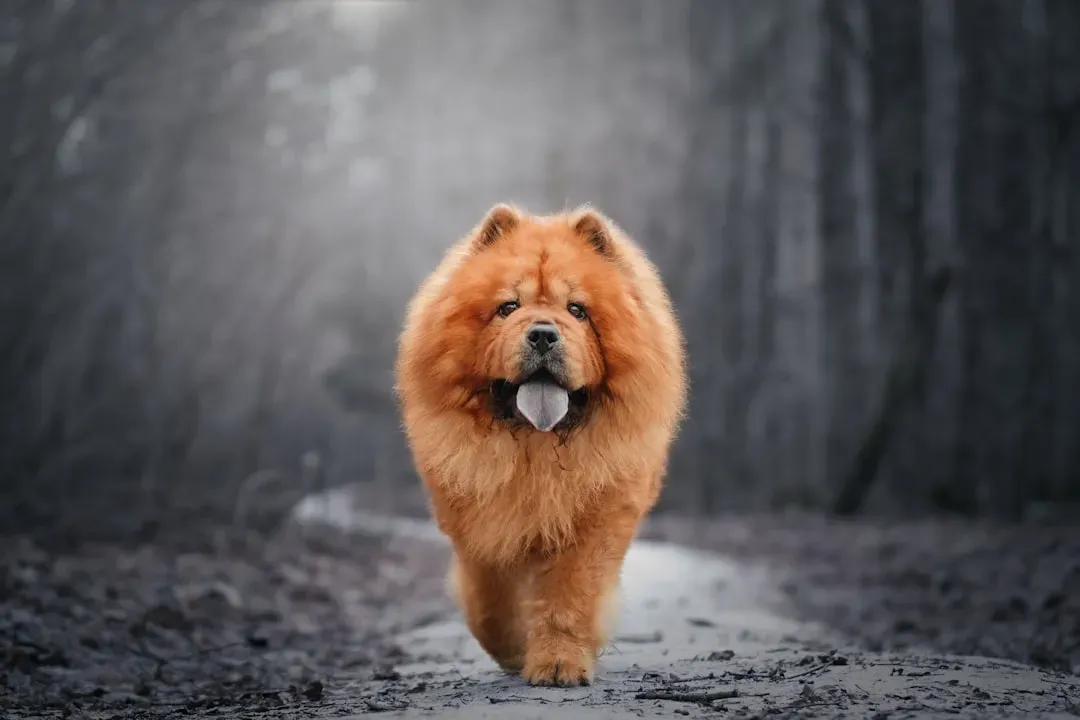
Chow Chows are an ancient breed known for their independence and aloofness, especially around strangers. Originally bred for guarding, this breed has a strong protective instinct, making them cautious around unfamiliar faces. Put that temperament in a noisy kennel surrounded by strangers and other dogs, and the situation can escalate quickly.
The American Kennel Club notes that Chow Chows lean more toward being watchdogs that prefer to be on their own versus being with other dogs. Boarding environments are built around proximity and shared space, which is the exact opposite of what this breed prefers.
Chow Chows carry a cat-like mindset, value autonomy, dislike rough handling, and can react poorly to pushy greetings. Grooming sensitivities and handling intolerance are common if not addressed early. Kennel staff approaching an anxious Chow Chow overnight is a situation most facilities would rather avoid entirely.
Belgian Malinois
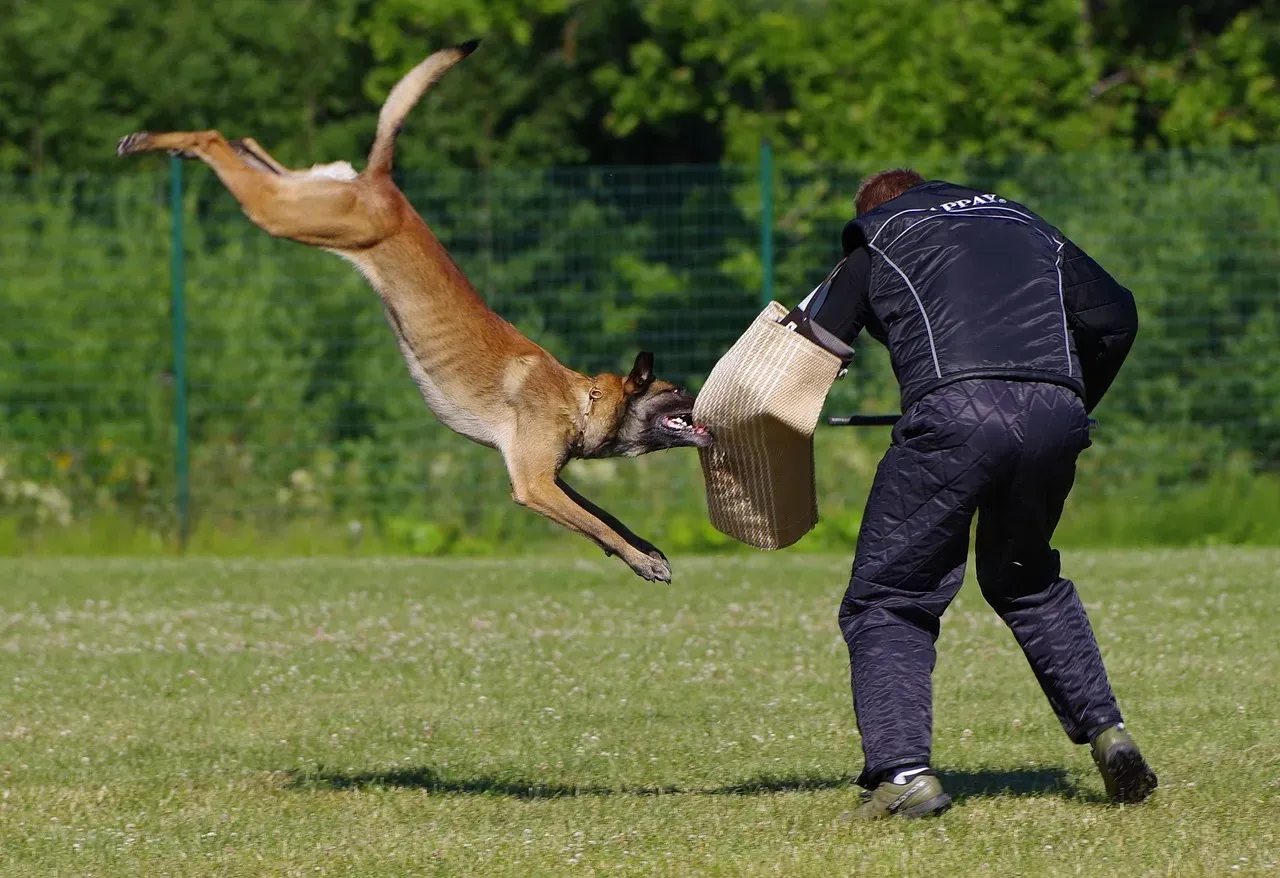
The Belgian Malinois is a working powerhouse built for speed, drive, and precision. Without structured training and daily mental work, that intensity quickly spills into destructive habits. A boarding kennel offers neither the structure nor the stimulation this breed needs.
The Belgian Malinois requires constant mental and physical stimulation, which means if left to their own devices, they will become restless and destructive. Experienced and active owners are required for this breed to truly shine. Overnight boarding essentially creates all the conditions that push this breed toward its worst behaviors.
The Belgian Malinois is an intelligent and energetic breed that can be reserved around strangers. Originally bred as a working dog, the Malinois has a strong protective instinct, which can make it more cautious when encountering unfamiliar people. While they are typically friendly with their families, they may act as natural guard dogs around new faces.
Akita
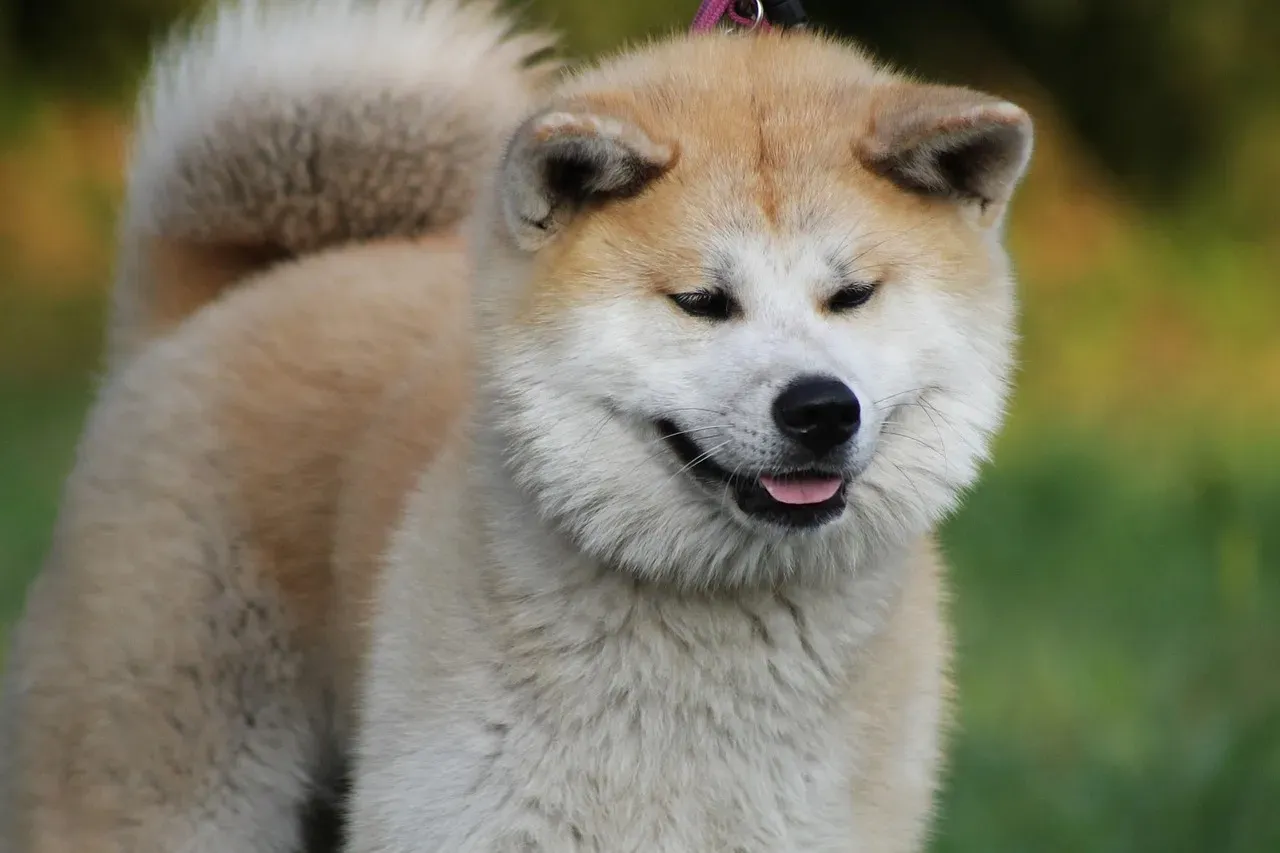
Akitas are loyal, protective, and deeply bonded to their families, but they can be aloof or even aggressive toward unfamiliar dogs. Their strong guarding instincts often make them happiest as the sole canine companion. A kennel full of barking dogs is a genuinely stressful environment for this breed.
The Akita is dignified, watchful, and famously loyal, but that loyalty can narrow into aloofness with strangers. Natural guarding instincts and same-sex aggression require careful socialization. Novice owners may misread quiet confidence as obedience when it is really independent decision-making.
Boarding staff working overnight with limited backup are placed in a difficult position if an Akita becomes reactive. It’s not a risk most facilities are willing to absorb.
Chinese Shar-Pei

The Shar-Pei is known for its rolled skin folds throughout its face and body. While understandably appealing, similar to the French Bulldog, these folds are prone to infections and, due to their snouts, these dogs are known to get allergies. Managing those folds requires daily, attentive care that a boarding kennel isn’t set up to provide around the clock.
Shar-Peis are known for their distinct wrinkled faces and calm demeanor, but they can be suspicious of strangers. Their natural protectiveness and strong loyalty to their families can cause them to be wary of unfamiliar people, especially if they feel their loved ones are in danger. While they may not show aggression, Shar-Peis are more likely to observe new faces from a distance and only approach when they feel comfortable.
Their beautiful and unique skin folds can create health challenges including chronic skin conditions. In a kennel setting where those folds can trap moisture and bacteria without regular checks, skin issues can worsen rapidly and go unnoticed overnight.
Weimaraner

Weimaraners are described as velcro athletes with a strong prey drive and anxious streaks. Separation issues are common, leading to clawed doors and shredded crates if needs go unmet. Any breed that responds to separation with destructive panic presents a real safety risk in a boarding environment.
Without proper preparation, expect howling, pacing, and desperate escape attempts as anxiety spikes. These behaviors don’t just stress the dog. They can disturb an entire kennel wing and create injury risks for the animal and anyone trying to intervene.
Weimaraners are smart and full of energy. They need lots of exercise and mental stimulation to stay happy, and without enough activity, they can become destructive. One overnight stay without adequate exercise or stimulation is essentially a recipe for chaos in a kennel setting.
Cavalier King Charles Spaniel

Mitral valve disease is very common in dogs, but it is especially prevalent in Cavaliers. They are more likely to develop it at younger ages and with higher severity than other breeds, and there aren’t that many strong treatment options for dogs with the disease. A dog with an undetected or advancing heart condition boarding overnight without monitoring is a concern any vet would take seriously.
In 2023, the Norwegian Supreme Court ruled that breeding Cavalier King Charles Spaniels violated the country’s animal welfare law, a stark illustration of how serious the health concerns surrounding this breed are taken internationally.
The Cavalier is affectionate and relatively easy-going by temperament. The hesitation isn’t behavioral. It’s the breed’s high likelihood of carrying hidden cardiac or neurological issues that could require urgent attention in the middle of the night.
Siberian Husky
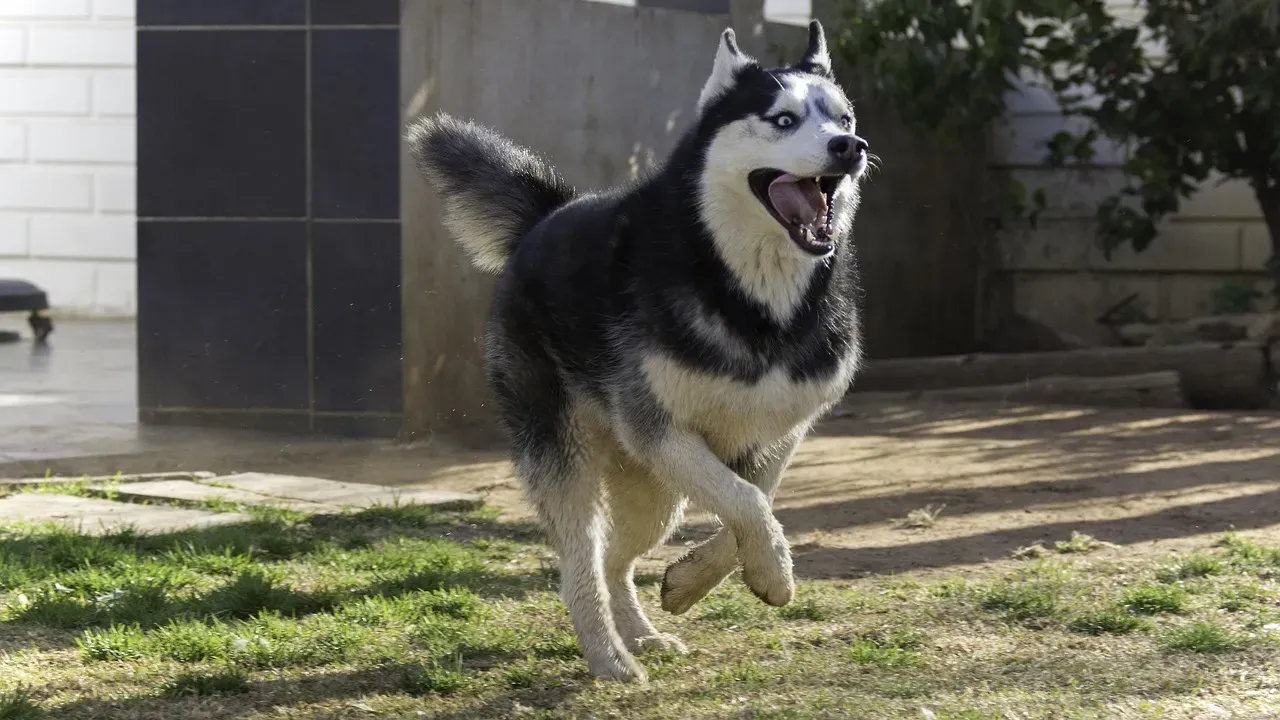
Siberian Huskies are known for their love of running and independence, and they may not respond well to confinement or unfamiliar handling. Their strong prey drive and vocal nature make them one of the more disruptive dogs in a shared boarding environment.
Huskies are escape artists by nature. They were bred to run long distances, and a kennel crate represents everything their instincts work against. Staff returning in the morning to a Husky that has dismantled its enclosure and stressed out every neighboring dog is not an unusual story at boarding facilities.
Their vocalizations, including howling that can carry through an entire facility at night, also make them unpopular guests. Combined with a strong independent streak that makes them unresponsive to corrections from unfamiliar handlers, many boarding facilities will decline them outright.
Dalmatian
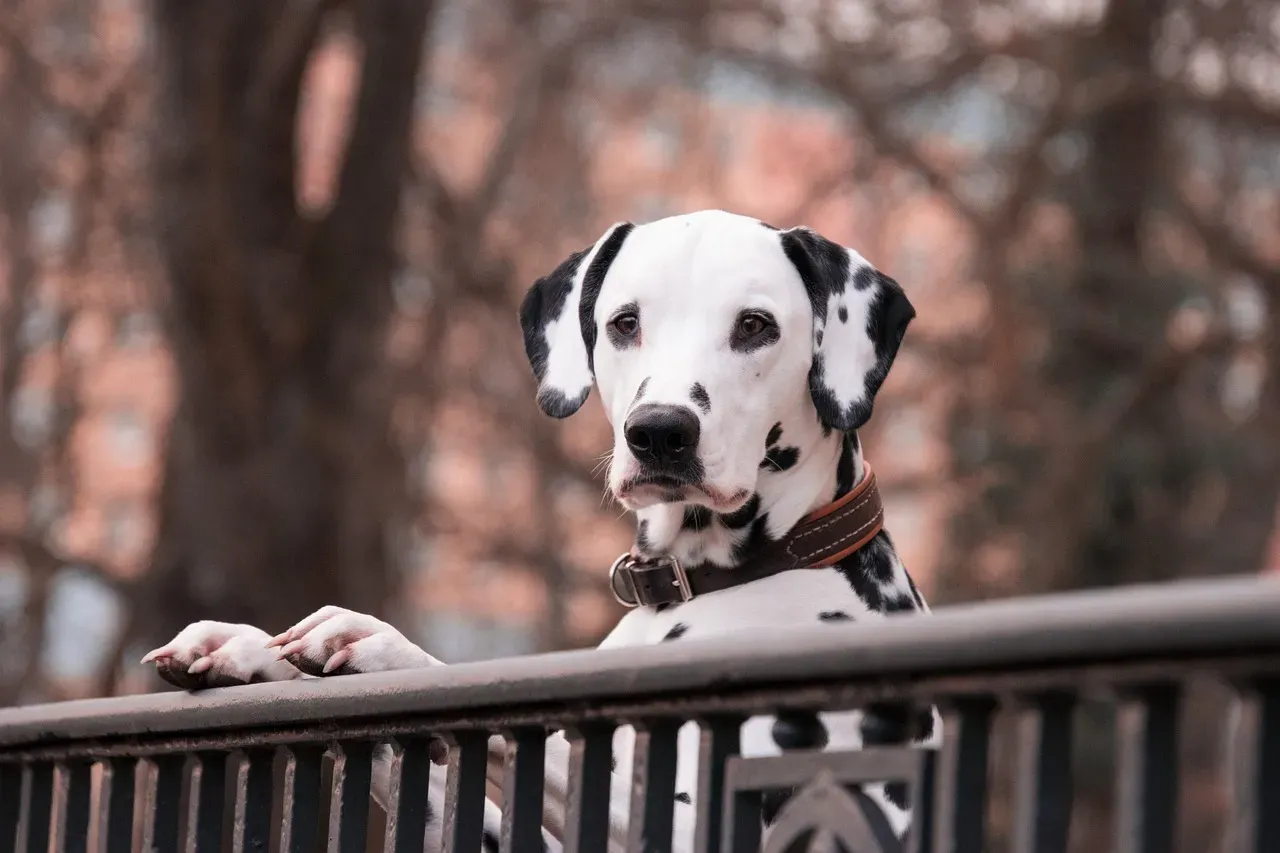
Dalmatians are energetic, smart, and sometimes prickly about handling. Without structure, they can become jumpy and may mouth or guard resources. They also face dietary sensitivities and potential urate stone risks, demanding thoughtful care. That specific dietary need alone is a complication most standard kennel setups can’t reliably accommodate.
Dalmatians are known for their lively nature, but they have a lot of energy and need plenty of exercise and mental stimulation. Without proper outlets, they can become hyperactive and may engage in destructive behavior.
Kennels that house Dalmatians overnight often find them wound up, reactive, and difficult to settle. Their known sensitivity to handling from people they don’t know adds an additional layer of challenge for any boarding staff trying to manage them at night.
Border Collie
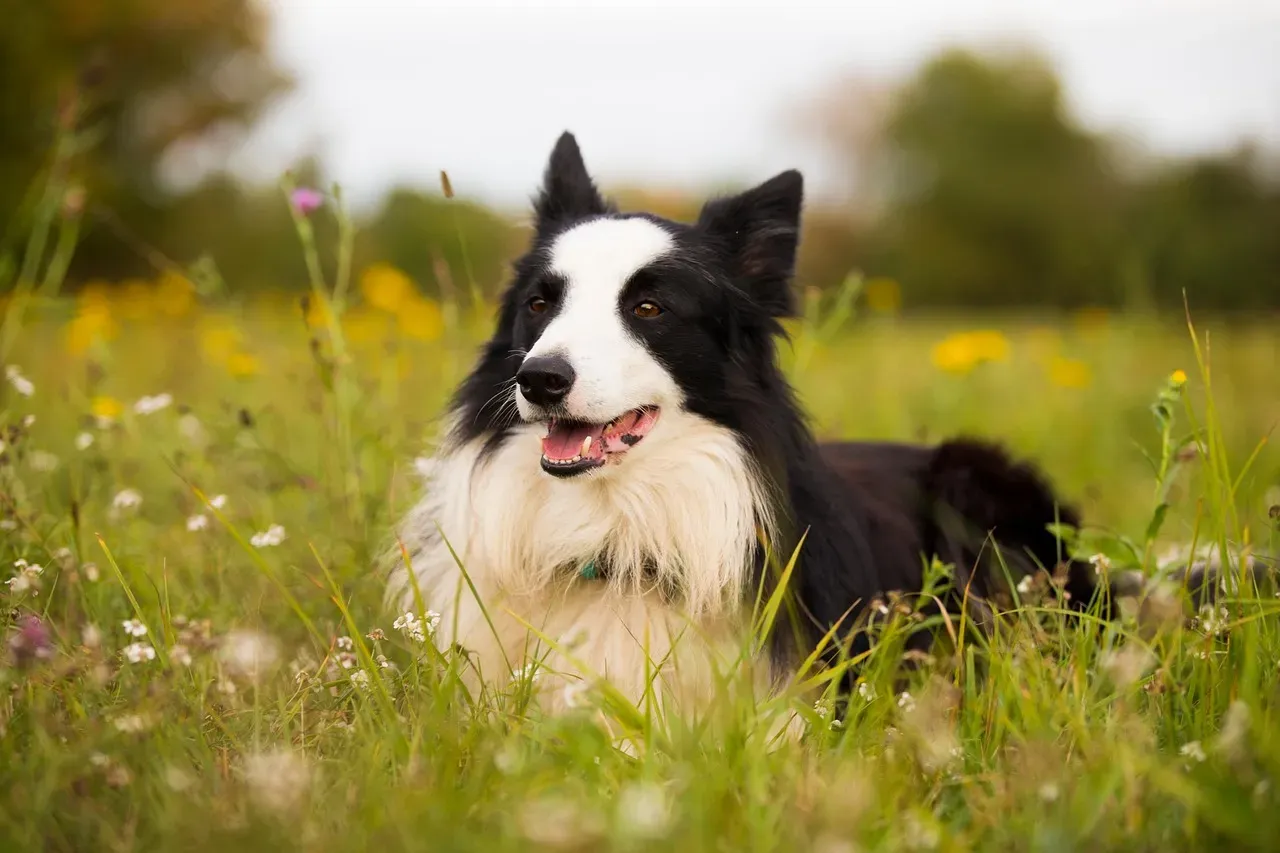
Border Collies are geniuses with a job description wired into their DNA. Their herding instincts can become fixations on kids, bikes, or even shadows if they are not properly channeled. Boredom triggers neurotic patterns like spinning, pacing, or obsessive staring. A quiet overnight kennel, by Border Collie standards, is a form of sensory deprivation.
This breed doesn’t do idle. Their minds need constant engagement, and the absence of mental stimulation in a boarding setting tends to produce anxiety-driven behaviors within hours. By the time morning arrives, a bored Border Collie may have stressed itself into a physical state that’s difficult to reverse quickly.
Boarding facilities that have taken Border Collies in good faith have reported obsessive fence-running, self-destructive behaviors, and the kind of persistent vocal stress that carries into neighboring kennels. It’s a hard breed to place overnight, regardless of how well-trained the individual dog is at home.
What This Means for Dog Owners
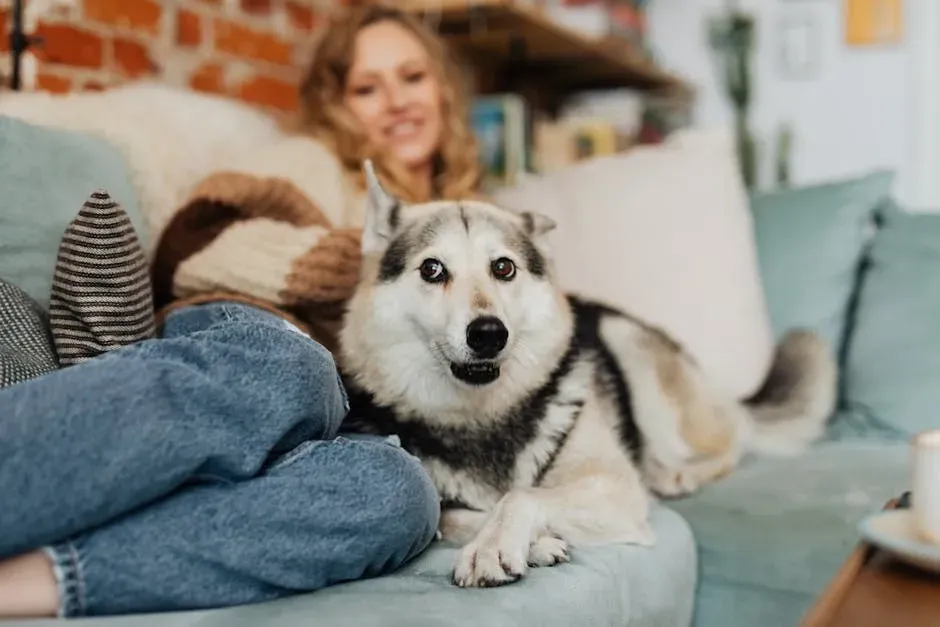
If your dog’s breed appears on this list, the takeaway isn’t that your pet is unmanageable. It means the standard boarding model may not be the right fit. In-home pet sitting, dog walking, and pet boarding in private homes can provide a more personalized, comfortable, and stress-free experience for pets. Alternative care options can provide a range of benefits, including reduced stress, increased comfort, and improved health. In-home pet sitting allows pets to remain in their familiar environment, which can reduce anxiety and stress.
Including veterinary contact information and emergency instructions, exploring medical boarding, or options that include access to vet technicians, and looking into special needs pet boarding are all practical alternatives for dogs with complex care requirements. Specialized pet sitters with breed-specific experience are increasingly available and are often the better solution for dogs with medical or behavioral complexity.
The best thing any owner can do is have an honest conversation with their vet well before travel plans are made. Owners with brachycephalic dogs should pay extra attention to their animals in the heat, during exercise, and while obtaining veterinary care. That same attentiveness applies equally when choosing who watches your dog overnight.
Knowing your dog’s specific needs is not a disadvantage. It’s the starting point for making choices that keep them safe, settled, and well cared for whenever you’re not there to do it yourself.
Worried about unexpected vet bills?
Pet insurance can cover thousands in unexpected vet costs. Get a free quote from Lemonade in under 2 minutes.
Get My Free Quote →Sponsored · Opens Lemonade.com

- The Ocean’s Deepest Creatures Hold Surprising Secrets to Longevity - June 10, 2026
- 6 Scents That Make Mosquitoes Target You First - June 10, 2026
- The Forgotten Deserts of America Where Wildlife Still Thrives - June 10, 2026